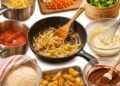
Ever started cooking only to realise the garlic is still unpeeled, the onions aren’t chopped, and something is burning in the pan? There’s a better way.
Picture this: you’re making a stir-fry. The oil is hot, the onions are sizzling, and the recipe suddenly asks you to add minced garlic, sliced peppers, and a sauce you haven’t mixed yet.
You rush to the cutting board, grab a knife, and start chopping. Meanwhile, the onions turn darker than you intended. By the time everything is ready, dinner feels more like a race against the clock.
This is exactly the problem that mise en place solves.
It’s one of the first habits taught in professional kitchens, and it can make home cooking noticeably easier. The best part? You don’t need professional equipment or years of experience to use it.
What Is Mise en Place?
Mise en place (pronounced meez ahn plahs) is a French culinary expression meaning “everything in its place.”
In cooking, it refers to preparing and organising your ingredients, equipment, and workspace before you begin.
That might mean chopping onions, measuring spices, washing vegetables, preparing a sauce, and placing the right pan on the stove.
The idea is simple: do the preparation before the cooking demands your attention.
Professional kitchens rely on mise en place because cooks often prepare several dishes simultaneously. Having everything ready allows them to work efficiently without constantly stopping to find ingredients.
At home, the same principle helps you follow recipes more comfortably and avoid unnecessary mistakes.
Why Mise en Place Makes Cooking Easier
Cooking involves more than following instructions. You’re managing heat, timing, ingredients, and several small decisions at once.
When your ingredients are prepared beforehand, you can concentrate on what’s happening in the pan.
This is particularly useful for fast-cooking dishes such as stir-fries, where a delay of even a minute can change the result.
Mise en place also helps you notice missing ingredients before it’s too late. Discovering that you’ve run out of cumin is much less frustrating before you start cooking than halfway through preparing a curry.
And because everything has a designated place, your kitchen stays more organised throughout the process.
How to Practise Mise en Place at Home
You don’t need a collection of tiny glass bowls to get started. A cutting board, a few plates, and some small containers are usually enough.
Step 1: Read the Entire Recipe
Before touching your ingredients, read the recipe from beginning to end.
Check the cooking times, temperatures, and instructions. Notice which ingredients are added together and which need separate preparation.
For example, if a recipe asks for garlic near the end of sautéing, you should have it minced before the onions go into the pan.
Reading ahead helps you understand the sequence rather than discovering each step while cooking.
Step 2: Gather Your Ingredients
Take out everything the recipe requires.
Check that you have enough oil, vegetables, spices, herbs, and other ingredients.
This is also a good time to check whether anything needs thawing, soaking, or marinating.
Keep perishable ingredients refrigerated until they’re needed, especially when preparation will take a while.
Step 3: Wash, Peel, and Cut
Prepare your vegetables according to the recipe.
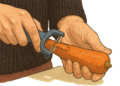
Dice the onions, mince the garlic, slice the peppers, and chop the herbs.
Try to keep similar ingredients together, especially when they’re added to the pan at the same time.
Use separate equipment for raw meat and ready-to-eat ingredients, or wash and sanitise your tools appropriately between tasks.
Step 4: Measure Spices and Liquids
Measure the spices, oils, and other ingredients you’ll need.
If several spices are added together, you can combine them in one small bowl.
For a stir-fry, mixing soy sauce, vinegar, sugar, and other sauce ingredients beforehand saves time when the pan is hot.
You don’t need a separate container for every ingredient. Grouping ingredients by cooking stage is often more practical.
Step 5: Arrange Your Workspace
Place your prepared ingredients near the cooking area in the order you’ll use them.
Keep frequently used utensils within reach, and make sure your pans are clean and ready.
Clear away vegetable scraps, empty packaging, and unnecessary equipment.
Your workspace should feel organised rather than crowded.
A Real Example: Mise en Place for Vegetable Fried Rice
Let’s say you’re making vegetable fried rice for dinner.
Without preparation, you might find yourself chopping carrots while the garlic cooks, searching for soy sauce while the vegetables soften, or realising too late that the rice is still warm and sticky.
With mise en place, your preparation looks something like this:
| Ingredient | Preparation |
|---|---|
| Cooked rice | Chilled and loosened |
| Carrots | Finely diced |
| Bell peppers | Diced |
| Spring onions | Sliced |
| Garlic | Minced |
| Soy sauce | Measured |
| Cooking oil | Ready beside the stove |
Once everything is prepared, you can heat the pan and concentrate on cooking.
The vegetables go in at the right moment, the rice is ready when needed, and the sauce can be added without interrupting the process.
For food safety, cool cooked rice promptly, refrigerate it within two hours, and keep it chilled until cooking. Reheat it thoroughly.
Does Mise en Place Mean Preparing Everything in Advance?
Not necessarily.
One common misunderstanding is that every ingredient must be chopped, measured, and placed in a separate bowl before cooking begins.
Professional cooks often work that way because their kitchens operate at high speed. But home cooking allows more flexibility.
If you’re preparing a slow-cooked stew, you might chop the vegetables while the meat browns, provided you have enough time and can work safely.
For a quick stir-fry, however, preparing everything first is usually the better approach.
The goal is to anticipate what you’ll need, not create extra washing up.
Common Mise en Place Mistakes
The first mistake is skipping the recipe-reading stage. Even neatly arranged ingredients won’t help if you discover halfway through cooking that something needs an hour of marinating.
Another is using too many bowls. You can often place ingredients that enter the pan together on the same plate.
Preparing delicate ingredients too early can also affect quality. Cut apples may brown, herbs can wilt, and some vegetables lose moisture after slicing.
Finally, avoid leaving raw meat, seafood, dairy, or other perishable foods at room temperature for extended periods. Organise your preparation so these ingredients remain refrigerated until needed.
How to Make Mise en Place a Daily Habit
Start small.
Before cooking your next meal, spend five minutes reading the recipe, gathering ingredients, and identifying which tasks need to happen first.
Prepare the ingredients that require the most attention, then arrange them in a convenient order.
As you become more familiar with the process, you’ll begin doing it almost automatically.
You’ll know when to chop vegetables, when to heat the pan, and which ingredients can wait until later.
Over time, this habit can make even unfamiliar recipes feel more manageable.
Better Cooking Begins Before the Heat
Mise en place is one of those cooking techniques that sounds more complicated than it really is.
At its heart, it’s simply about being prepared.
You don’t need matching bowls, an enormous kitchen, or a perfectly organised countertop. You need a clear idea of what you’re cooking and what should be ready before you begin.
The next time you make dinner, try preparing your ingredients before turning on the stove.
You may find that the most useful improvement to your cooking happens before anything reaches the pan.