A wedge of Mahón cheese has a way of waking up your palate. Its ivory interior feels smooth and slightly springy, while the first bite brings a clean saltiness followed by buttery, tangy notes. As the cheese ages, those flavours become deeper, sharper, and more complex.
Made on the island of Menorca, Mahón is one of Spain’s best-known cow’s milk cheeses. Its story is closely tied to the island’s farms, breezy coastline, and long cheesemaking tradition. Even its distinctive orange-brown rind tells you that this is no ordinary cheese.
A Cheese From Menorca
Mahón cheese, also called Mahón-Menorca, comes from Menorca in Spain’s Balearic Islands. Dairy farming has been part of the island’s rural life for centuries, and local cheesemakers developed a style that makes excellent use of the rich cow’s milk produced there.
The cheese takes its name from Maó, the island’s capital and one of its historic trading ports. From there, the cheese travelled beyond Menorca, helping give the island an important place in Spain’s cheese traditions.
Today, Mahón-Menorca carries Protected Designation of Origin status. This protects the cheese’s connection with Menorca and sets rules for its production, ageing, and ingredients.
What Makes Mahón Different?
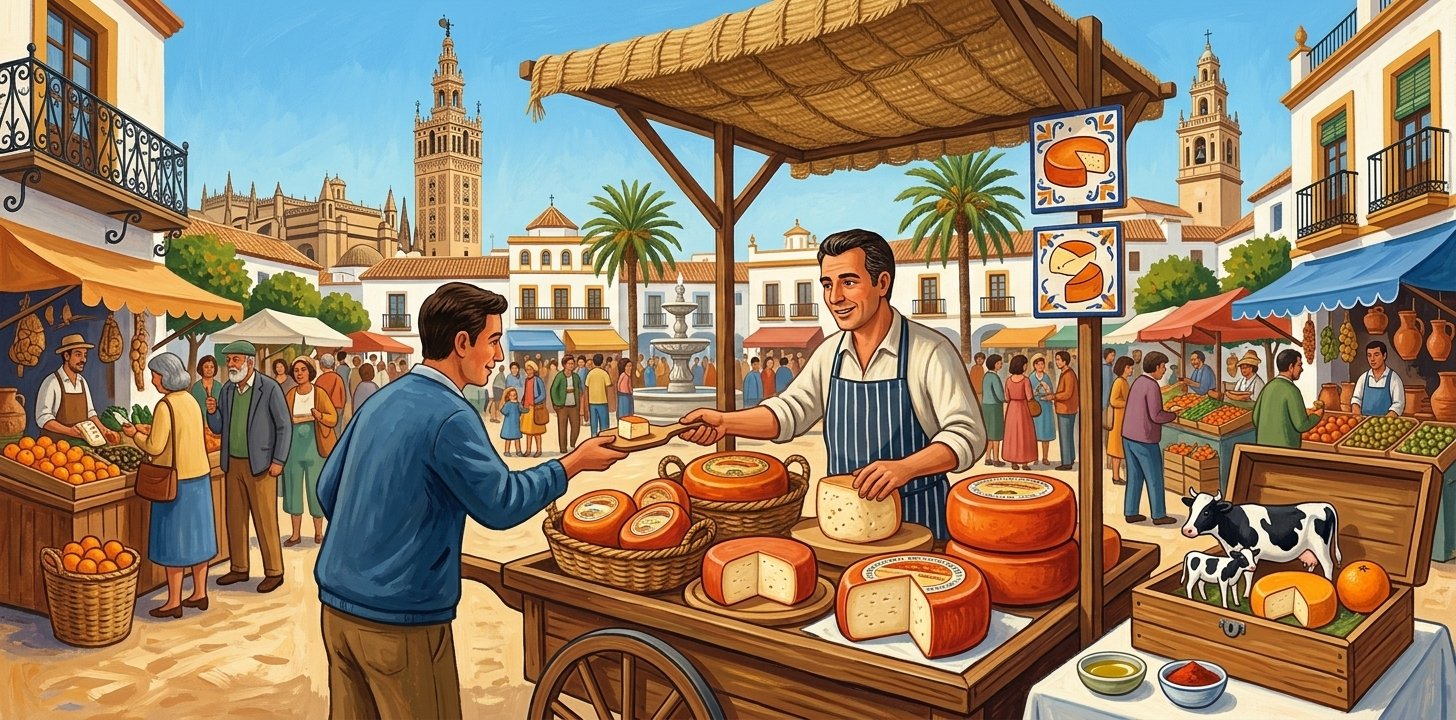
Traditional Mahón cheese uses cow’s milk and comes in a distinctive square shape with rounded corners. Its rind develops a characteristic orange or reddish-brown colour as it ages.
That shape comes from the traditional moulds used during production. Cheesemakers press the curds into cloth before shaping and ageing the cheese. The result is a cheese that looks simple but has a very recognisable appearance.
The rind also receives regular attention during ageing. Cheesemakers rub the surface with olive oil, which helps develop its colour and adds another subtle layer to the cheese’s character.
From Mild to Bold
Not every piece of Mahón-Menorca cheese tastes the same. Its flavour changes noticeably with age, so the label can tell you a lot about what you are about to taste.
Young Mahón is soft, mild, and creamy, with a gentle milky flavour. It makes an easy addition to sandwiches or a simple cheese board.
As it ages, the cheese becomes firmer and more crumbly. The flavour develops a stronger salty tang along with nutty, buttery notes. A well-aged Mahón can also have a pleasantly sharp finish that lingers after each bite.
Why Is It So Salty?
The salty character is one of the first things you notice with Mahón cheese, and traditional production plays a big role. The cheese goes through a brining stage, which gives it some of its characteristic saltiness while helping develop the rind.
However, the salt does not tell the whole story. Underneath it, you can still taste the richness of the cow’s milk and the subtle sweetness that comes with ageing.
That balance makes Mahón particularly enjoyable. The salt wakes up the palate, while the creamy texture keeps the flavour rounded rather than harsh.
How to Serve Mahón
You do not need much to make Mahón cheese shine. Cut a few thin slices and serve them with crusty bread, olives, almonds, or fresh fruit.
For something distinctly Spanish, try it with membrillo, the sweet quince paste often served with cheese. The contrast between the salty, tangy Mahón and the concentrated sweetness of quince works beautifully.
You can also use younger Mahón in cooking. It melts nicely, making it useful for toast, sandwiches, omelettes, and baked dishes. Older versions deserve to be enjoyed more simply, where their stronger flavour and firmer texture can take centre stage.
A Taste of Menorca
There is a certain sense of place in Mahón-Menorca. The cheese comes from an island where dairy farming, Mediterranean ingredients, and traditional foodways have developed side by side for generations.
Its salty bite, creamy interior, and orange-brown rind make it easy to recognise. More importantly, its changing character gives you a reason to try it at different ages.
Start with a young wedge for something mild and creamy. Then try an aged piece and notice how the same cheese can become firmer, sharper, and much more intense.
That is the charm of Mahón. One island, one cheese, and plenty of flavour waiting inside every slice.