Learn how to build an authentic Italian antipasto board with regional cheeses, cured meats, fresh produce, and simple accompaniments that celebrate the spirit of Italian hospitality.
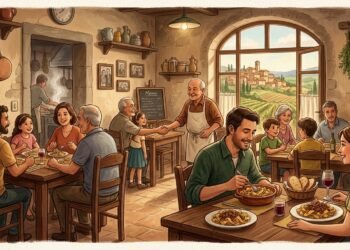
The first time I was invited to an Italian family gathering, I expected the main course to be the highlight of the meal. Instead, everyone gathered around a beautifully arranged wooden Antipasto Board filled with cheeses, cured meats, olives, roasted vegetables, fresh bread, and seasonal fruit. Conversations flowed naturally as people helped themselves, shared stories, and enjoyed small bites before dinner.
That evening taught me that an Italian antipasto board is much more than a collection of appetizers. It is a tradition of welcoming guests, encouraging conversation, and celebrating the incredible variety of regional Italian ingredients. Every board tells a story about local flavors, craftsmanship, and the joy of sharing food.
What Is an Italian Antipasto Board?
An Italian antipasto board is an assortment of cured meats, cheeses, vegetables, bread, and other small bites served before the main meal. The word antipasto means “before the meal,” and its purpose is to awaken the appetite while bringing people together around the table.
Unlike elaborate appetizer platters that rely on heavy preparation, an antipasto board focuses on high-quality ingredients arranged beautifully. Every element complements the others, creating a balance of flavors, textures, and colors.
Today, antipasto boards are popular not only in Italy but also around the world for family dinners, celebrations, and casual entertaining.
The History of Antipasto
The tradition of serving appetizers dates back to ancient Rome, where meals often began with small portions of olives, cured meats, cheeses, and vegetables.
Over the centuries, each Italian region developed its own version based on local ingredients. Northern Italy favored rich cheeses and delicate cured meats, while southern regions incorporated spicy salami, marinated vegetables, and fresh cheeses.
Today, antipasto remains one of the most cherished parts of Italian dining because it encourages guests to relax, share food, and enjoy each other’s company before the main course arrives.
Start with Italian Cured Meats
A traditional antipasto board usually includes two to four types of cured meats.
Popular choices include:
- Prosciutto di Parma
- Coppa
- Mortadella
- Salame Milano
- Bresaola
- Pancetta
- Soppressata
- ‘Nduja (served separately as a spread)
Arrange thin slices loosely rather than stacking them flat. This makes them easier to pick up and creates an inviting presentation.
Add a Variety of Italian Cheeses
Cheese brings richness and contrast to the board.
Choose a mixture of textures such as:
- Parmigiano Reggiano
- Grana Padano
- Pecorino Toscano
- Gorgonzola Dolce
- Burrata
- Stracciatella
- Provola
- Scamorza
Combining hard, semi-soft, and fresh cheeses creates a balanced tasting experience.
Include Fresh and Pickled Vegetables
Vegetables provide freshness and acidity that balance the richness of cured meats and cheeses.
Excellent additions include:
- Roasted peppers
- Marinated artichokes
- Olives
- Cherry tomatoes
- Pickled onions
- Grilled zucchini
- Roasted eggplant
- Cornichons
These colorful ingredients also make the board more visually appealing.
Add Bread and Crackers
Bread serves as the foundation for many antipasto combinations.
Traditional options include:
- Focaccia
- Ciabatta
- Rustic sourdough
- Grissini
- Crostini
- Italian crackers
Warm bread served alongside the board always creates an extra welcoming touch.
Fresh Fruit Adds Balance
Seasonal fruit provides natural sweetness that pairs beautifully with cured meats and cheeses.
Some classic combinations include:
- Melon with Prosciutto
- Pears with Gorgonzola
- Figs with Pecorino
- Grapes with Parmesan
- Fresh peaches with Burrata
These pairings highlight one of the defining characteristics of Italian cuisine—balancing sweet and savory flavors.
Don’t Forget Condiments
Small accompaniments help complete the board.
Consider adding:
- Extra virgin olive oil
- Honey
- Fig jam
- Balsamic glaze
- Whole-grain mustard
- Roasted nuts
- Fresh herbs
Offer these in small bowls so guests can customize each bite.
Presentation Matters
An antipasto board should look abundant without feeling crowded.
Arrange larger items such as cheese first, followed by folded cured meats. Fill the remaining spaces with vegetables, fruit, bread, and condiments to create a natural flow across the board.
Instead of placing similar colors together, alternate ingredients to create contrast. Fresh herbs such as rosemary or basil can add the final decorative touch.
Whenever I prepare an antipasto board, I remind myself that perfection isn’t the goal. Some of the most beautiful boards look relaxed and abundant rather than overly structured. Guests always seem more interested in sharing and tasting than in perfect symmetry.
Pairing Drinks with an Antipasto Board
A thoughtfully chosen beverage enhances the flavors of an antipasto board.
Popular options include:
- Sparkling mineral water
- Italian sparkling wine
- Pinot Grigio
- Chianti
- Light red wines
- Fresh lemonade
- Citrus-infused sparkling water
Choose drinks that refresh the palate rather than overpower the delicate flavors of the food.
Why the Italian Antipasto Board Never Goes Out of Style
The beauty of an Italian antipasto board lies in its simplicity. It doesn’t require complicated cooking or expensive equipment—only fresh, high-quality ingredients and a willingness to share them with others.
Every region of Italy contributes something unique, from the silky Prosciutto of Parma to the creamy Burrata of Puglia and the bold salami of Calabria. Bringing these ingredients together creates more than a meal; it creates an experience rooted in generosity, conversation, and tradition.
Whether you’re hosting a festive gathering or enjoying a quiet evening with family, an Italian antipasto board transforms simple ingredients into lasting memories around the table.
Classic Italian Antipasto Board Recipe
Ingredients
- 100 g Prosciutto di Parma
- 100 g Salame Milano
- 100 g Coppa
- 100 g Mortadella
- 150 g Parmigiano Reggiano
- 150 g Burrata
- 100 g Gorgonzola Dolce
- 1 cup mixed olives
- 1 cup roasted peppers
- 1 cup marinated artichokes
- Fresh grapes and figs
- Rustic focaccia and grissini
- Extra virgin olive oil
- Honey and fig jam
Instructions
- Place the cheeses around a large wooden serving board.
- Fold and arrange the cured meats beside the cheeses.
- Fill small bowls with olives, artichokes, honey, and fig jam.
- Arrange the bowls evenly across the board.
- Add roasted peppers, grapes, figs, and other fresh produce.
- Place sliced focaccia and grissini around the edges.
- Drizzle a little olive oil over the Burrata just before serving.
- Garnish with fresh rosemary or basil and serve immediately.
Serving Suggestions
Serve the antipasto board before lunch or dinner as a shared appetizer. Pair it with sparkling water, Italian white wine, Prosecco, or a light Chianti. Finish the meal with fresh fruit, espresso, or a simple Italian dessert such as panna cotta or tiramisu.
Preparation Time: 25 minutes
Cooking Time: None
Servings: 6–8