Discover the traditional structure of a French meal, the purpose of each course, and how this elegant dining sequence has shaped one of the world’s most celebrated food cultures.
The first time I enjoyed a traditional French meal, I made the mistake of thinking the appetizer was enough to satisfy my appetite. Little did I know, it was only the beginning of a carefully planned culinary journey. The structure of the French meal is designed so that one course follows another—from a delicate amuse-bouche to a comforting main course, a beautiful cheese selection, and finally dessert—I realized that French dining is less about eating quickly and more about savoring every moment.
That evening changed the way I looked at meals. Instead of rushing through dinner, I learned to appreciate each course for its unique purpose. In France, every plate tells part of the story, and together they create an experience that celebrates food, conversation, and hospitality.
What Is the Structure of a French Meal?
The structure of the French meal refers to the traditional sequence of courses served during lunch or dinner. Rather than presenting everything at once, French dining follows a carefully organized progression, allowing diners to enjoy different flavors, textures, and temperatures throughout the meal.
This multi-course approach has evolved over centuries and remains an important part of French culinary culture. Whether in a family home, a neighborhood bistro, or a Michelin-starred restaurant, the basic structure reflects the French appreciation for balance, elegance, and leisurely dining.
The Traditional Courses of a French Meal
Although everyday family meals may be simpler, formal French meals often include several distinct courses.
1. Apéritif
The meal often begins with an apéritif, a light alcoholic or non-alcoholic drink served before eating. Common choices include Champagne, Kir, Pastis, sparkling water, or fruit juice.
Small snacks such as olives, nuts, or cheese straws may accompany the drink to stimulate the appetite.
2. Amuse-Bouche
In fine dining restaurants, guests may receive an amuse-bouche, a complimentary bite-sized creation prepared by the chef.
This small dish introduces the chef’s style and awakens the palate before the official first course begins.
3. Entrée
The entrée is the first savory course. Unlike in North America, where “entrée” often refers to the main course, in France it means the appetizer.
Popular entrées include:
- French onion soup
- Salade Niçoise
- Escargots
- Smoked salmon
- Pâté
- Goat cheese salad
- Quiche Lorraine
The entrée is designed to prepare the palate without being too filling.
4. Plat Principal
The Plat Principal is the main course and the centerpiece of the meal.
It usually consists of meat, poultry, fish, or a vegetarian dish served with seasonal vegetables, potatoes, rice, or pasta.
Classic French main courses include:
- Coq au Vin
- Boeuf Bourguignon
- Duck confit
- Steak Frites
- Bouillabaisse
- Ratatouille
This course highlights the chef’s culinary skills and showcases the finest seasonal ingredients.
5. Salad (Optional)
In many traditional French meals, a simple green salad is served after the main course rather than before it.
The light freshness helps cleanse the palate before the cheese course.
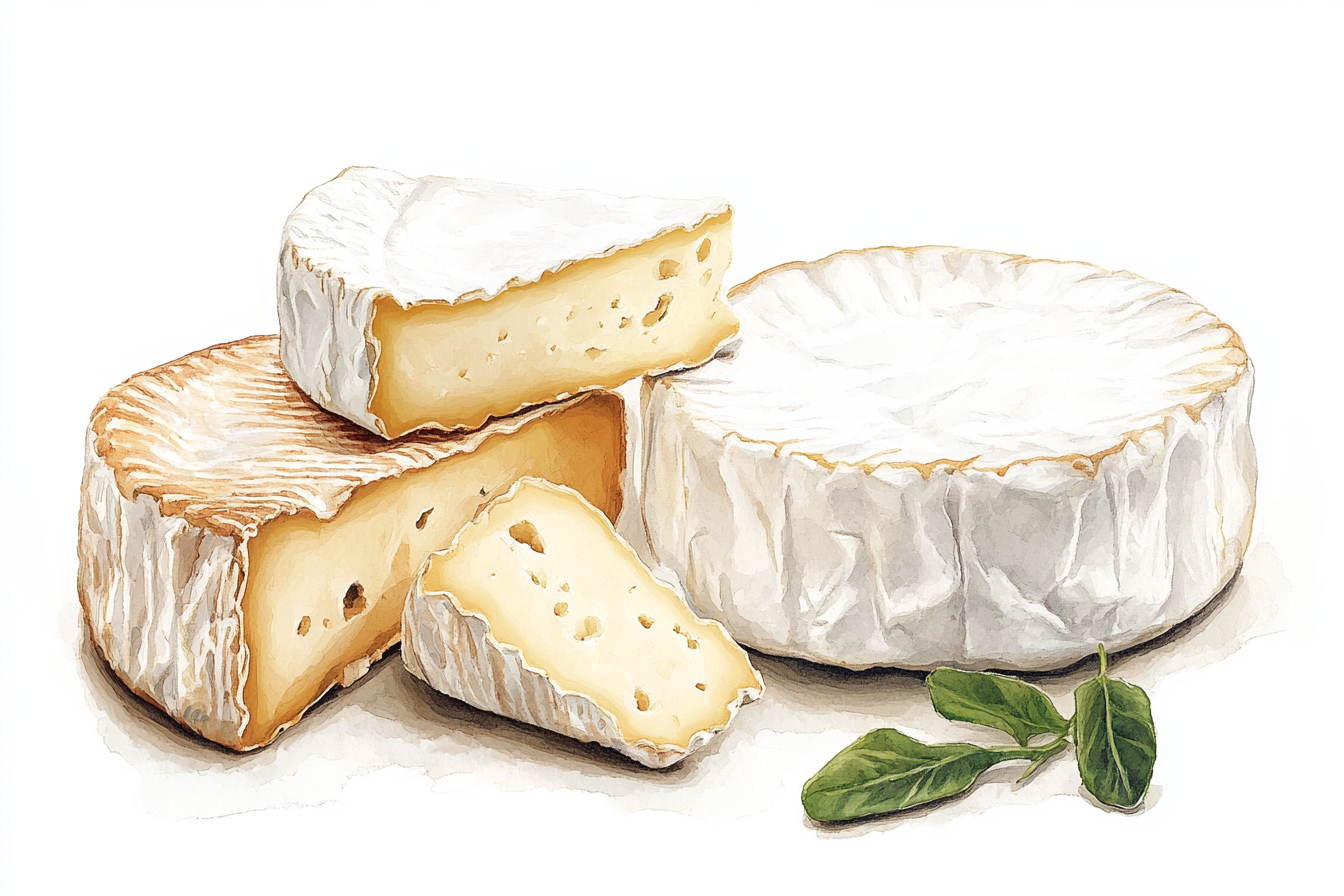
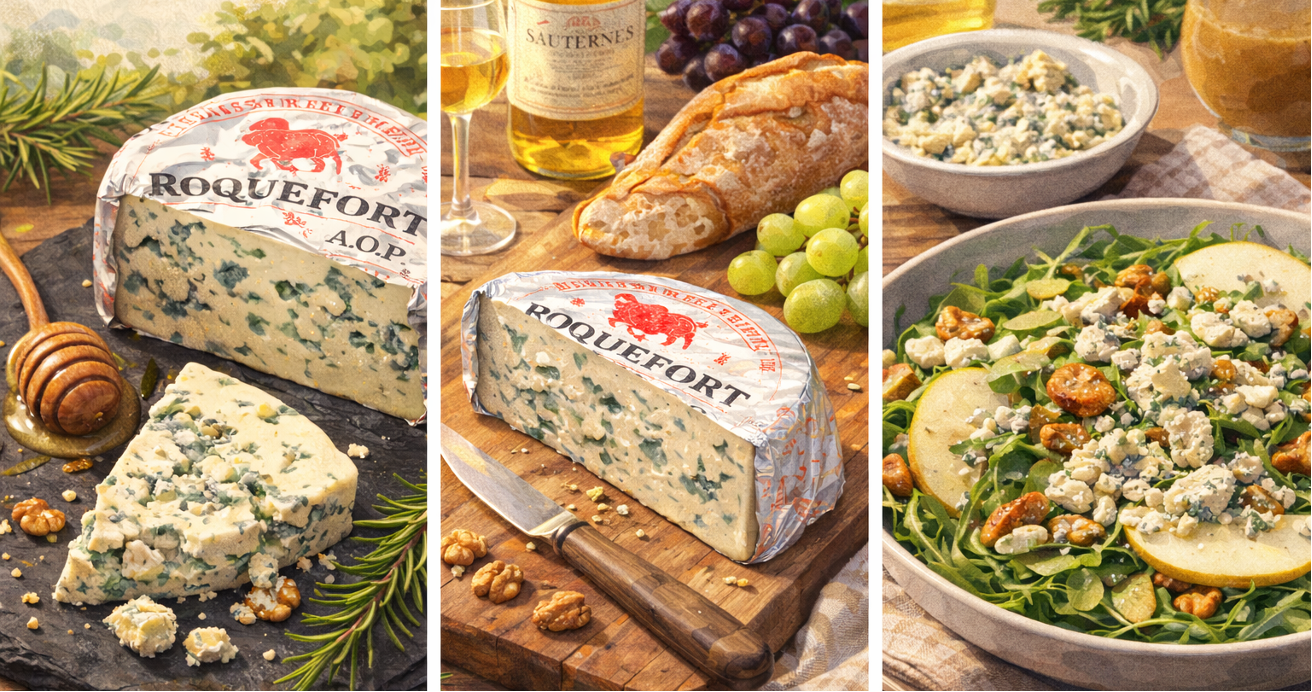
6. Fromage (Cheese Course)
France is home to more than a thousand varieties of cheese, making the fromage course an essential part of many meals.
Popular choices include:
Cheese is usually served with fresh bread rather than crackers.
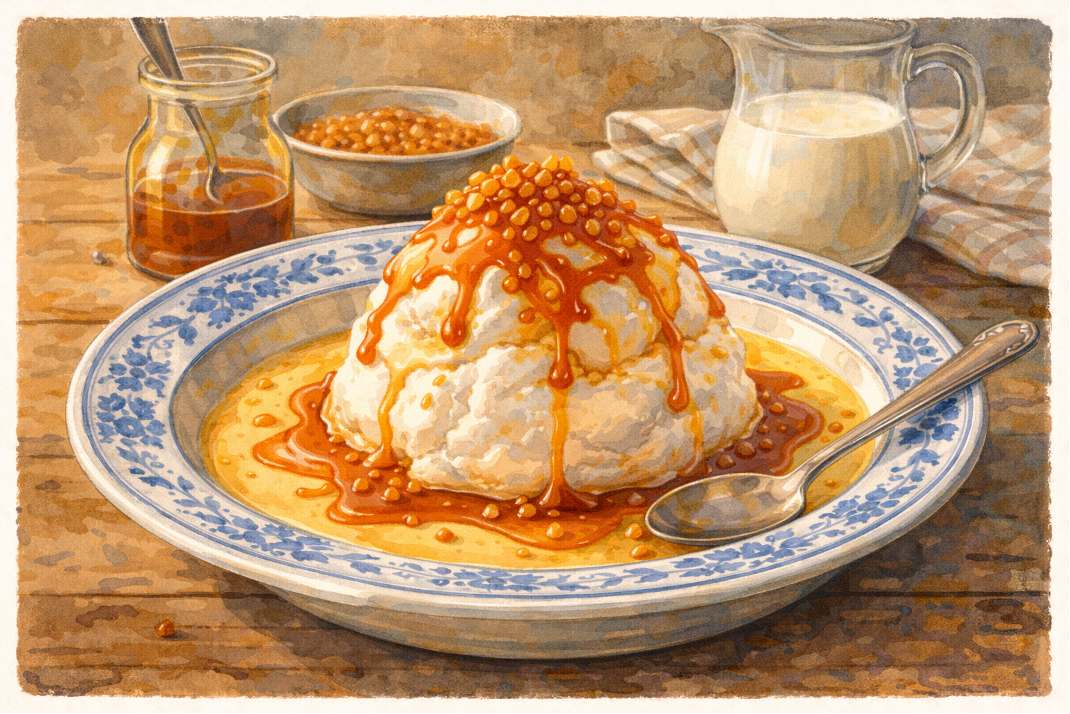
7. Dessert
Dessert provides a sweet conclusion to the meal.
Traditional French desserts include:
- Crème brûlée
- Tarte Tatin
- Chocolate mousse
- Profiteroles
- Île Flottante
- Macarons
Seasonal fruit may also be served as a lighter option.
8. Coffee
After dessert, many French diners enjoy a small cup of espresso.
Unlike some countries, milk is rarely added to coffee after lunch or dinner.
9. Digestif (Optional)
Formal meals may conclude with a digestif, a small glass of spirits such as Cognac, Armagnac, or Calvados.
Although traditionally believed to aid digestion, today it is primarily enjoyed as a way to extend conversation and end the meal on a relaxed note.
Why French Meals Follow This Structure
Each course has a specific purpose. The sequence gradually builds flavors without overwhelming the palate.
Light dishes come first to stimulate the appetite, followed by richer main courses. Cheese bridges the transition between savory and sweet, while dessert provides a satisfying finish. Coffee and a digestif allow diners to continue enjoying one another’s company after the meal.
This thoughtful progression reflects the French philosophy that dining should be an experience rather than simply a necessity.
The Importance of Conversation
One of the defining features of French dining is the emphasis on spending time together.
Meals are rarely rushed. Families and friends often remain at the table long after the final course has been served, discussing everything from daily life to travel, culture, and food.
Whenever I’ve shared a traditional French meal, I’ve noticed that the conversations are just as memorable as the dishes themselves. The meal becomes an opportunity to connect, celebrate, and appreciate the company around the table.
The Modern French Meal
While today’s lifestyles are busier, the principles of the traditional French meal remain strong.
Weekday lunches and dinners are often simplified, consisting of two or three courses instead of a full sequence. However, during weekends, holidays, and special celebrations, many families continue to enjoy the classic structure.
Modern chefs also adapt the tradition by incorporating seasonal ingredients, global influences, and contemporary cooking techniques while respecting the timeless order of the meal.
Why the French Meal Continues to Inspire
What I admire most about the French meal is that it encourages us to slow down. Instead of rushing from one activity to the next, it invites us to appreciate each course, each conversation, and each moment shared with family and friends.
In a world where meals are often eaten on the go, the French approach reminds us that food is more than nourishment. It is culture, hospitality, and a celebration of life’s simple pleasures.
Whether you’re enjoying a casual dinner or a festive holiday feast, understanding the structure of the French meal offers a deeper appreciation of one of the world’s most influential culinary traditions.
Classic Crème Brûlée Recipe
Ingredients
- 2 cups heavy cream
- 1 vanilla bean (or 1 teaspoon vanilla extract)
- 5 egg yolks
- ½ cup granulated sugar
- 4 teaspoons brown or white sugar (for caramelizing)
Instructions
- Preheat the oven to 150°C (300°F).
- Heat the cream with the vanilla until just simmering.
- Whisk the egg yolks with the granulated sugar until pale.
- Slowly pour the warm cream into the egg mixture while whisking continuously.
- Strain the mixture and divide it among ramekins.
- Place the ramekins in a baking dish and add hot water halfway up their sides.
- Bake for 35–40 minutes until just set.
- Cool completely, then refrigerate for at least 4 hours.
- Sprinkle each custard with sugar and caramelize using a kitchen torch or under a hot broiler.
- Serve immediately with fresh berries if desired.
Serving Suggestions
Serve crème brûlée as the final course of a traditional French meal alongside fresh berries, buttery shortbread biscuits, or an espresso for an authentic dining experience.
Preparation Time: 20 minutes (plus chilling time)
Cooking Time: 40 minutes
Servings: 4