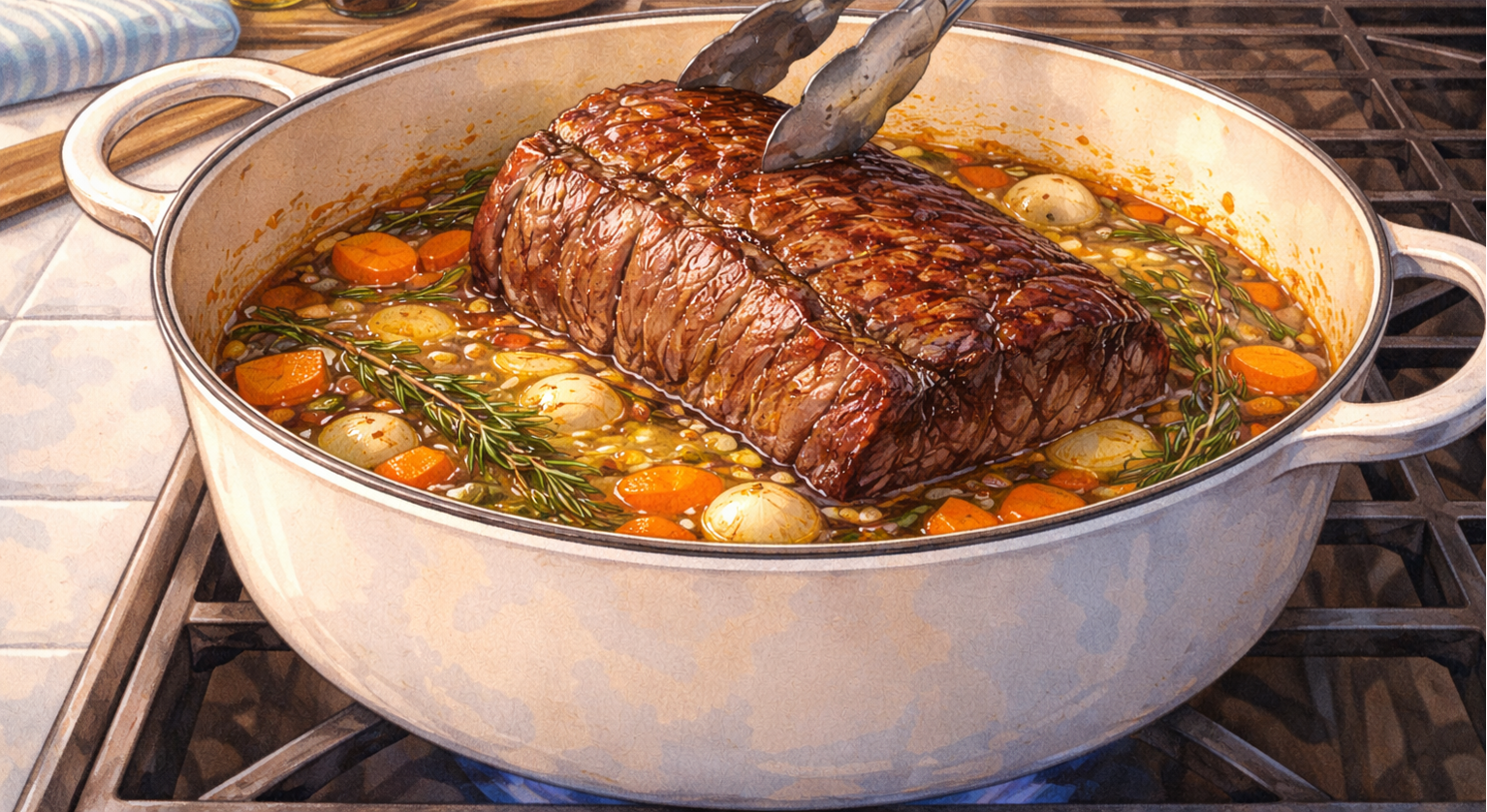
Discover the history, culinary importance, popular dishes, and traditional techniques behind offal cookery (abats), one of France’s oldest and most respected culinary traditions.
The first time I saw offal on a French menu, I hesitated. Words like liver, kidneys, sweetbreads, and tripe sounded unfamiliar, and I wasn’t sure what to expect. Encouraged by a local friend, I ordered a classic dish of veal sweetbreads. The result was nothing like I had imagined. The texture was delicate, the sauce was rich yet balanced, and the preparation showed incredible skill. It completely changed my perspective on ingredients I had previously overlooked.
That meal taught me an important lesson about French cuisine. It values every part of the animal, not only because of tradition but also because of respect. In France, abats, or edible organ meats, are not considered leftovers. They are celebrated ingredients that showcase craftsmanship, sustainability, and centuries of culinary expertise.
What Are Abats?
In French, abats refers to offal, the edible internal organs and other parts of an animal that are prepared for cooking. These include the liver, kidneys, heart, tongue, tripe, sweetbreads, brain, and other specialty cuts.
While some cuisines consider offal unusual, French gastronomy treats it as an essential part of traditional cooking. Many classic dishes feature organ meats prepared with refined techniques that enhance their natural flavors and textures.
Today, abats continue to appear in traditional bistros, bouchons, and regional restaurants throughout France.
A History of Nose-to-Tail Cooking
The use of offal in France dates back to medieval times when wasting food was simply not an option. Farmers, hunters, and butchers learned to use every edible part of an animal, creating nourishing meals from ingredients that were readily available.
As French cuisine evolved, chefs transformed these humble cuts into sophisticated dishes through careful preparation, slow cooking, and flavorful sauces.
This philosophy, now known as nose-to-tail cooking, remains an important part of French culinary culture and has gained renewed popularity as modern chefs embrace sustainable cooking practices.
Common Types of French Offal
French cuisine includes a remarkable variety of offal.
Some of the most commonly used include:
- Liver (Foie)
- Kidneys (Rognons)
- Sweetbreads (Ris de Veau)
- Heart (Cœur)
- Tongue (Langue)
- Tripe (Tripes)
- Brain (Cervelle)
- Oxtail (Queue de Bœuf)
Each cut requires different preparation methods to achieve the best texture and flavor.
Famous French Offal Dishes
Several iconic French dishes highlight the versatility of abats.
Ris de Veau
Veal sweetbreads are considered one of the finest delicacies in French cuisine. They are usually soaked, blanched, pressed, and then sautéed until golden before being served with mushroom or cream sauces.
Rognons de Veau
Veal kidneys are often pan-fried and served with mustard, cream, or Madeira wine sauce.
Tripes à la Mode de Caen
A traditional Normandy specialty made by slowly braising beef tripe with cider, vegetables, herbs, and Calvados for several hours.
Langue de Bœuf
Beef tongue is simmered until tender before being sliced and served with caper sauce, tomato sauce, or mustard.
Foie de Veau
Calf’s liver is quickly sautéed with onions, herbs, or balsamic vinegar to preserve its tenderness.
These dishes demonstrate how skilled preparation transforms humble ingredients into refined meals.
The Techniques Behind Offal Cookery
Preparing offal requires more care than many standard cuts of meat.
French chefs often begin by soaking, trimming, or blanching organ meats to improve their texture and flavor. Gentle cooking methods help preserve tenderness, while sauces provide balance and complexity.
Common techniques include:
Timing is especially important. Overcooking can make some organ meats tough or dry, while proper cooking produces remarkably tender results.
Nutritional Benefits of Offal
Offal is one of the most nutrient-dense foods available.
Many organ meats are rich in:
- High-quality protein
- Iron
- Vitamin A
- Vitamin B12
- Zinc
- Copper
- Folate
- Selenium
Because of their concentrated nutrients, offal has been valued for centuries as an important part of a balanced diet.
However, some organ meats are naturally high in cholesterol and vitamin A, so they are generally best enjoyed in moderation as part of a varied diet.
Offal and Sustainability
One reason offal has experienced renewed interest is its role in sustainable cooking.
Using the entire animal reduces food waste and honors the resources required to raise livestock. This philosophy aligns closely with modern efforts to create more environmentally responsible food systems.
Many contemporary French chefs have embraced nose-to-tail cooking once again, demonstrating that sustainability and fine dining can work together beautifully.
Whenever I watch skilled chefs prepare offal, I’m reminded that cooking is often about changing perspectives. Ingredients that may seem unfamiliar at first can become incredibly rewarding when treated with patience, knowledge, and respect.
Offal in Modern French Cuisine
While traditional recipes remain popular, today’s chefs often reinterpret offal using contemporary techniques and lighter presentations.
Sweetbreads may be paired with seasonal vegetables, liver served with fruit reductions, and tongue incorporated into elegant tasting menus. These modern interpretations introduce new audiences to ingredients that have long been part of French culinary heritage.
As interest in sustainable gastronomy continues to grow, offal cookery remains an important reminder that exceptional cuisine is built on creativity, skill, and respect for every ingredient.
Why Abats Continue to Matter
What I admire most about French offal cookery is its philosophy of making the most of every ingredient. Rather than focusing only on premium cuts, it celebrates craftsmanship and resourcefulness.
Abats tell the story of generations of cooks who learned to transform humble ingredients into memorable meals. They remind us that culinary excellence often comes not from expensive ingredients but from knowledge, patience, and tradition.
Whether enjoyed in a rustic countryside inn or a renowned French restaurant, offal dishes continue to preserve an important chapter of France’s remarkable gastronomic heritage.
Classic Veal Liver with Caramelized Onions Recipe
Ingredients
- 4 veal liver slices (about 150 g each)
- 2 large onions, thinly sliced
- 2 tablespoons butter
- 1 tablespoon olive oil
- 1 tablespoon balsamic vinegar
- Salt and freshly ground black pepper
- Chopped parsley for garnish
Instructions
- Heat the butter and olive oil in a large skillet.
- Add the onions and cook slowly for 15–20 minutes until caramelized.
- Stir in the balsamic vinegar and cook for another minute. Remove the onions and keep warm.
- Season the liver with salt and pepper.
- Increase the heat and cook the liver for 2–3 minutes per side until just cooked but still tender.
- Return the onions to the pan briefly to warm through.
- Serve the liver topped with the caramelized onions and garnish with chopped parsley.
Serving Suggestions
Serve with creamy mashed potatoes, sautéed green beans, roasted root vegetables, or crusty French bread. A simple green salad provides a refreshing contrast to the rich flavors.
Preparation Time: 15 minutes
Cooking Time: 25 minutes
Servings: 4