Good food begins long before you turn on the stove. If you want to elevate every meal, it’s worthwhile to learn to cook and bake at home.
Think about the first thing you ever cooked. Maybe it was an omelette that stuck to the pan, a cake that looked beautiful in the oven but sank the moment you took it out, or a simple bowl of pasta that made you realise you could actually make something worth eating. Most of us have a story like that. Mine would probably involve a kitchen full of dirty dishes, a recipe I thought I understood, and the discovery that cooking something for five minutes doesn’t always mean it will be ready in five minutes.
That’s the funny thing about learning to cook. You can follow every instruction and still end up wondering what went wrong. Why did the onions burn when the recipe said medium heat? Why did the potatoes turn soft instead of crispy? Does it really matter whether the butter is cold or at room temperature? And what exactly does a recipe mean when it tells you to cook something “until done”?
These questions might seem small, but understanding their answers changes the way you approach food. You begin to realise that cooking isn’t simply about following instructions. It’s about understanding ingredients, recognising what heat does to them, and learning to trust your own observations.
Everyone Starts Somewhere
There’s a common misconception that good cooks have always been naturally good at cooking. We see someone effortlessly tossing vegetables in a pan, seasoning a sauce without measuring anything, or pulling a perfectly risen cake from the oven, and assume they must have some special talent. What we don’t see are the countless ordinary meals they made before reaching that point.
Nobody begins by knowing exactly when to flip a pancake or how much salt a pot of soup needs. Those instincts develop through repetition. The first time you cook an egg, you might spend the entire process worrying about whether the pan is too hot. After making eggs a dozen times, you begin recognising the signs without thinking about them. The sound of the butter, the way the whites change colour, and the movement of the egg in the pan all become familiar.
Start With the Basics
If you’re completely new to cooking, the sheer number of things to learn can feel overwhelming. There are different knives, cooking methods, temperatures, ingredients, and techniques, and every recipe seems to assume you already understand half of them. But you don’t need to learn everything at once. In fact, trying to do that usually makes cooking more frustrating than it needs to be.
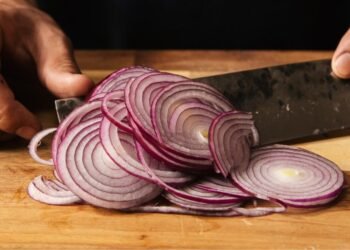
Start with the everyday skills that appear in almost every kitchen. Learn how to hold a knife comfortably, chop vegetables into reasonably even pieces, boil pasta, cook rice, and prepare a simple sauce. Understand the difference between simmering and boiling, and why some foods need a hot pan while others benefit from gentle heat. Even learning to organise your ingredients before cooking can make a surprising difference.
One of the first habits worth developing is reading a recipe from beginning to end before touching any ingredients. It’s easy to glance at the ingredient list, assume you understand the method, and begin cooking, only to discover halfway through that something needed to marinate for an hour or that the oven should have been preheated. A few minutes of reading can save a great deal of confusion later.
Learn What Heat Actually Does to Food
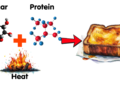
One of the most useful things I wish every beginner understood is that heat isn’t simply a way of making food hot. It changes the texture, flavour, colour, and structure of ingredients, sometimes in completely different ways depending on how it’s applied.
Think about a potato. Boil it, and you get something soft and fluffy that can be mashed with butter. Roast it, and the outside can become golden and crisp while the inside stays tender. Fry it, and you can create the familiar contrast between a crunchy exterior and a soft centre. The ingredient hasn’t changed, but the cooking method has transformed it.
The same thing happens with onions. Cook them gently over moderate heat, and they’ll gradually soften and become translucent. Give them more time under suitable conditions, and they begin developing a deeper colour and sweeter, more complex flavours. Turn the heat too high without paying attention, and they may burn before they’ve softened properly.
Learning to control heat means understanding when to increase the temperature, when to lower it, and when to leave food alone. A crowded pan full of mushrooms, for example, often produces more steam than browning because the moisture cannot escape quickly enough. Spread those mushrooms out, allow the pan to stay sufficiently hot, and the result can be completely different.
Get Comfortable With Ingredients
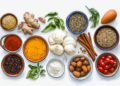
There’s a point in learning to cook when you stop seeing ingredients as items on a shopping list and start understanding what they actually do. It’s one of the most satisfying changes because it makes recipes feel much less mysterious.
Take salt, for example. Most of us know that food needs seasoning, but salt does more than make something taste salty. In suitable amounts, it can enhance existing flavours and change how we perceive bitterness and sweetness. A tomato sauce that tastes strangely flat may come alive after a small pinch of salt. On another day, the same sauce might already be well-seasoned but need a little acidity to balance its richness.
Fat plays a different role. Butter, olive oil, ghee, and other fats contribute flavour, influence texture, and help carry aromatic compounds. Think about the smell of cumin seeds hitting warm ghee or garlic gently cooking in olive oil. Those familiar aromas are part of how fat helps develop flavour.
Acidic ingredients such as lemon juice, vinegar, tamarind, and tomatoes bring another dimension to food. A squeeze of lemon can make a rich curry feel brighter, while a little vinegar can provide contrast in a dressing or sauce. Understanding how salt, fat, acid, and heat work together gives you a practical starting point when a dish doesn’t taste quite right.
Learn to Bake, One Recipe at a Time
Baking has a reputation for being more difficult than cooking, partly because there’s less room for improvisation. You can often adjust a soup while it’s simmering, but once a cake goes into the oven, there isn’t much you can do about forgotten baking powder or an incorrect flour measurement.
That doesn’t mean baking is something beginners should avoid. It simply means that learning a few reliable techniques makes a big difference. Start with recipes that introduce one or two new skills rather than trying to master everything at once.
A batch of cookies can teach you how butter temperature affects texture and why chilling dough sometimes matters. A simple sponge cake introduces the importance of mixing and incorporating air. Bread teaches you about gluten development, fermentation, and patience, particularly when the dough doesn’t behave exactly as expected.
I think one of the most interesting things about baking is how small changes can produce noticeably different results. Butter that’s too warm can affect how cookies spread. Overmixing certain cake batters can produce a tougher texture. An oven running hotter than its setting may brown the outside of a cake before the centre has finished baking.
Recipes Are Teachers, Not Just Instructions
I used to think that being good at cooking meant reaching a point where you no longer needed recipes. But the more useful skill is learning how to understand them.
A recipe is really a collection of decisions someone else has already made. They’ve chosen the ingredients, quantities, cooking method, and sequence of steps to achieve a particular result. When you follow a recipe carefully, you’re learning from those decisions. When you begin understanding why they work, you’re developing skills you can use elsewhere.
Suppose a recipe tells you to cook onions until translucent before adding garlic. Instead of treating that as an arbitrary instruction, notice what happens. The onions need time to soften, while finely chopped garlic cooks much more quickly and can burn if added too early. Once you understand that, you’ll recognise the same pattern in countless other dishes.
Recipes also teach you to pay attention to your senses. Notice how onions smell as they brown, how bread sounds when its crust is tapped, and how vegetables change colour and texture as they cook. These observations are valuable, although they don’t replace food thermometers when safe internal temperatures need to be confirmed.
Mistakes Are Part of Learning
Almost everyone who cooks regularly has a collection of kitchen disasters they’d rather forget. Burnt garlic, oversalted soup, soggy potatoes, cakes that refuse to rise, and rice that somehow manages to be both sticky and undercooked. They’re frustrating, especially when you’ve spent time and money preparing something you were looking forward to eating.
But mistakes can be useful when you understand what caused them. If roasted potatoes turn soggy, perhaps they were too wet before roasting or crowded together on the tray. If a cake comes out dry, it may have baked too long, contained too much flour, or been affected by an inaccurate oven temperature. If a sauce tastes overly salty, reducing it further probably won’t help because evaporation concentrates the salt.
Some problems can be corrected. A sauce that’s too thick may need a little liquid, while an underseasoned soup can often be improved gradually. Other mistakes, such as severely burnt food or ingredients handled unsafely, aren’t always worth trying to rescue.
The important habit is to notice what happened rather than immediately deciding you’re bad at cooking. Ask yourself what you would change next time. Maybe the pan needed less heat, the vegetables needed more space, or the ingredients should have been measured more carefully.
Build Skills Before Collecting Recipes
It’s incredibly easy to collect recipes these days. You can save dozens of cooking videos in a few minutes, bookmark elaborate dinners, and build a list of dishes you hope to make someday. Yet having hundreds of saved recipes doesn’t necessarily make you a better cook.
What helps is actually cooking, especially when you repeat familiar dishes.
Make the same omelette several times and pay attention to how the pan temperature changes the result. Roast potatoes using the same method until you understand how their size, moisture, and spacing affect crispness. Prepare a simple tomato sauce often enough that you begin recognising when it needs more cooking and when it’s ready.
Repetition might sound less exciting than constantly trying something new, but it gives you a chance to notice details you missed before. The first time you make a dish, you’re usually concentrating on following the instructions. The second time, you’re more relaxed. By the third or fourth attempt, you may begin understanding the technique itself.
That’s when the skills start transferring to other recipes. Once you know how to sauté vegetables properly, you can use the same technique in pasta, curries, stir-fries, and countless other meals. Once you understand how yeast dough behaves, learning another bread recipe becomes easier.
Learn to Trust Yourself in the Kitchen
One of the nicest changes that comes with cooking experience is becoming less dependent on exact instructions. You open the fridge, find a few vegetables, some leftover rice, and perhaps an egg, and begin imagining what you could make.
At first, this can feel uncomfortable. Recipes provide certainty, and without one, you have to decide how much oil to use, which ingredient to cook first, and how to season everything. But those decisions become easier as you build familiarity with ingredients and techniques.
Start with something you already know. If you’ve made tomato pasta several times, try preparing it without checking every instruction. If you’re comfortable roasting vegetables, experiment with a different combination of ingredients. You might discover that a few simple cooking principles are enough to turn an ordinary collection of ingredients into a satisfying meal.
Your Cooking and Baking Journey Starts Here
There’s no single correct way to learn to cook. Some people grow up watching family members prepare meals and absorb techniques almost without realising it. Others discover cooking much later, perhaps after moving away from home or deciding they want to eat better. Some learn through cookbooks, others through videos, and plenty of us learn by making mistakes and trying again.
However you begin, the process is remarkably similar. You start