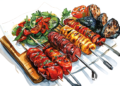
Grilling at Home is really about learning to cook confidently over strong, direct heat, whether that heat comes from an outdoor grill or a grill pan in your kitchen. I used to think grilling depended mostly on equipment. If you had a proper outdoor grill, you could make properly grilled food. If you only had a pan indoors, you were settling for something less. In practice, the equipment certainly changes the result, especially when it comes to smoke and flame, but many of the skills remain the same.
Good grilling depends on heat control, preparation, timing, and knowing when to leave the food alone. Meat, fish, paneer, vegetables, and even fruit can benefit from the intense heat of a grill. Once you understand a few basic grilling techniques, you can adapt them to the equipment and space you have.
Grilling at Home Starts With Heat
A grill works best when you give it enough time to heat before adding food. Placing ingredients onto a surface that is still warming can encourage sticking and produce weak browning.
Preheating also helps you judge the cooking environment before dinner is sitting on it. With an outdoor grill, you may create hotter and cooler areas so you can move food when necessary. With a grill pan, you control the temperature through the stove.
Strong heat encourages browning, but maximum heat is not automatically best for everything. Thin vegetables or small pieces of meat may cook quickly, while thicker ingredients need enough time for the center to cook without burning the outside.
Think about the ingredient before deciding how aggressive the heat should be.
Prepare Food Before It Reaches the Grill
Preparation makes grilling at home much easier. Once the cooking surface is hot, you do not want to start searching for tongs, seasoning meat, or chopping vegetables.
Prepare ingredients in advance and dry their surfaces when appropriate. Excess moisture can interfere with browning, especially when using an indoor grill pan. Season the food and apply oil according to the recipe and ingredient.
Avoid pouring excessive oil onto the grill itself. Too much fat can create unnecessary smoke indoors and flare-ups outdoors.
Keep clean plates and utensils ready for cooked food, particularly when you are grilling raw meat or poultry. A plate that held raw chicken should not become the serving plate unless you wash it properly first.
Indoor Grilling Needs Good Ventilation
Indoor grilling can produce considerable smoke, particularly when cooking fatty foods over high heat. Ventilation therefore matters.
Use your kitchen exhaust system when available and follow the instructions for your indoor grilling equipment. A grill pan can create attractive browning and grill marks, but it does not reproduce every characteristic of cooking over charcoal or an outdoor flame.
More importantly, never bring a charcoal grill or a standard outdoor gas grill indoors. Charcoal and fuel-burning outdoor grills can produce dangerous carbon monoxide and require appropriate outdoor ventilation.
Indoor grilling should use equipment specifically intended for indoor cooking.
Use a Grill Pan Properly
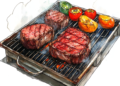
A grill pan is one of the easiest ways to grill food indoors. Its raised ridges create areas of direct contact and can leave distinctive marks on the surface.
Preheat the pan appropriately before adding the food. Depending on what you are cooking, a light coating of oil on the ingredient may work better than pouring a large amount into the pan.
Do not expect every part of the food to become equally dark. The raised ridges create concentrated contact points, while the areas between them cook differently.
Remember that grill marks are only one part of good cooking. Flavor, texture, browning, seasoning, and correct doneness matter far more than creating a perfect striped pattern.
Outdoor Grilling Gives You More Heat Options
One advantage of outdoor grilling is the ability to create different heat zones. Instead of treating the entire grill as one temperature, you can arrange a hotter area for searing and a gentler area for slower cooking.
This becomes especially useful with thicker foods. You might develop color over stronger heat and then move the ingredient to a cooler section so the interior can continue cooking without burning the exterior.
Gas and charcoal grills manage heat differently, so learn how your particular grill responds. Vents, burner settings, fuel quantity, lid position, weather, and food load can all affect temperature.
Rather than relying only on a recipe’s stated cooking time, watch what happens on your grill.
Do Not Move Food Constantly
One of the most useful grilling techniques is also one of the simplest: stop touching the food every few seconds.
When food first meets a hot cooking surface, it needs time to develop browning. Moving it constantly can interfere with that process and make delicate ingredients more likely to tear.
Let the first side cook before testing it. If the ingredient is sticking strongly and has not started burning, it may simply need more time.
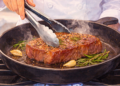
Once a good surface has developed, turn it using appropriate tongs or a spatula. Avoid repeatedly piercing meat with a fork when you can handle it with tongs instead.
A little patience usually produces better grilling than constant movement.
Grilling at Home Works Better Without Crowding
A crowded grill is difficult to manage. Food blocks access to the cooking surface, temperature can become harder to control, and you have less room to move ingredients away from excessive heat.
Leave enough space between pieces whenever possible. This is particularly useful when grilling at home on a relatively small grill pan, where adding too much food can reduce effective surface temperature.
If necessary, cook in batches. The first batch can rest while the next one cooks, depending on the ingredient and recipe.
Outdoors, leaving some free grill space also gives you somewhere to move food if flare-ups occur or one area becomes hotter than expected.
Watch for Flare-Ups Outdoors
Fat dripping onto flames or hot coals can cause sudden flare-ups during outdoor grilling. A brief flame is not always a disaster, but prolonged flames can blacken food quickly and create unpleasant burnt flavors.
Rather than allowing fatty foods to sit directly over strong flames, move them to another part of the grill when needed. Keeping different heat zones gives you somewhere safer to place them.
Never leave a lit grill unattended. Keep children and pets away from the cooking area, and place outdoor grills on a stable surface at a safe distance from structures and combustible materials.
Follow the manufacturer’s safety instructions for lighting, operating, shutting down, and maintaining your particular grill.
Use a Thermometer for Meat and Poultry
Color alone cannot reliably tell you whether meat or poultry has reached a safe internal temperature. Browning happens on the surface, while safety depends on what has happened inside.
An appropriate food thermometer takes much of the guesswork out of grilling. Insert it into the relevant thick part of the food while avoiding bone where appropriate.
This becomes particularly useful with chicken, burgers, thick steaks, chops, and other foods where the outside may look finished before the center reaches the desired temperature.
Good grilling techniques combine visual judgment with reliable temperature checking when food safety requires it.
Rest Meat When Appropriate
Cooking does not necessarily finish the moment food leaves the grill. Resting can be useful for many cuts of meat because it gives the internal temperature and juices time to settle.
The appropriate resting time depends on the food. A large piece of meat behaves differently from a thin chop or small skewer.
Use the resting period to finish other parts of the meal rather than immediately cutting into everything that comes off the grill.
For vegetables, paneer, fruit, and many other grilled foods, serving needs differ. Some are best straight from the cooking surface, while others benefit from a dressing, seasoning, or short rest.
Indoor and Outdoor Grilling Require Different Expectations
Indoor grilling and outdoor grilling share many techniques, but they do not create identical results. A grill pan can produce strong browning and attractive surface marks, yet it cannot fully reproduce the smoke, fuel aromas, and open-fire character of an outdoor charcoal grill.
That does not make indoor grilling inferior. It simply makes it different.
A well-preheated grill pan can produce excellent vegetables, paneer, chicken, fish, and other foods with very little equipment. Outdoor grills offer more room, different heat zones, and the distinctive characteristics that come from their fuel and design.
Instead of forcing one method to imitate the other perfectly, use each for what it does well.
Grilling at Home Gets Easier With Practice
Learning Grilling at Home is less about memorizing cooking times and more about becoming comfortable with heat. Preheat the cooking surface, prepare ingredients before you begin, avoid overcrowding, and give food enough time to develop color before turning it.
Pay attention to what you see, hear, and smell. Strong sizzling can tell you the surface is hot. Darkening edges warn you that food may need turning or moving. Smoke can indicate flavorful browning, but excessive smoke may tell you that fat is burning or the temperature is too high.
Whether you are indoor grilling on a weeknight or cooking outdoors for several people, the same basic idea applies: control the heat instead of letting the heat control the meal.
Good grilling does not depend on having the biggest grill or the hottest fire. It comes from understanding your heat, preparing the food properly, and knowing when to move it, turn it, or simply leave it alone.