Tomatoes: Raw vs Cooked in Italian Kitchens
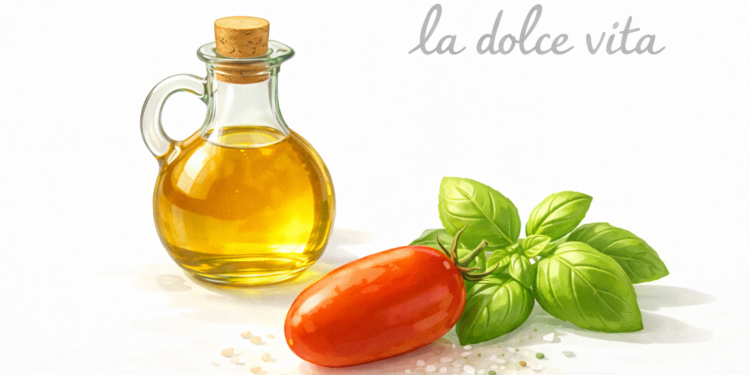
Tomatoes sit at the heart of Italian cooking, yet Italians treat them with far more nuance than most people realize. In fact, raw tomatoes are used in specific dishes to capture their fresh, vibrant...


Tomatoes sit at the heart of Italian cooking, yet Italians treat them with far more nuance than most people realize. In fact, raw tomatoes are used in specific dishes to capture their fresh, vibrant...
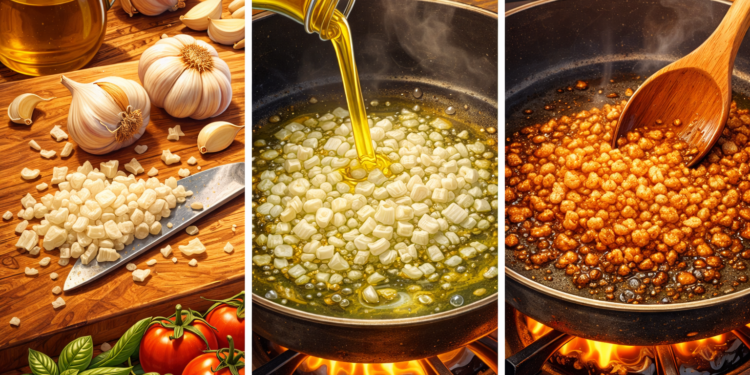
Garlic appears in kitchens across the world, yet it is often treated as a single, fixed flavour. In reality, garlic behaves more like a spectrum, and when you encounter the distinctive bite of rawgarlic,...
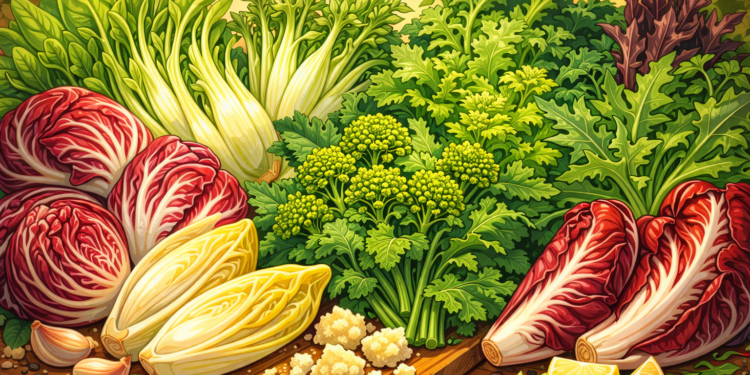
Bitterness is one of the most misunderstood flavors in cooking. Many people learn early to avoid it, associating bitter tastes with mistakes or unpleasant food. Yet in Mediterranean cooking, bitterness is not only accepted—it...
In Italian cooking, salt is not treated as a final adjustment. It is a cultural practice, woven into the cooking process itself. Rather than salting at the table, Italians season gradually, from the very...
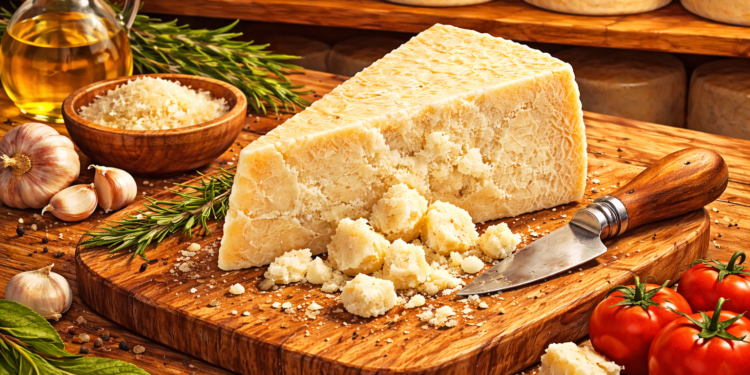
Pecorino Romano is often mistaken for a simple substitute for Parmesan. However, this cheese has a distinct identity shaped by history, geography, and necessity. Sharp, salty, and assertive, Pecorino Romano plays a functional role...
Heat is one of the most powerful—and often overlooked—tools in cooking. Slow cooking, for example, shows how applying heat gradually can transform ingredients in unique ways. While ingredients usually get the credit, fat, acid,...
Cooking across cultures may look wildly different, but underneath the spices, techniques, and traditions lies a shared logic. At its heart, this core structure can be considered a kind of universal framework for delicious...
Italian cooking's simplicity often confuses people outside Italy. Many assume it means quick meals, minimal effort, or plain food. However, Italians see simplicity very differently. For them, it represents a deliberate and disciplined culinary...
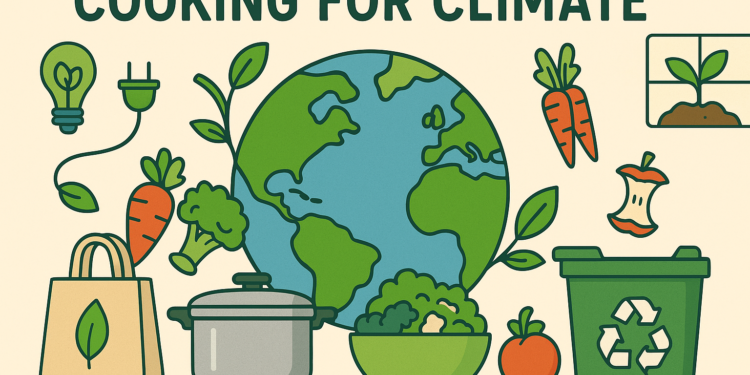
Introduction: The Kitchen’s Role in Climate Change Climate change is often linked to industries like transportation, energy, or construction. But there’s one surprising contributor we encounter every day—our food choices. What we eat, how...
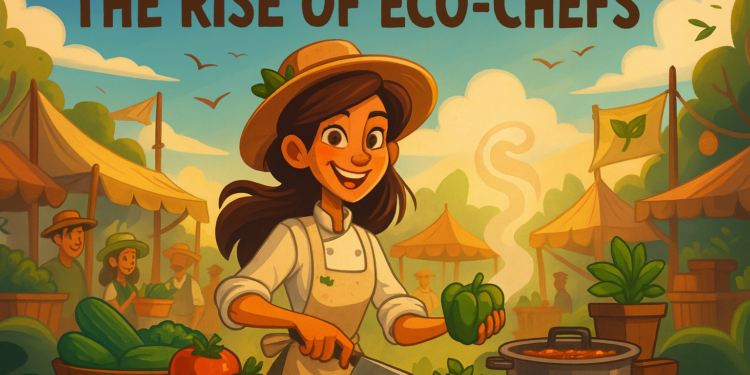
Introduction: A New Culinary Ethos In today’s world, food is more than just nourishment or indulgence—it is a significant contributor to environmental impact. As concerns about climate change, food waste, and ethical sourcing rise,...