Discover the history, regional specialties, signature ingredients, and authentic recipes that make the cuisine of Northern France one of the country’s most comforting and distinctive culinary traditions.
The first time I traveled through Northern France, I expected elegant pastries and fine dining, but what I found was something equally memorable—hearty stews simmering slowly, freshly baked rustic bread, creamy cheeses, and bustling markets filled with local produce. The cuisine of Northern France is rooted in tradition, reflecting the cooler climate in every meal. Instead of light Mediterranean dishes, I discovered comforting recipes that seemed designed to warm both the body and the soul.
One meal that stands out in my memory was a traditional Carbonnade Flamande, served with crusty bread and crispy fries. The rich beef stew, slowly cooked in local beer, showed me how simple ingredients and patience can create extraordinary flavors. That experience gave me a deeper appreciation for the regional diversity that makes French cuisine so fascinating.
Where Is Northern France?
Northern France includes regions such as Hauts-de-France and Normandy, as well as parts of Grand Est that share historical and culinary influences with neighboring Belgium and northern Europe.
The region experiences a cooler climate with fertile farmland, extensive coastlines along the English Channel and the North Sea, and a long agricultural tradition. These natural conditions have shaped a cuisine known for hearty meals, dairy products, seafood, root vegetables, and locally brewed beer.
Unlike the olive oil-based cooking of southern France, Northern France often relies on butter, cream, and slow-cooking techniques.
A Cuisine Influenced by Geography and History
Northern France has long been a crossroads of European trade and culture. Over centuries, interactions with Belgium, England, and the Netherlands influenced local cooking traditions.
The region’s fertile plains support wheat, potatoes, sugar beets, and vegetables, while Normandy’s lush pastures produce some of France’s finest dairy products. Coastal waters provide abundant fish, mussels, oysters, and scallops.
As a result, Northern French cuisine combines rustic farmhouse cooking with fresh seafood and artisan dairy products.
Signature Ingredients
The distinctive flavors of Northern France begin with its exceptional local ingredients.
Common staples include:
- Butter
- Cream
- Apples
- Potatoes
- Leeks
- Mushrooms
- Cabbage
- Endives
- Mussels
- Cod
- Scallops
- Beef
- Pork
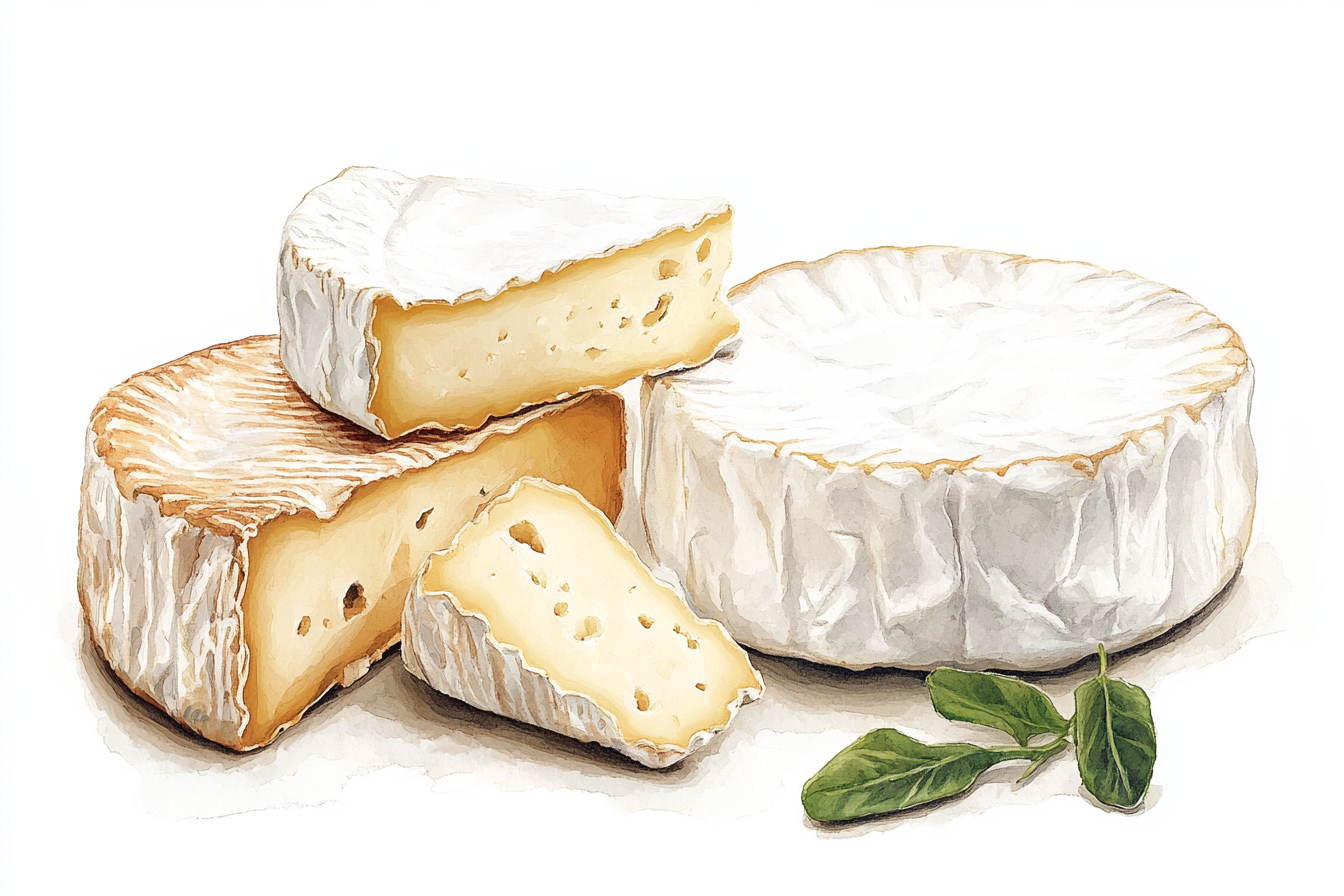
- Camembert cheese
- Brie
- Livarot
- Maroilles cheese
Beer, cider, and Calvados (apple brandy) are also widely used in cooking.
Famous Dishes of Northern France
The region is home to many comforting classics that reflect its agricultural heritage.
Some of the best-known dishes include:
Carbonnade Flamande
A slow-cooked beef stew prepared with dark beer, onions, herbs, and mustard. This rich dish reflects the strong Belgian influence found throughout Northern France.
Moules-Frites
Fresh mussels steamed with white wine, garlic, herbs, or cream and served alongside crispy French fries. It is especially popular along the northern coastline.
Potjevleesch
A traditional terrine made with several types of meat, including chicken, rabbit, pork, and veal, set in a delicate jelly and served cold with fries.
Welsh
Originally inspired by Welsh rarebit, this hearty dish features toasted bread topped with ham, melted cheese, mustard, and beer before being baked until bubbling.
Ficelle Picarde
A savory crêpe filled with ham, mushrooms, and cream, then baked with cheese until golden.
These dishes highlight the region’s love of rich flavors and satisfying meals.
Normandy’s Culinary Heritage
Normandy deserves special recognition within Northern France because of its exceptional dairy products and apple orchards.
The region is famous for:
- Camembert cheese
- Pont-l’Évêque cheese
- Livarot cheese
- Fresh cream
- Butter
- Cider
- Calvados
- Apples
These ingredients appear in countless recipes, from creamy seafood dishes to apple tarts and roasted meats finished with cider-based sauces.
Seafood from the Northern Coast
With access to the English Channel and the North Sea, seafood plays an important role in regional cooking.
Popular seafood includes:
- Mussels
- Oysters
- Scallops
- Sole
- Turbot
- Cod
- Shrimp
These ingredients are often prepared simply with butter, herbs, garlic, or cream to preserve their natural flavor.
Fresh seafood markets remain an important part of daily life in many coastal towns.
Cheese and Bread
Northern France produces several of the country’s most celebrated cheeses.
Among the most famous are:
- Camembert
- Brie de Meaux
- Maroilles
- Livarot
- Pont-l’Évêque
These cheeses are often enjoyed with freshly baked baguettes or rustic country bread, forming an essential part of both everyday meals and festive gatherings.
The Importance of Local Markets
Farmers’ markets remain central to Northern French food culture.
Visitors can find fresh vegetables, artisan cheeses, seafood, meats, homemade jams, freshly baked bread, and seasonal fruits all in one place. Many local chefs begin their day by selecting ingredients directly from these markets, ensuring freshness and supporting regional producers.
Whenever I visit one of these markets, I notice how much pride the vendors take in explaining where their products come from. That personal connection between producer and customer is one of the qualities that makes French food culture so special.
A Cuisine Built on Comfort
What I admire most about the cuisine of Northern France is its honesty. These recipes weren’t created to impress with complicated techniques or extravagant ingredients. Instead, they were designed to nourish families through long winters using local produce and traditional cooking methods.
Even today, many of these dishes continue to bring people together around the table. They remind us that comfort food often tells the richest stories about a region’s history, climate, and way of life.
Whether it’s a bowl of Carbonnade Flamande, a plate of Moules-Frites, or a slice of warm apple tart, Northern France offers a culinary experience that is both comforting and unforgettable.
Traditional Carbonnade Flamande Recipe
Ingredients
- 800 g beef chuck, cut into cubes
- 2 tablespoons butter
- 2 large onions, sliced
- 2 garlic cloves, minced
- 500 ml dark beer
- 1 tablespoon Dijon mustard
- 1 tablespoon brown sugar
- 2 teaspoons red wine vinegar
- 2 bay leaves
- 2 sprigs fresh thyme
- Salt and black pepper to taste
- Chopped parsley for garnish
Instructions
- Season the beef with salt and pepper.
- Melt the butter in a heavy pot and brown the beef in batches. Remove and set aside.
- Cook the onions until soft and lightly caramelized.
- Add the garlic and cook for one minute.
- Return the beef to the pot and stir in the mustard, brown sugar, and vinegar.
- Pour in the dark beer and add the bay leaves and thyme.
- Cover and simmer gently for 2½–3 hours until the beef is tender.
- Remove the herbs and adjust the seasoning.
- Garnish with chopped parsley before serving.
Serving Suggestions
Serve Carbonnade Flamande with crispy French fries, buttered potatoes, mashed potatoes, or crusty rustic bread. A fresh green salad and a glass of regional cider or sparkling apple juice make excellent accompaniments.
Preparation Time: 20 minutes
Cooking Time: 3 hours
Servings: 4–6