Italian food feels light, and that is something many people notice right after a meal. You feel full, comfortable, and satisfied, but not heavy or sleepy. This feeling isn’t accidental. Italian cooking is built around balance, simplicity, and thoughtful choices that make food enjoyable both during and after eating.
Instead of focusing on richness or large portions, Italian cuisine focuses on how food should feel in the body.
Italian Food Feels Light Because Balance Comes First
One major reason Italian food feels light is balance. Pasta, olive oil, vegetables, and herbs are used together in a way that supports digestion rather than overwhelming it.
Pasta is served in moderate portions and paired with light sauces. A tomato sauce coats the pasta instead of drowning it. Olive oil adds smoothness, not greasiness. This balance allows the meal to feel satisfying without feeling too much.
Simple Ingredients Make Meals Easier to Digest
Traditional Italian dishes rely on very few ingredients. Each one has a clear role, and nothing is added just for show.
Tomatoes bring freshness, olive oil adds richness, vegetables add texture, and herbs add aroma. Because flavors are clean and uncluttered, the body processes the meal more comfortably. This simplicity is one of the quiet reasons Italian food feels light while still being filling.
Portion Size Plays a Big Role in How Food Feels
Italian meals are rarely oversized. Pasta is not meant to fill the entire plate. Instead, it is one part of a balanced meal.
Meals are often enjoyed in courses. A small plate of pasta may be followed by vegetables or protein. This spreads fullness over time and prevents the uncomfortable heaviness that comes from eating too much at once.
Italian Food Feels Light Through Gentle Cooking Methods
Italian cooking relies on calm, controlled techniques. Sauces are simmered slowly, vegetables are sautéed gently, and foods are rarely deep-fried.
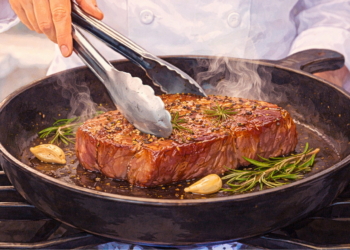
Olive oil is warmed carefully. Garlic is softened, not burned. Tomatoes are given time to mellow. These methods prevent bitterness and greasiness, which helps food feel lighter and more comfortable to eat.
Fat Is Used Carefully, Not Excessively
Italian cuisine does use fat, but it is used with intention. Olive oil is the primary fat, and it is applied in moderation.
Cheese is often grated lightly rather than layered thickly. Cream-based dishes exist, but they are not everyday meals. This thoughtful use of fat helps explain why Italian food feels light instead of heavy.
Eating Slowly Changes How Full You Feel
Italian meals are meant to be enjoyed slowly. Eating at a relaxed pace gives the body time to recognize fullness naturally.
When food is not rushed, smaller portions feel more satisfying. This habit strongly influences how food feels after eating and supports comfortable digestion.
Why Italian Food Feels Light and Comforting Overall
Italian cooking is not about restriction or excess. It is about making food that feels good to eat and good afterward.
A simple plate of pasta, bread, and vegetables can feel deeply comforting without being overwhelming. That thoughtful approach is the real reason Italian food feels light and satisfying.