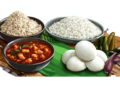
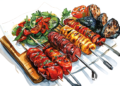
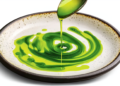
The Four Pillars of Cooking changed the way I think about food because they gave me a much simpler answer to a familiar problem: what do you do when a dish just does not taste right? I used to assume the solution was another ingredient. A bland soup got more pepper, a dull sauce got another spice, and sometimes I kept adding things until I had created a completely different problem. Over time, I realized that good cooking is often less about adding more and more ingredients and more about finding balance.
Four Pillars of Cooking: Start With Salt
Salt seems like the simplest part of cooking until you start paying attention to what it actually does. Its job is not merely to make food salty. Used carefully, it makes the existing flavors of ingredients easier to notice. Tomatoes taste more vivid, potatoes become more satisfying, and a soup that seemed watery a minute ago can suddenly make sense.
I used to leave most of my seasoning until the end. Now, when appropriate, I add salt gradually and taste along the way. Vegetables might get a little while they cook, a sauce gets checked after reducing, and the finished dish gets one final taste before serving. Of the Four Pillars of Cooking, salt teaches perhaps the most valuable habit: taste first, then decide what the food needs.
Fat Does More Than Add Richness
Butter melting into hot potatoes, olive oil coating pasta, yoghurt enriching a marinade, and cream softening a sauce all show how fat changes food. It affects texture, but it also helps carry many flavor and aroma compounds. This is one reason spices can smell so much more expressive after briefly cooking in oil.
Different fats also bring different personalities. Butter has a different character from extra-virgin olive oil, while coconut milk contributes something else entirely. Sesame oil can change the aroma of a dish with only a small amount. Understanding these cooking fundamentals means choosing your fat deliberately rather than seeing oil only as something that prevents ingredients from sticking.
Too much richness, however, can make food feel heavy. That is often the moment when acid becomes useful.
Acid and the Art of Balancing Flavors
Acidity took me longer to understand. I knew lemons were sour and vinegar was sharp, but I did not understand why a tiny squeeze of lemon could improve a dish without making the whole thing taste of lemon.
Acid provides contrast. Lemon juice, lime juice, vinegar, tomatoes, yoghurt, wine, and tamarind can all contribute acidity in different ways. They are particularly helpful for balancing flavors when food seems rich, heavy, or strangely flat even though it already contains enough salt.
Try tasting a rich soup before and after adding a small amount of lemon juice. The difference can be surprisingly noticeable. You are not necessarily trying to create a sour flavor. Instead, acidity can make the other flavors feel clearer and less weighed down.
Heat Changes the Ingredient Itself
Heat is probably the most easily misunderstood of the Four Pillars of Cooking. Here, heat does not mean chilli or spiciness. It refers to the cooking energy that transforms ingredients.
Take an onion. Raw onion is crisp, sharp, and pungent. Cook it gently and it becomes soft, sweeter, and more mellow. Give it stronger heat and enough time, and its surface begins to brown, developing deeper aromas and flavors. You started with the same onion, yet the experience of eating it has completely changed.
Boiling, steaming, roasting, grilling, frying, and simmering also transform ingredients in different ways. Learning when to use intense heat and when to cook something slowly is one of the essential cooking principles that becomes easier only through practice.
How the Four Pillars of Cooking Work Together
The idea becomes much more useful when salt, fat, acid, and heat stop feeling like four separate lessons. Think about a tray of roasted vegetables. Salt seasons them, olive oil adds richness and assists browning, oven heat transforms their surfaces, and a squeeze of lemon at the end can provide the acidity that keeps everything lively.
A salad uses the same Four Pillars of Cooking differently. Salt seasons the vegetables, olive oil supplies fat, and vinegar or lemon provides acidity. Heat might enter through toasted nuts, grilled vegetables, or warm bread served alongside it.
There is no rule saying every dish must contain an obvious example of all four. The point is learning how these elements interact and recognizing when changing one of them can improve the whole dish.
Use Cooking Fundamentals When Food Tastes Wrong
This is where the framework becomes particularly useful in an ordinary kitchen. Dinner is nearly ready, you take a spoonful, and something is not quite right. Instead of automatically opening the spice cupboard, stop for a moment.
Does the food actually need salt? If the seasoning seems right, does the dish feel heavy enough to benefit from acidity? Perhaps it tastes thin and could use some richness. Maybe the vegetables are pale and watery because the pan was overcrowded and they steamed instead of browning.
These cooking fundamentals give you better questions to ask. Make one adjustment and taste again. This is much more useful than adding salt, pepper, chilli, herbs, and lemon all at once and then having no idea which change actually helped.
Balancing Flavors Takes Practice
Understanding the Four Pillars of Cooking does not mean you will instantly know what every sauce needs after one taste. Your palate develops through repetition. You oversalt something and remember what that tastes like. You add lemon to a rich soup and notice how much fresher it becomes. You crowd vegetables into a pan and learn why they refused to brown.
Those little experiences gradually become instinct. You begin balancing flavors without consciously working through a checklist. Perhaps you add vinegar to lentils because they seem heavy or finish roasted vegetables with olive oil because they need richness. The decision begins to feel natural because you have seen the same problem before.
Four Pillars of Cooking Build Better Instincts
Recipes remain useful. There is no prize for making everything from memory, and I still rely on recipes when I am cooking something unfamiliar. What changes is the way you read them. You begin understanding why a recipe asks for lemon at the end, why onions are cooked gently in one dish but browned aggressively in another, or why a final drizzle of olive oil changes the finished plate.
That is the real value of the Four Pillars of Cooking. Salt, fat, acid, and heat give you a simple language for understanding what happens in a pan. Instead of only asking whether you followed the instructions correctly, you start asking whether the food actually tastes good.
There will still be mistakes. Soup gets oversalted, garlic burns, and occasionally something stays in the oven far longer than planned. But these essential cooking principles make it easier to understand what happened and what you could change next time.
Good cooking is rarely about adding everything you can. More often, it is about recognizing what is missing and knowing when the balance feels right.