Learning to cook does not mean collecting hundreds of recipes. In fact, you will probably learn more from making the same scrambled eggs five times than from trying five complicated recipes once. Repetition teaches you what a recipe cannot always explain: when a pan feels too hot, when pasta is actually al dente, or when soup needs salt rather than another ingredient. These five dishes to master are simple, everyday foods, but each teaches a skill you will use again and again.
1. Eggs: One of the Essential Dishes to Learn
Eggs are wonderfully unforgiving teachers. Scrambled eggs left over aggressive heat can become dry before you realize what happened, while gentler heat gives you soft, tender curds. Start with two or three eggs, a pinch of salt, and a little butter. Cook them over medium-low heat and watch the texture instead of relying entirely on a timer. Remove them while they still look slightly softer than you want because the warm pan will continue cooking them briefly. Eggs belong among the five dishes to master because they teach you to control heat rather than simply turning the stove to high.
2. Pasta: A Beginner Cooking Dish Worth Repeating
Simple tomato pasta teaches timing, seasoning, and coordination. Gently cook garlic in olive oil, add tomatoes and salt, and leave the sauce to simmer while the pasta cooks in salted water. Taste the pasta before the suggested cooking time ends. You want a little firmness rather than a soft, swollen noodle. Before draining, save some cloudy pasta water, then transfer the pasta directly into the sauce. A splash of that starchy water can loosen the sauce and help it cling to the pasta. Of all the beginner cooking dishes, this is one you can repeat endlessly while changing the sauce as your confidence grows.
3. Rice: One of the Five Dishes to Master With Patience
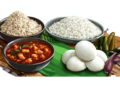
Rice teaches a surprisingly difficult kitchen skill: leaving food alone. Different varieties require different amounts of liquid and cooking times, so follow the instructions for the rice you are using instead of assuming one ratio works for everything. Once the lid goes on and the heat is adjusted, resist the temptation to check it every few minutes. Lifting the lid repeatedly releases steam and changes the cooking environment. When the rice is finished, let it rest briefly before fluffing it. Rice earns its place among the five dishes to master because it reminds you that good cooking is not always about stirring, flipping, and adjusting. Sometimes patience does most of the work.
4. Vegetable Soup: Learn to Taste as You Cook
Vegetable soup is where you can start depending less on exact measurements. Gently cook onion, carrot, celery, or whatever sturdy vegetables you have in a little oil. Add garlic, followed by stock or water and the remaining vegetables, then let everything simmer until tender. Now taste it. If the soup seems dull, it might need salt. If it feels heavy, a squeeze of lemon or a small splash of vinegar may brighten it. Perhaps it simply needs another ten minutes. Soup is one of the essential dishes to learn because it encourages you to make decisions. Recipes provide guidance, but your tongue should have the final say.
5. Roast Chicken: A Dish Every Beginner Should Master
A whole roast chicken can feel intimidating the first time, but the basic method is reassuringly straightforward. Pat the chicken dry, season it well, and roast it until properly cooked. A food thermometer removes much of the uncertainty; chicken should reach a safe internal temperature of 165°F or 74°C at the appropriate thickest point. Once it leaves the oven, let it rest before carving. Roast chicken belongs among the dishes every beginner should master because it introduces several useful skills at once: seasoning, browning, oven control, checking doneness, and resting. Leftovers can become sandwiches, salads, soups, or pasta the next day.
Why These Five Dishes to Master Matter
These five dishes to master are really five cooking lessons disguised as dinner. Eggs teach heat control, pasta teaches timing, rice teaches patience, soup teaches tasting, and roast chicken builds confidence with the oven. More importantly, all five are foods you can make repeatedly without following exactly the same recipe forever.
After a while, small changes happen naturally. You add herbs to your eggs because they are sitting in the fridge, put chilli into your tomato sauce, or throw leftover beans into your soup. That is the real purpose of learning these five dishes to master. You gradually stop worrying about whether you followed every instruction perfectly and start paying attention to the food in front of you. One evening, you will open the fridge, see a few ordinary ingredients, and know what to do with them. That is when you are really learning to cook.