Part of Second Career in the Kitchen.
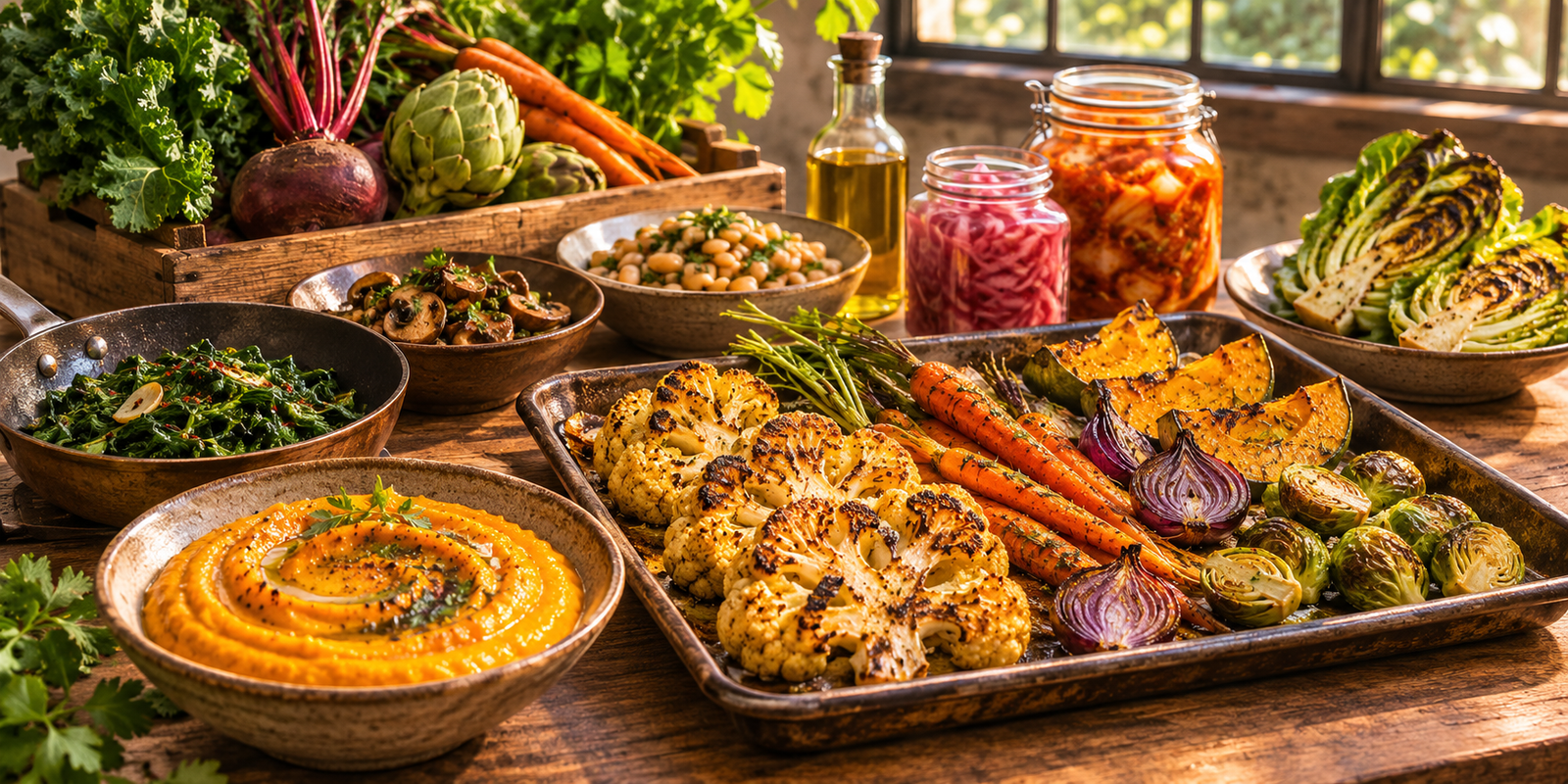
For most of my eating life, vegetables were the thing beside the thing. The chicken was the point; the broccoli was the apology next to it, boiled grey, salted late, eaten out of duty. It took becoming a cook — and, oddly, eating in the restaurants I loved most — to notice that the very best kitchens treat vegetables with exactly as much seriousness as meat. In San Sebastián I ate a plate of grilled spring onions that I thought about for weeks. In a three-star dining room the course I remember most clearly was a single, perfect, slow-cooked carrot. That reordered something in me. Vegetables aren’t the supporting cast. Cooked with real technique — roasted hard, charred, caramelised, seasoned with the same care you’d give a steak — they can be the most exciting thing on the plate. And they’re cheap, forgiving, and endlessly varied, which makes them the best possible place to practise.
This is also, increasingly, where the future of cooking is heading — more plants, less meat, for reasons of health, cost, and the planet. The good news is that making vegetables genuinely delicious is a learnable set of techniques, not a gift. Master a handful of methods and you’ll never serve a sad, dutiful side dish again. Here’s the whole toolkit, from the roasting tray to the fermentation jar.
The One Idea That Changes Everything
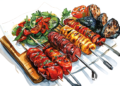
If you take a single lesson from this pillar, make it How to Make Vegetables Taste Great — the mindset shift that vegetables want aggression, not timidity: real heat, real salt, real browning. That principle expresses itself first through How to Roast Any Vegetable, the highest-impact, lowest-effort technique there is, turning almost anything sweet and golden-edged. Close behind is Grilling Vegetables for Char, where fire adds the smoky bitterness that makes a vegetable taste like a destination rather than a duty. These three together will transform your cooking faster than anything else in this guide.
The Everyday Green Skills
These are the workhorse moves you’ll use several times a week. How to Sauté Leafy Greens is the fast weeknight hero — garlic, oil, spinach or chard, two minutes — and Blanching and Shocking Greens keeps colour and bite vivid while letting you prep ahead like a pro. How to Steam Without a Steamer is the gentle method that needs no special kit, and How to Make Vegetable Purees turns humble roots into something silky and elegant. None of these are hard; they’re just the daily grammar of cooking vegetables well.
The Stars of the Vegetable Kingdom
Some vegetables reward a little dedicated attention with outsized pleasure. How to Cook Perfect Roast Potatoes is a national obsession for good reason — crisp shell, fluffy middle — and part of the wider craft of Roasting Roots and Tubers. Caramelising Onions Properly is the slow, patient magic behind countless dishes (and the one beginners always rush). Cooking with Mushrooms unlocks deep, meaty umami from humble fungi, and How to Prep and Cook Artichokes demystifies the one vegetable that genuinely intimidates people.
Cooking Without Meat at the Centre
Whether you’re going fully plant-based or just eating less meat, these are the skills that make vegetables satisfying enough to be the main event. Building a Plant-Based Protein Plate is the architecture — how to make a meatless meal that actually fills you up — while How to Cook Dried Beans unlocks the cheapest, most sustainable protein there is, far better than tinned once you know how. Mastering Tofu Textures turns a blank ingredient most people get wrong into something crisp, silky, or chewy at will, and Plant-Based Swaps for Meat Dishes is an honest guide to which substitutions genuinely work.
Preserving the Harvest
Learning to keep vegetables is where cooking meets thrift and a little alchemy. How to Pickle Quickly is an instant way to add bright acidity to any plate, Fermenting Vegetables at Home opens the living, tangy world of kraut and kimchi with almost no equipment, and the deeply practical Reviving Wilted Vegetables and How to Cook Seasonal Vegetables round out a philosophy of waste-nothing, eat-with-the-calendar cooking that I picked up watching Spanish cooks shop the mercado and never let go of.
The Best Place to Become a Cook
Here’s why I now tell every beginner to practise on vegetables rather than expensive meat: they’re cheap enough to fail with endlessly, varied enough to teach you every technique, and forgiving enough to rebuild your confidence after a disaster. And the payoff is real — once you can make a roasted cauliflower or a tray of charred broccoli that people actually fight over, you’ve learned something that transfers to everything else you cook. The vegetables I used to push to the edge of the plate are now, often, the reason I cook at all. Give them the heat, the salt, and the respect you’d give any main ingredient, and they’ll surprise you every single time.