Discover the history, unique atmosphere, signature dishes, and enduring charm of the Bouchon, Lyon’s iconic family-style restaurant that celebrates authentic French comfort food.
The first time I stepped into a traditional bouchon in Lyon, I immediately noticed that it felt different from any restaurant I had visited before. The dining room was lively, the tables were close together, and the aroma of slow-cooked meats, butter, garlic, and fresh herbs filled the air. Instead of elegant silence, there was laughter, conversation, and the clinking of glasses. It felt less like dining out and more like being welcomed into someone’s home.
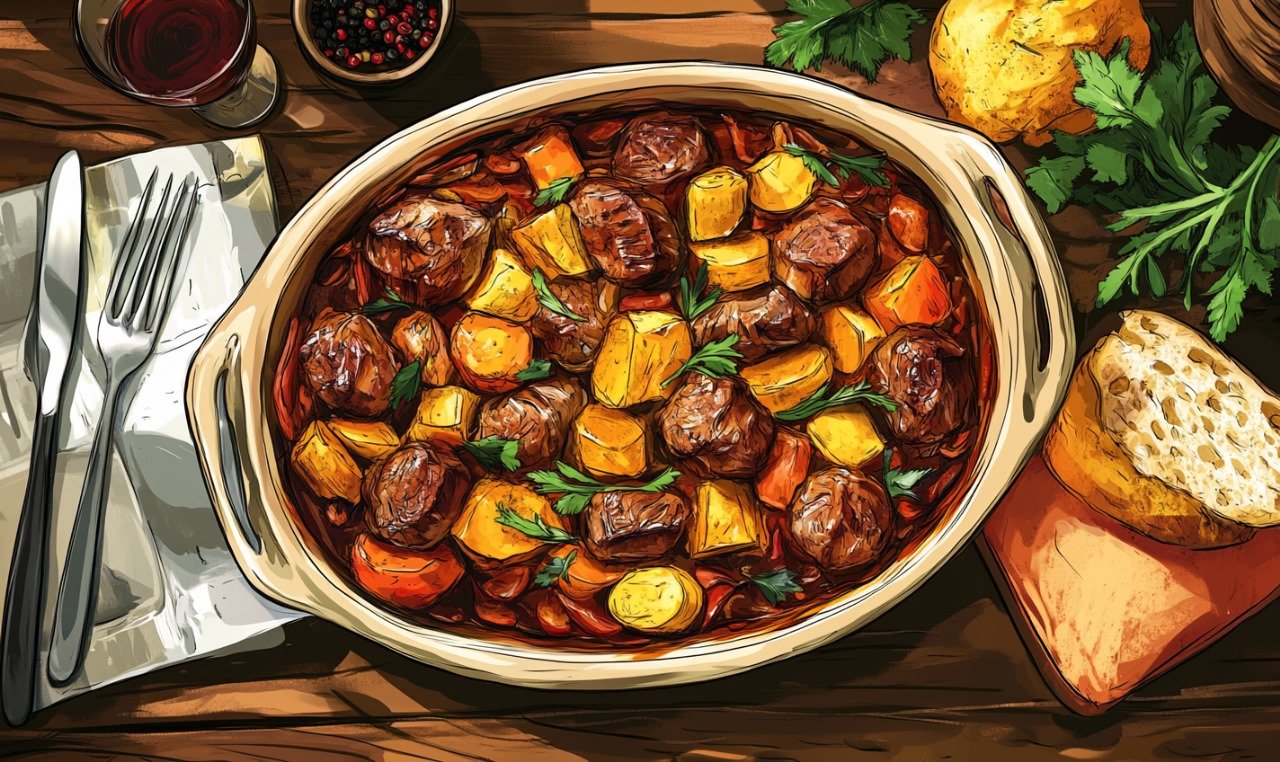
When my meal arrived—a plate of tender beef in red wine sauce with creamy potatoes—I understood why Lyon is often called the gastronomic capital of France. The food wasn’t elaborate or extravagant. It was honest, generous, and deeply satisfying. That experience showed me that some of the world’s best meals are built on tradition rather than luxury.
What Is a Bouchon?
A bouchon is a traditional restaurant found primarily in Lyon, France, serving hearty regional dishes in a warm and informal setting. Unlike fine dining establishments, bouchons focus on generous portions, rustic recipes, and friendly hospitality.
The menus feature classic Lyonnaise cuisine made with fresh local ingredients, slow-cooking techniques, and recipes that have been passed down through generations.
Today, authentic bouchons remain an important symbol of Lyon’s culinary identity and are treasured by both locals and visitors.
The Origins of the Bouchon
The history of the bouchon dates back to the 19th century when Lyon became an important center for trade, silk production, and transportation.
As merchants, workers, and travelers arrived in the city, small family-run restaurants began serving affordable, filling meals prepared from locally available ingredients.
Many of these establishments were run by the famous Mères Lyonnaises (“Mothers of Lyon”), talented female cooks who transformed simple regional recipes into exceptional meals. Their dedication to quality and hospitality helped establish Lyon’s worldwide reputation for gastronomy.
Over time, the bouchon became much more than a place to eat—it became a gathering place where people could enjoy good food, local wine, and lively conversation.
What Makes a Bouchon Unique?
Several characteristics distinguish a traditional bouchon from other French restaurants.
Warm and Informal Atmosphere
Bouchons are known for their welcoming environment. Tables are often placed close together, encouraging conversation among guests. The décor usually features wooden furniture, checkered tablecloths, vintage photographs, and rustic charm.
Traditional Lyonnaise Cuisine
Rather than offering elaborate tasting menus, bouchons specialize in regional comfort food prepared with classic techniques and seasonal ingredients.
Generous Hospitality
Meals are served with warmth and generosity, reflecting the belief that dining should be relaxed and enjoyable rather than formal or hurried.
These qualities make every visit feel authentic and memorable.
Signature Dishes of a Bouchon
The cuisine served in Lyon’s bouchons reflects the region’s agricultural heritage and appreciation for hearty cooking.
Popular dishes include:
- Quenelles de Brochet (pike dumplings)
- Saucisson Brioché (sausage baked in brioche)
- Coq au Vin
- Salade Lyonnaise
- Gratin Dauphinois
- Beef Bourguignon
- Poulet au Vinaigre
- Cervelle de Canut (herb cheese spread)
- Tarte aux Pralines
Many bouchons also serve charcuterie, pâtés, local cheeses, and seasonal vegetable dishes.
The Legacy of the Mères Lyonnaises
No discussion of Lyon’s food culture is complete without mentioning the Mères Lyonnaises.
These remarkable women left domestic service during the late 19th and early 20th centuries to open their own restaurants. They transformed traditional home cooking into celebrated regional cuisine and trained generations of chefs.
One of the most famous was Mère Brazier, who became the first woman to earn three Michelin stars and mentored legendary chef Paul Bocuse.
Their influence continues to shape Lyon’s culinary identity today.
Local Ingredients at the Center of Every Meal
The Rhône Valley provides an abundance of exceptional ingredients that define Lyonnaise cooking.
Common ingredients include:
- Butter
- Cream
- Fresh eggs
- Mushrooms
- Potatoes
- Onions
- Garlic
- Herbs
- Pork
- Chicken
- Freshwater fish
- Regional cheeses
These ingredients are transformed into comforting dishes through careful cooking rather than elaborate decoration.
Wine and the Bouchon Experience
A meal at a bouchon is often accompanied by wines from nearby regions such as Beaujolais, Côtes du Rhône, and Burgundy.
These wines complement the rich flavors of Lyonnaise cuisine without overpowering them. Local wine has always been an important part of the bouchon tradition, encouraging guests to linger at the table and enjoy conversation long after the meal has ended.
Whenever I’ve dined in a bouchon, I’ve noticed that nobody seems to rush. Courses arrive at a comfortable pace, conversations flow naturally, and the atmosphere encourages everyone to enjoy the experience rather than simply finish the meal.
Bouchons Today
Today, authentic bouchons continue to thrive despite the growth of modern restaurants.
Some are officially recognized by the Association des Bouchons Lyonnais, which helps preserve traditional recipes and maintain high standards of authenticity.
Although contemporary chefs occasionally introduce modern touches, the heart of the bouchon remains unchanged: honest food, generous hospitality, and a deep respect for Lyon’s culinary heritage.
Why the Bouchon Tradition Endures
What I admire most about the bouchon is its simplicity. It proves that unforgettable meals don’t always require luxurious ingredients or elaborate presentation. Instead, they rely on fresh local produce, traditional techniques, and genuine hospitality.
A visit to a bouchon offers more than delicious food—it offers a glimpse into Lyon’s history, its people, and its passion for bringing family and friends together around the table.
Whether you’re visiting Lyon or recreating its flavors at home, the bouchon tradition reminds us that the best meals are often those shared with others.
Traditional Salade Lyonnaise Recipe
Ingredients
- 200 g frisée lettuce or curly endive
- 150 g bacon lardons
- 2 eggs
- 2 slices rustic bread
- 2 tablespoons olive oil
- 1 tablespoon Dijon mustard
- 2 tablespoons red wine vinegar
- 3 tablespoons extra virgin olive oil
- Salt and freshly ground black pepper
Instructions
- Wash and dry the lettuce thoroughly.
- Fry the bacon until crisp and set aside.
- Toast the bread and cut it into croutons.
- Poach the eggs for about 3–4 minutes until the whites are set and the yolks remain soft.
- Whisk together the Dijon mustard, vinegar, olive oil, salt, and pepper to make the dressing.
- Toss the lettuce with the dressing.
- Arrange the lettuce on serving plates and top with the bacon and croutons.
- Place a poached egg on each salad.
- Serve immediately while the egg is still warm.
Serving Suggestions
Salade Lyonnaise makes an excellent entrée or light lunch. Pair it with crusty French bread and a glass of Beaujolais or sparkling water for an authentic Lyon-style meal.
Preparation Time: 15 minutes
Cooking Time: 15 minutes
Servings: 2–4