Italian cooking’s simplicity often confuses people outside Italy. Many assume it means quick meals, minimal effort, or plain food. However, Italians see simplicity very differently. For them, it represents a deliberate and disciplined culinary philosophy rooted in tradition, regional identity, and respect for ingredients. In fact, Italian cooking simplicity reflects mastery, not convenience.
Italian Cooking Simplicity Is a Philosophy, Not a Shortcut
First and foremost, Italian cooking simplicity does not rely on shortcuts. Instead, it focuses on intention. Over centuries, Italian cooks learned to strip dishes down to their essentials. As a result, each recipe highlights clarity rather than complexity.
Moreover, Italian cuisine avoids unnecessary additions. Cooks add ingredients only when they serve a purpose. Consequently, flavors remain focused, balanced, and honest. This restraint explains why Italian food feels timeless and deeply satisfying.
Few Ingredients Demand the Highest Quality
One of the most recognizable aspects of Italian cooking simplicity is the use of fewer ingredients. Typically, traditional recipes contain four to eight components. However, this limitation raises expectations.
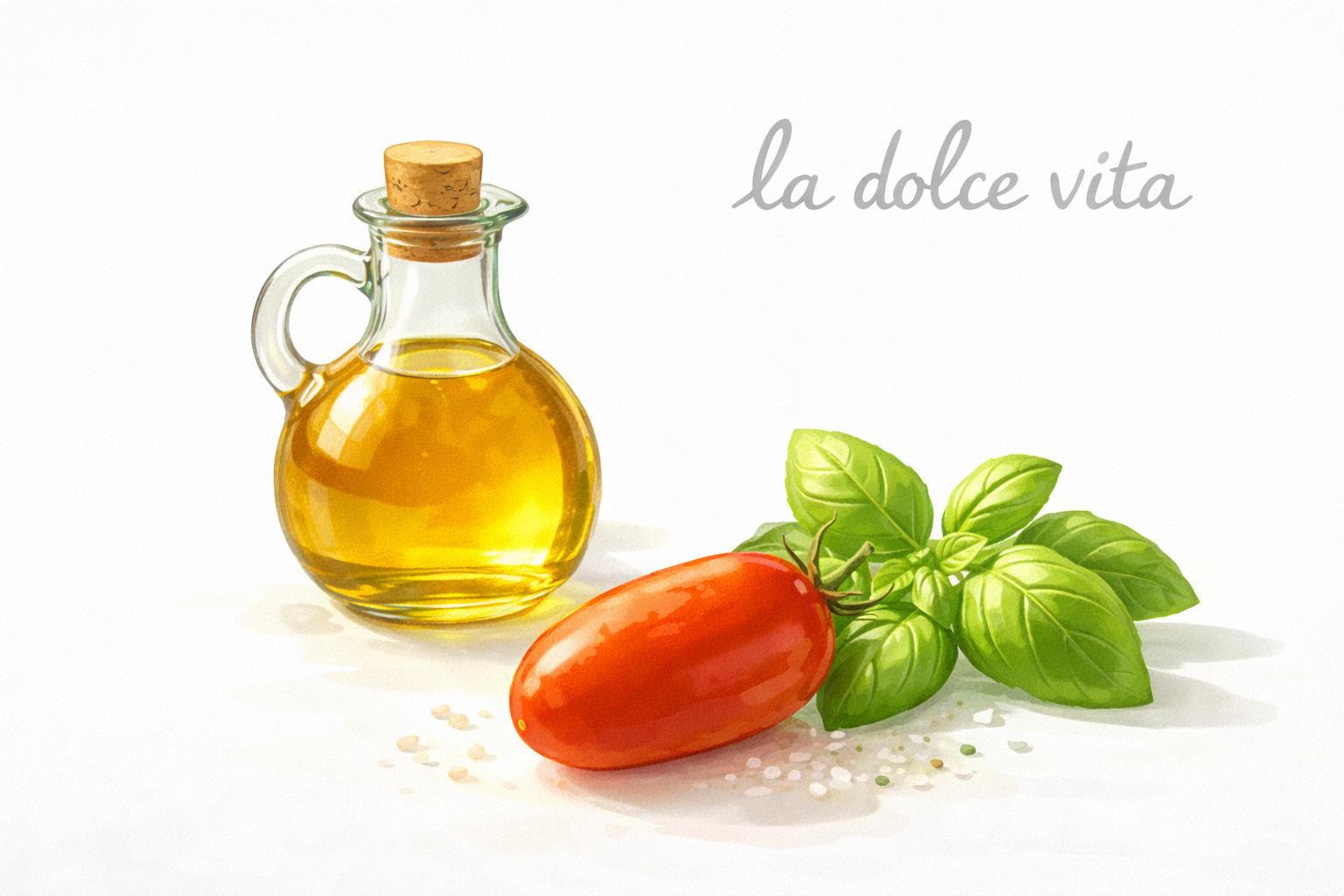
When a dish includes tomatoes, olive oil, garlic, and basil, each ingredient must perform perfectly. Therefore, Italians insist on high-quality extra-virgin olive oil, ripe seasonal tomatoes, and authentic regional cheese. With so few elements, flaws become obvious.
Additionally, seasonality plays a crucial role. Italian cooks follow nature’s rhythm rather than supermarket convenience. As a result, peak-season ingredients deliver intense flavor without artificial enhancements.
Technique Creates Depth Without Complexity
Although Italian food looks simple, technique drives its success. Italian cooking simplicity relies on precision rather than decoration.
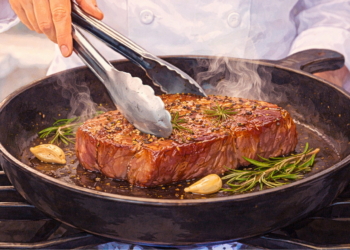
For example, soffritto requires slow, careful cooking to build flavor without overpowering a dish. Similarly, aglio e olio depends on strict temperature control. The cook must warm garlic gently in oil to release aroma without bitterness. Meanwhile, pasta must finish in its sauce so it absorbs flavor naturally.
Because of this approach, Italian cooks guide ingredients instead of controlling them. Overcooking or over-seasoning disrupts balance and diminishes quality.
Cucina Povera: The Foundation of Italian Simplicity
Historically, Italian cooking simplicity grew from cucina povera, or “the kitchen of the poor.” Families relied on what they had—beans, grains, vegetables, pasta, and stale bread.
As a result, dishes like ribollita, pasta e fagioli, and panzanella emerged. These meals demonstrate creativity, sustainability, and respect for resources. Rather than feeling limited, cucina povera proves that thoughtful cooking creates richness from simplicity.
Restraint, Timing, and Balance Matter
Ultimately, Italian cooking simplicity requires discipline. Cooks must know when to stop adding ingredients. Therefore, tasting continuously and adjusting gradually becomes essential.
Furthermore, Italians respect time. Sauces simmer patiently, and meals unfold in balanced courses rather than one heavy plate. This structure supports harmony and enjoyment instead of excess.
Why Italian Cooking Simplicity Equals Sophistication
Italian cuisine rejects the idea that more ingredients improve food. Instead, it values restraint. Excess cheese, heavy sauces, and overloaded toppings distract rather than enhance.
In the end, Italian cooking simplicity represents confidence. It trusts quality ingredients, precise techniques, and thoughtful restraint. For this reason, Italian food remains comforting, elegant, and timeless—simple by choice, sophisticated by design.