Tuscany and Unsalted Bread in Everyday Life
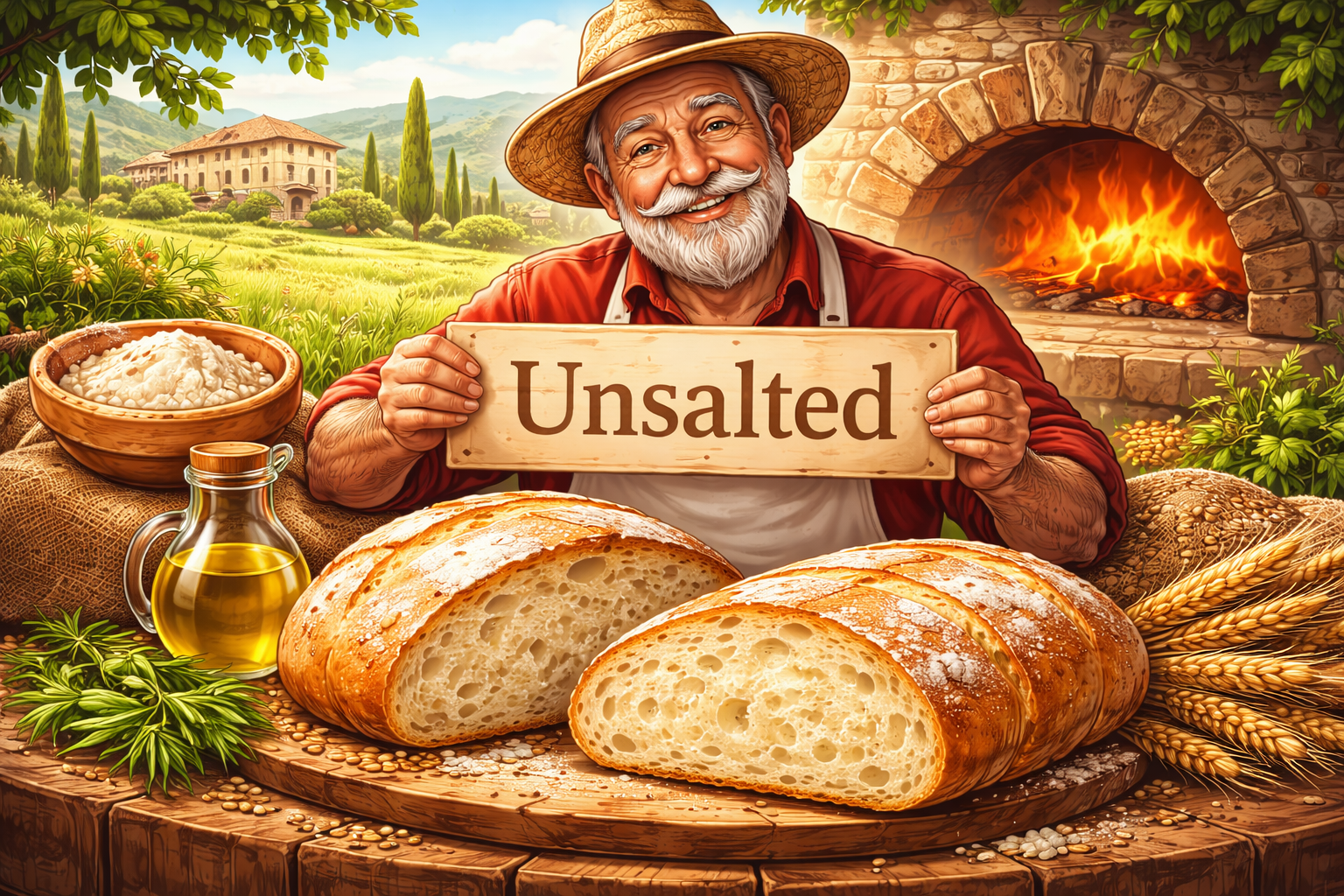
Tuscany and unsalted bread are deeply linked to the way food is eaten in the region. Visitors are often surprised by the lack of salt in Tuscan bread, but this absence is intentional. It reflects history, local ingredients, and a broader philosophy of balance at the table. Understanding this tradition means looking beyond taste alone and into how Tuscan meals are built.
Bread in Tuscany is not meant to stand alone. It plays a supporting role, designed to work with other foods rather than compete with them.
Tuscany and Unsalted Bread and Its Historical Roots
The story behind Tuscany and unsalted bread begins in the Middle Ages. During this time, salt was expensive and sometimes difficult to obtain due to taxes and political disputes. Rather than stop baking bread, Tuscan bakers adapted by removing salt from their recipes.
What began as a necessity slowly became habit. Over generations, people grew accustomed to the flavour and texture of saltless bread, and it became part of the region’s identity rather than a temporary solution.
Why Unsalted Bread Remained Part of Tuscan Cooking
Even when salt became readily available, the tradition remained. This is because Tuscan cuisine relies heavily on strongly flavoured ingredients. Cured meats, aged cheeses, anchovies, and bold olive oil all feature prominently on the table.
Unsalted bread balances these foods. Instead of adding more salt, it softens the overall flavour of a meal. This quiet role is exactly why the bread works so well in context.
Bread as an Ingredient, Not Just a Side
In Tuscany, bread is often reused rather than wasted. Stale loaves become the base for dishes like panzanella, ribollita, and pappa al pomodoro. These recipes depend on bread absorbing liquid and flavour from tomatoes, broth, and olive oil.
If the bread were salted, these dishes would quickly become overpowering. The lack of salt allows other ingredients to shine without excess.
Taste, Texture, and Subtlety
At first, unsalted bread can seem plain. But its flavour is subtle rather than empty. The wheat’s natural sweetness becomes more noticeable, and the chewy texture stands out. Tuscan loaves are often baked with a firm crust, making them ideal for dipping, soaking, and layering.
This approach reflects a broader Tuscan value: restraint. Flavour is spread thoughtfully across a meal instead of being concentrated in every bite.
How Unsalted Bread Shapes the Tuscan Table
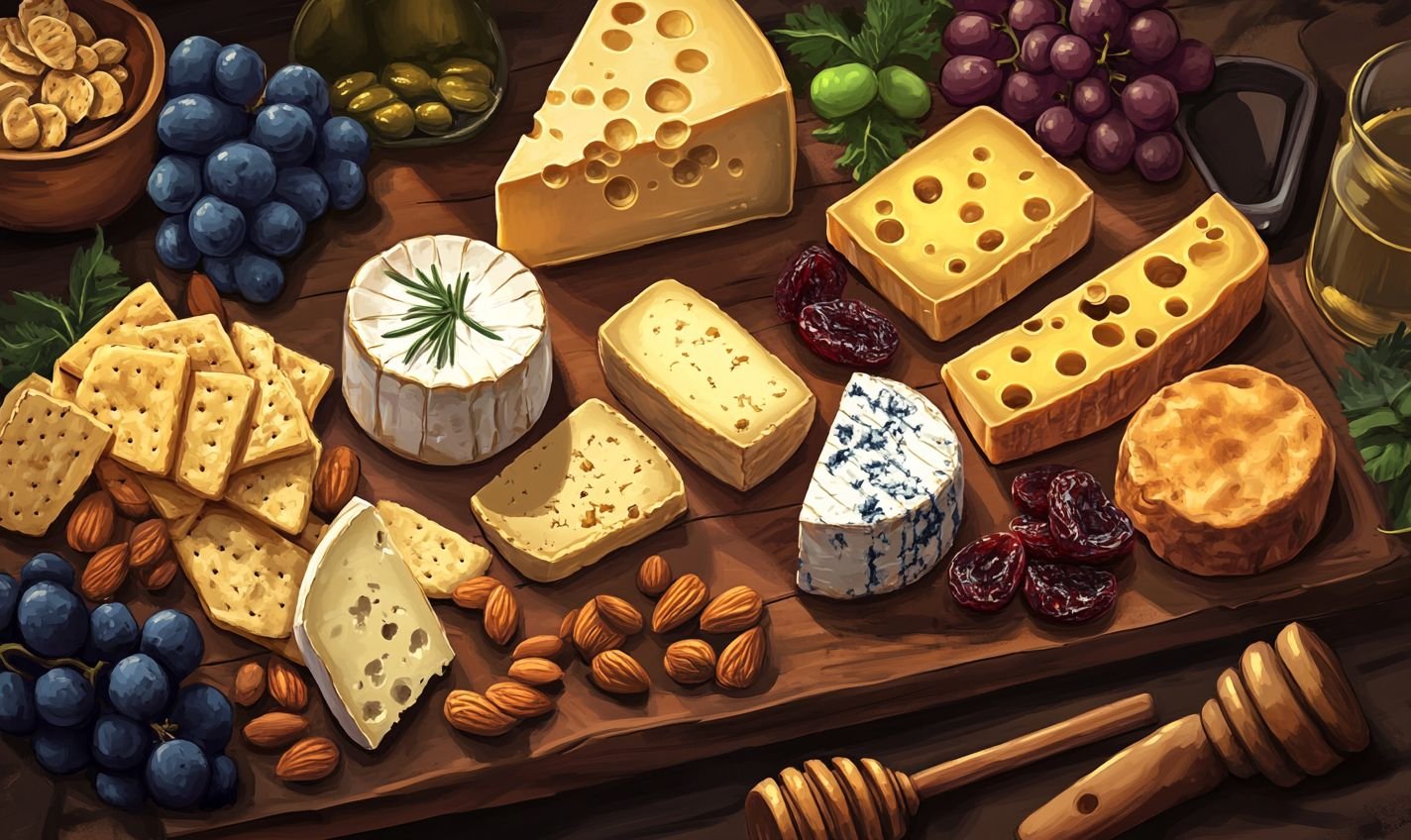
A traditional Tuscan meal makes the role of unsalted bread clear. It sits alongside salty pecorino, cured meats, olives, and rich olive oil. Each component supports the others, creating harmony rather than intensity.
Bread becomes the foundation that allows stronger flavours to feel balanced and complete.
Why the Tradition Still Matters Today
Modern bakers could easily add salt, but many choose not to. Unsalted bread remains a point of pride and regional identity. It signals a connection to history and a refusal to compromise tradition for convenience.
For those who learn to eat it as intended, the bread no longer feels lacking. It feels purposeful.
A Simple Choice With Lasting Meaning
The tradition of unsalted bread shows how food adapts to circumstance and endures through culture. What began as a response to scarcity became a defining feature of Tuscan cooking.
That simple loaf continues to teach a lesson about balance, adaptability, and respect for ingredients.