n busy kitchens around the world, sautéing is one of the most frequently used cooking techniques. Known in French as sauter, meaning “to jump,” sautéing refers to cooking food quickly in a small amount of fat over relatively high heat. The name reflects the movement in the pan — ingredients often “jump” or toss as they cook.
Unlike slow methods such as braising or confit, sautéing is about speed, control, and precision. When done properly, it produces lightly browned, flavourful food with tender texture and vibrant colour.
What is sautéing (sauter)?
Sautéing is a dry-heat cooking method that uses a shallow pan and a small amount of oil or butter to cook food quickly over medium-high to high heat. The ingredients are typically cut into small or uniform pieces so they cook evenly and rapidly.
The key characteristics of sautéing are:
- High heat
- Minimal fat
- Quick cooking time
- Frequent movement in the pan
Unlike frying, sautéing does not submerge food in oil. Instead, it relies on direct contact with a hot surface to create flavour.
The Science Behind Sautéing (sauter)
Sautéing works through surface browning and moisture evaporation. When food touches a hot pan, the Maillard reaction begins. Proteins and sugars react under heat to form complex flavour compounds.
At the same time, moisture on the surface evaporates quickly. This allows browning rather than steaming. If the pan is not hot enough, the food releases water and begins to steam instead of brown.
Because sautéing happens quickly, texture remains firm and fresh rather than soft or overcooked.
Preparing Ingredients for Sautéing
Preparation is crucial for success.
Cut Evenly
Uniform size ensures even cooking. Thin slices, small cubes, or bite-sized pieces work best.
Dry the Surface
Excess moisture prevents browning. Pat ingredients dry before placing them in the pan.
Season Lightly
Salt enhances flavour, but adding too much early may draw out moisture. Adjust seasoning at the end if necessary.
Efficient preparation allows the cooking process to move smoothly.
Choosing the Right Pan
A wide, heavy-bottomed pan is ideal for Sautéing (sauter). Stainless steel or cast iron distributes heat evenly and allows proper browning.
The pan should be large enough to hold ingredients in a single layer. Overcrowding lowers temperature and causes steaming.
Preheating the pan before adding fat ensures immediate contact with high heat.
Choosing the Right Fat
Because sautéing uses relatively high heat, select fats with suitable smoke points.
- Olive oil works well for vegetables and light dishes.
- Clarified butter offers flavour without burning quickly.
- Neutral oils such as sunflower or vegetable oil handle higher temperatures.
Only a small amount of fat is needed — just enough to coat the surface of the pan.
Step-by-Step: How to Sautéing (sauter)Properly
- Preheat the pan over medium-high heat.
- Add a small amount of oil or butter.
- Once the fat is hot but not smoking excessively, add the ingredients.
- Spread them in a single layer.
- Allow brief contact for browning before stirring or tossing.
- Continue cooking until lightly browned and tender.
Movement is important, but constant stirring is unnecessary. Allowing food to sit briefly encourages proper browning.
What Foods Are Best for Sautéing (sauter)?
Sautéing works particularly well with:
Vegetables
Onions, peppers, mushrooms, courgettes, spinach, and green beans all respond beautifully. Quick cooking preserves colour and texture.
Meat and Poultry
Thinly sliced chicken, beef strips, or prawns cook quickly and develop flavourful surfaces.
Aromatics
Garlic, shallots, and herbs are often sautéed first to build flavour for sauces and stews.
The technique suits tender ingredients that do not require long cooking times.
Sautéing (sauter) vs. Stir-Frying
Although similar, sautéing and stir-frying differ slightly.
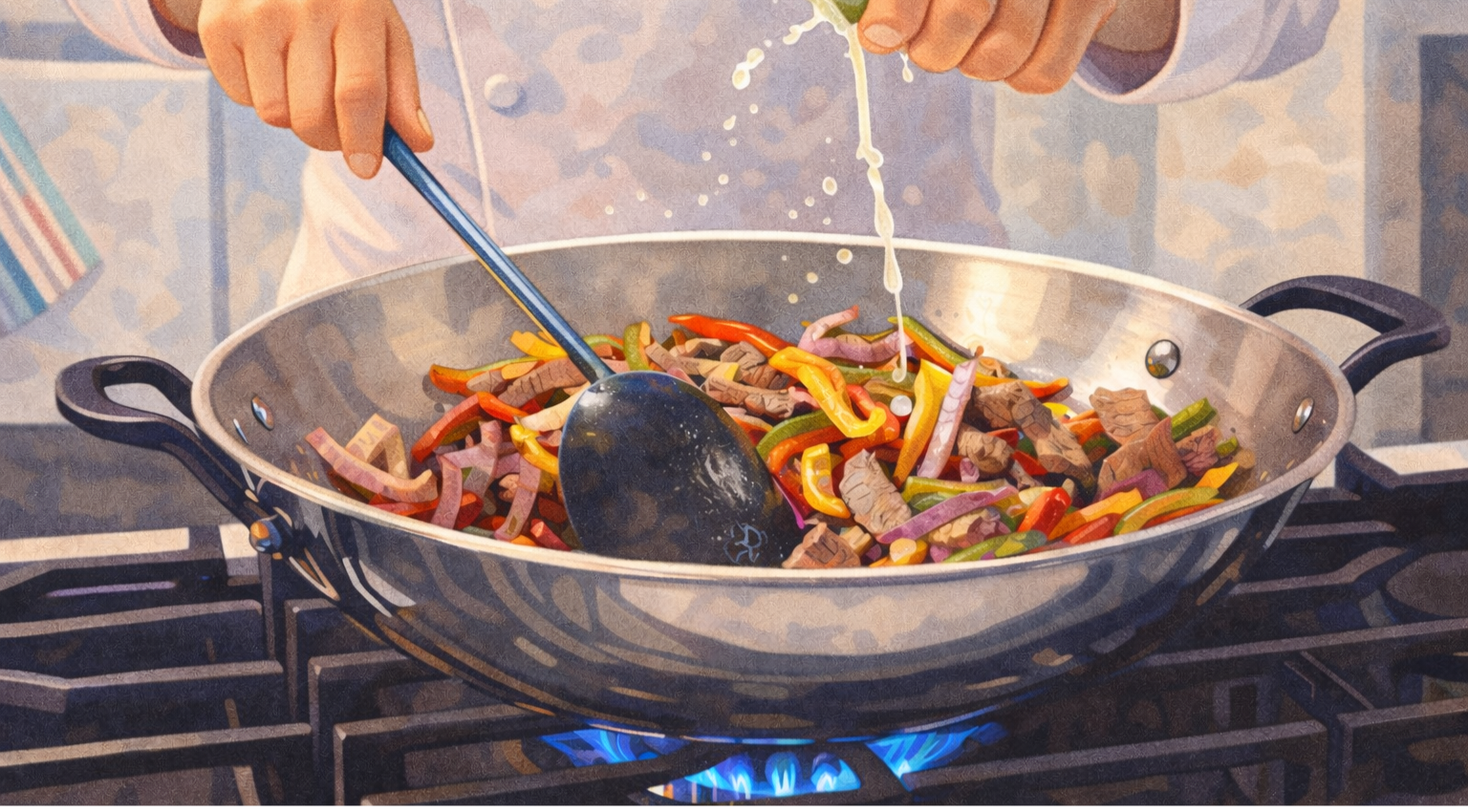
Stir-frying uses very high heat and constant movement in a wok, often with Asian-style sauces. Sautéing typically uses a flat pan and moderate-high heat, with slightly less agitation.
Both rely on speed and controlled heat, but sautéing allows more direct browning due to broader pan contact.
Common Mistakes to Avoid
Even simple techniques can go wrong without attention.
Overcrowding the Pan – Causes steaming instead of browning.
Low Heat – Prevents the Maillard reaction.
Burning Garlic – Garlic cooks quickly and becomes bitter if overheated.
Too Much Fat – Makes the dish greasy rather than lightly sautéed.
Monitoring heat and timing prevents these issues.
Building Flavour Through Sautéing (sauter)
Sautéing often serves as the foundation for larger dishes. For example:
- Sautéed onions form the base of soups and sauces.
- Browning chicken before adding stock enhances depth.
- Cooking mushrooms until golden intensifies their natural umami.
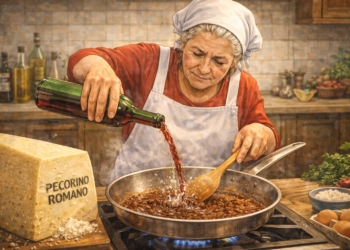
After sautéing, the pan may contain browned bits. Deglazing with wine or stock creates an instant sauce, linking sautéing with classical techniques.
Why Sautéing (sauter) Remains Essential
Sautéing is fast, efficient, and versatile. It allows cooks to prepare fresh, flavourful meals in minutes. It encourages attention to heat, timing, and ingredient preparation.
Because the method preserves texture and colour, it suits modern preferences for lighter, vibrant dishes. It also forms the base for countless recipes across cuisines.
Learning to sauté properly builds confidence in handling heat and understanding how ingredients react in the pan.
Final Thoughts: Speed with Skill
Sautéing (sauter) is the art of cooking quickly without losing control. It requires heat, movement, and awareness. When mastered, it produces dishes that are lightly browned, aromatic, and full of fresh flavour.
From simple sautéed greens to flavourful chicken strips, the technique proves that excellent cooking does not always require long hours — sometimes it requires precise minutes.
In the end, sautéing teaches one essential lesson: quick cooking can still deliver deep, satisfying flavour when guided by skill and attention.