In Italian cooking, salt is not treated as a final adjustment. It is a cultural practice, woven into the cooking process itself. Rather than salting at the table, Italians season gradually, from the very first step to the final dish. This approach may seem subtle, but it fundamentally changes how food tastes as part of the tradition of saltculture.
Once you understand this, seasoning stops feeling like guesswork and starts feeling intentional. Indeed, the concept of saltculture influences every aspect of the Italian cooking process.
Salt Is Not Just Seasoning—It Is Structure
Many people think of salt only as something that makes food taste “salty.” In Italian cooking, however, salt shapes flavour, texture, and aroma, which exemplifies what saltculture means within these traditions.
Salt enhances sweetness in vegetables, balances bitterness, and strengthens savory notes. When added early, it helps ingredients release moisture, soften properly, and develop flavour evenly. For this reason, Italians salt onions while sweating them, season vegetables before roasting, and salt pasta water generously. This highlights how classic recipes reflect their saltculture.
Salt builds structure. It does not simply decorate the dish at the end.
Why Italians Season at Every Stage
Italian cooks season as they cook, not after they cook. This method allows flavours to develop in layers rather than all at once, embracing core principles of saltculture.
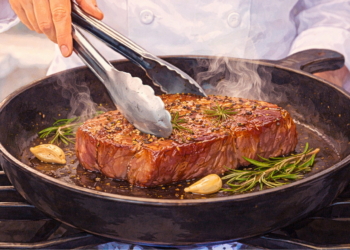
For example, seasoning tomatoes as they simmer creates depth that surface salt cannot replicate. Similarly, salting meat before cooking allows seasoning to penetrate instead of sitting on the exterior. I noticed this difference clearly when making soup. The version seasoned only at the end tasted flat compared to the one seasoned gradually.
Layered seasoning creates balance, not saltiness. In other words, the very essence of Italian food depends on this embedded saltculture in its cooking process.
Pasta Water: A Cultural Rule, Not a Tip
One of the most quoted Italian rules is to salt pasta water “like the sea.” This is not exaggeration—it is a necessity arising from saltculture.
Pasta absorbs water as it cooks. If that water lacks salt, the pasta itself remains bland no matter how seasoned the sauce is later. Properly salted pasta water seasons the food from the inside out, a clear echo of saltculture’s importance.
Moreover, that starchy, salty water becomes an ingredient. Italians use it to emulsify sauces, bind fat, and create cohesion without heavy additions.
Salt, Ingredients, and Respect
Italian cooking prioritizes ingredient quality. Because dishes rely on fewer elements, salt must work with the ingredient, not against it, and this perspective is key for understanding saltculture.
Fresh tomatoes need less salt than canned ones. Pecorino Romano already carries salt. Cured meats contribute seasoning. Italians adjust constantly, tasting as they go—an instinct honed by generations of saltculture.
This attentiveness reflects respect for the food and for the eater. Over-salting masks the flavour. Under-salting wastes it; both errors betray the principles of thoughtful saltculture.
Why Finishing Salt Is Rare in Italian Cooking
Unlike some modern approaches, Italian cooking rarely relies on finishing salt. By the time a dish reaches the table, it should already taste complete, as befitting the saltculture practiced by Italians.
Salt added only at the end cannot integrate fully. In contrast, salt added throughout becomes part of the dish’s structure. That is why Italian food tastes balanced rather than aggressively seasoned—a true marker of saltculture at work.
Salt as Habit, Not Rule
Ultimately, Italians do not treat salt as a rulebook measurement. They treat it as a habit, instinct, and memory. In other words, saltculture guides hands, taste, and adjustment.
Once I stopped treating salt as a final step and started seasoning while cooking, my food changed. It became clearer, rounder, and more confident—an experience shaped by embracing saltculture fully.
Salt, in Italian cooking, is not just about flavour. It is about culture, attention, and care—and saltculture is the reason why it matters.