Rioja and food pairing works best when you think about balance rather than rules. Rioja wines, produced in northern Spain, are known for being friendly at the table. They rarely overpower food and often feel comfortable alongside everyday meals.
Understanding how Rioja behaves with food helps you enjoy both more fully. You don’t need expert knowledge—just a sense of weight, texture, and flavour.
Rioja and Food Pairing Begins With Wine Style
The most important thing to understand is that Rioja comes in different styles. Red Rioja can be young and fruity or aged and complex. White Rioja may feel fresh and crisp or richer and textured, depending on how it’s made.
Young wines usually taste bright and lively. Aged wines develop smoother tannins and deeper flavours such as spice, vanilla, and dried fruit. These differences matter far more than price when choosing food.
Once you recognise style, pairing becomes much easier.
How Red Wines Match Everyday Dishes
Rioja reds work well with food because they tend to sit in the middle—not too light and not too heavy.
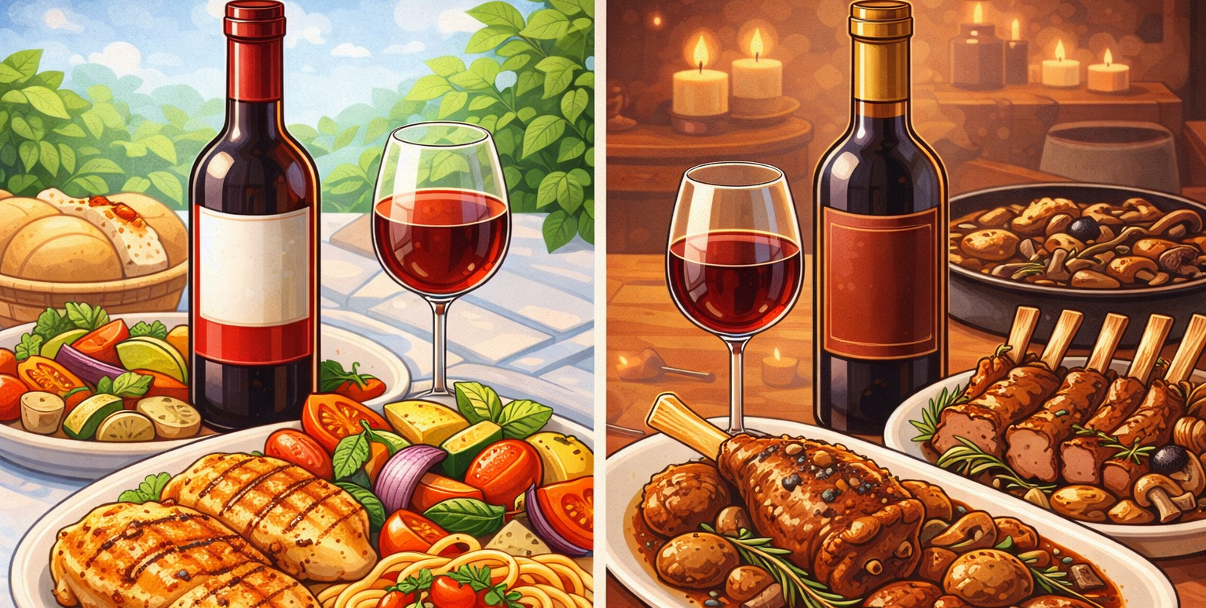
Younger reds pair nicely with roasted vegetables, grilled chicken, and simple pasta dishes. Their fruit-forward nature lifts flavours without taking control. Older reds suit richer food such as lamb, slow-cooked stews, or mushrooms. The wine’s softness mirrors the depth of the dish.
Matching weight rather than flavour creates the best results.
Traditional Spanish Meals and Natural Pairings
Many classic Spanish dishes feel effortless with Rioja. This connection developed naturally, as wine and food evolved together.
Dishes with chorizo, beans, or tomatoes benefit from Rioja’s acidity, which cuts through richness while keeping flavours balanced. Even simple plates like tortilla española feel more complete with a glass of Rioja alongside.
These combinations show how wine can support food instead of competing with it.
Where White Rioja Fits at the Table
White Rioja often surprises people. Some styles feel light and citrus-led, while others show nutty, creamy notes from ageing.
Fresh white Rioja pairs well with fish, vegetables, and salads. Richer versions work with roasted poultry, creamy sauces, or grilled seafood. Because these wines combine acidity with texture, they handle food confidently.
This versatility makes white Rioja useful year-round.
Why Rioja Feels Comfortable With Food
One reason Rioja pairs so easily is tannin control. Rioja reds usually have smooth, integrated tannins rather than sharp edges.
That softness prevents clashes with food. Cheese, for example, feels more balanced because the wine doesn’t dry the mouth. Meals stay enjoyable from start to finish.
This comfort explains why Rioja appears so often at shared tables.
Simple Pairing Tips for Home Meals
You don’t need to overthink pairing. Start by noticing how heavy the food feels. Light dishes suit younger wines. Rich dishes suit older ones.
Serve Rioja slightly cooler than room temperature to keep it fresh. Let the food lead, and choose a wine that feels similar in weight. Rioja usually adapts well.
What Rioja Teaches About Wine and Food
Rioja shows that good wine doesn’t need to impress. It needs to belong.
That philosophy makes Rioja ideal for relaxed, generous meals where food and conversation matter most.