DOWNLOAD IOS
DOWNLOAD ANDROID
  • About
    Us
  • Home
    Cooks
  • Pro-Chefs &
    Enthusiasts
  • Food
    Historians
  • Sustainability
    Advocates
  • Curious
    Learners
  • Science
    Nerds
No Result
View All Result
  • About
    Us
  • Home
    Cooks
  • Pro-Chefs &
    Enthusiasts
  • Food
    Historians
  • Sustainability
    Advocates
  • Curious
    Learners
  • Science
    Nerds
No Result
View All Result
cookdom.blog
No Result
View All Result
Home Uncategorized

Pasta as a System, Not a Dish

by Som Dasgupta
February 2, 2026
in Uncategorized
Reading Time: 2 mins read
0
0
Pasta as a System, Not a Dish
0
SHARES
0
VIEWS
Share on FacebookShare on TwitterShare on Reddit

Pasta in Italy is not merely food; it is a logic. Every shape, sauce, and technique exists for a reason.

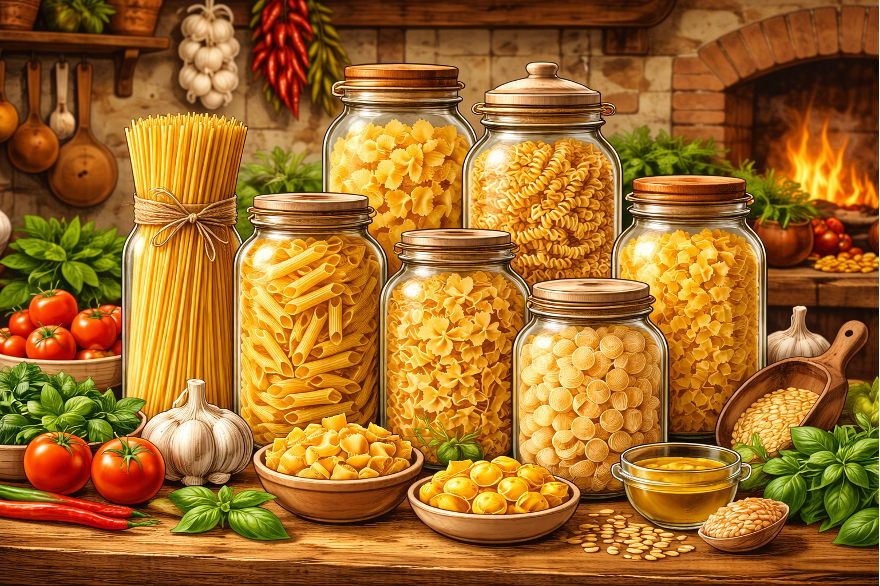
Start with the shapes. Long strands like spaghetti or linguine are designed for smooth, coating sauces — olive oil, garlic, tomato, or butter. Tubular shapes like rigatoni or mezze maniche are meant to trap thicker sauces inside their ridges. Ribbon pastas like tagliatelle pair beautifully with ragù because their broad surface can carry richness without breaking.

Then there is the question of fresh versus dried. Fresh pasta, made with eggs, is tender and delicate — perfect for stuffed shapes or luxurious butter sauces. Dried pasta, made from durum wheat, has structure and bite, ideal for everyday cooking and bold sauces.

Technique is what transforms pasta from carbohydrate into cuisine. Proper salting of water, cooking to al dente, and finishing in the sauce are not pedantic rules — they are what allow flavour to penetrate rather than sit on top. Pasta should taste seasoned from within, not merely dressed.

Sauce is not decoration; it is architecture. A great pasta dish is balanced between three things: the starch of the pasta, the fat of the sauce, and the liquid that binds them. This is why pasta water is sacred — its starch helps emulsify oil and cheese into something glossy and unified.

Cheese, too, is structural. Parmigiano or pecorino is often melted gently into the sauce rather than scattered on top, creating creaminess without separation. When this works, the pasta feels cohesive, not layered.

Seen this way, pasta becomes a framework you can think with. Once you understand how shape, sauce, and technique interact, you can cook beyond recipes — pairing ingredients intuitively rather than mechanically.

This is why Italian chefs treat pasta almost like grammar. Master the system, and you can speak fluently. Miss the logic, and even famous recipes can fall flat.

Pasta is therefore not a dish Italy serves — it is a way Italy thinks.

Previous Post

Regions of Italy in Food

Next Post

An Introduction to Italian Cooking

Som Dasgupta

Som Dasgupta

Next Post
An Introduction to Italian Cooking

An Introduction to Italian Cooking

Leave a Reply Cancel reply

Your email address will not be published. Required fields are marked *

Newsletter

Cookdom App

Popular

  • An Introduction to Italian Cooking

    An Introduction to Italian Cooking

    4 shares
    Share 2 Tweet 1
  • Italian Cooking as a Way of Thinking

    2 shares
    Share 1 Tweet 1
  • Markets as Culinary Classrooms

    1 shares
    Share 0 Tweet 0
  • Neapolitan Margherita Pizza

    1 shares
    Share 0 Tweet 0
  • Garlic: Raw, Softened, Browned — Three Different Flavours

    1 shares
    Share 0 Tweet 0
  • Why Anchovies Melt into Sauces

    0 shares
    Share 0 Tweet 0

About Us

  • Mission
  • Platform
  • Methodology
  • FAQs
  • Contact Us

Cooking

  • Courses
  • French
  • Indian
  • Italian
  • Spanish

Privacy

  • Policy
  • Terms and Conditions
  • Community Guidenlines

Community

  • Facebook
  • X
  • Instagram
  • TikTok
  • Reddit
  • Linkedin
  • Pinterest
  • © Cookdom, Inc.
  • Terms of Service
  • Privacy Policy

Welcome Back!

Login to your account below

Forgotten Password?

Retrieve your password

Please enter your username or email address to reset your password.

Log In
No Result
View All Result
  • About Us
  • Home Cooks
  • Pro-Chefs &
    Enthusiasts
  • Sustainability
    Advocates
  • Science Nerds
  • Food
    Historians
  • Curious
    Learners
  • DOWNLOAD IOS
  • DOWNLOAD ANDROID
  • Login