If you walk into a kitchen in Italy, you won’t find a spice rack filled with fifty different dusty jars. Instead, you will find a few fresh items that pack a massive punch. Many people think great cooking requires complex secrets, but the truth is much simpler. Learning how Italians season during cooking is about respecting the main ingredient rather than hiding it.
The Fresh Foundation of Italian Flavor Enhancers
The most important rule in an Italian kitchen is to use what is fresh. This philosophy is the core of how Italians season during cooking. Most cooks start their meals with a “holy trinity” of vegetables known as soffritto. This is a mix of finely chopped onions, carrots, and celery. They sauté these in high-quality olive oil until they are soft and fragrant.
Furthermore, fresh herbs are vital Italian flavor enhancers. Instead of using dried flakes, an Italian cook reaches for a handful of fresh basil, flat-leaf parsley, or woody rosemary. For example, if you are making a simple tomato sauce, you add the basil at the very end. This keeps the scent bright and prevents the herb from turning bitter. By using fresh plants, the dish tastes alive and vibrant.
Using Salt and Fat as Italian Flavor Enhancers
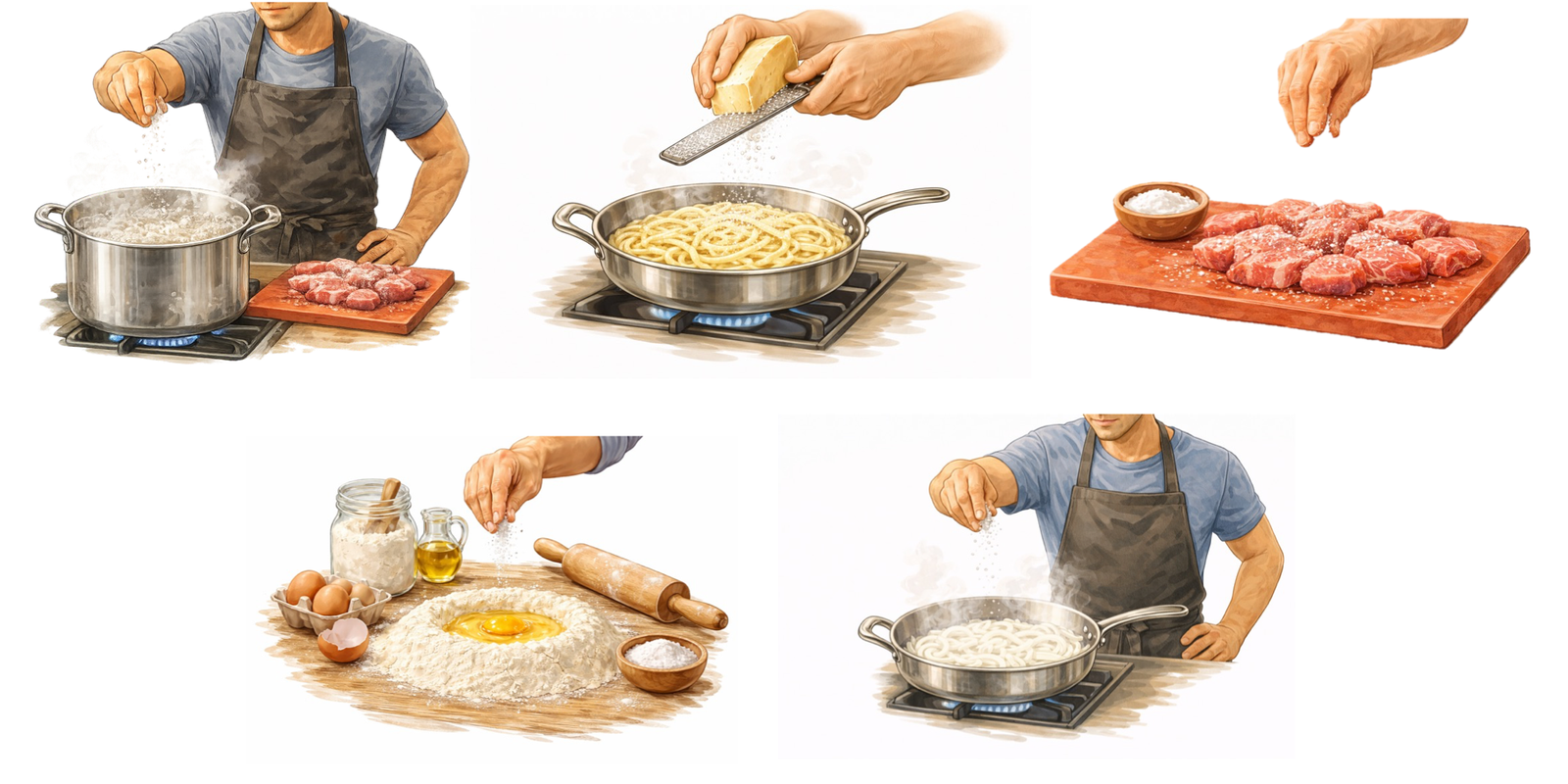
Salt is not just a seasoning in Italy; it is a tool used at specific times. When you watch how Italians season during cooking, you will notice they salt their pasta water until it tastes like the sea. This ensures the pasta itself has flavor before it ever touches the sauce. However, they are very careful with salt in the sauce because they often use salty ingredients like Pecorino Romano cheese or anchovies to add depth.
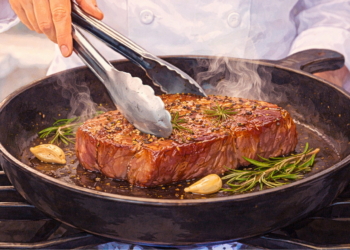
Additionally, olive oil acts as a liquid seasoning. Italians do not just use it for frying; they use it as a “finishing” touch. A drizzle of raw, peppery extra virgin olive oil on top of a finished soup or a grilled steak changes everything. These Italian flavor enhancers provide a silky texture and a rich aroma that dried spices simply cannot match. This layer of fat carries the flavor of the herbs to your taste buds more effectively.
The Power of Acid and Aged Ingredients
Another secret to how Italians season during cooking is the use of acidity. A splash of dry white wine can brighten a heavy risotto, while a drop of balsamic vinegar can make a strawberry or a piece of parmesan cheese pop. These acids cut through richness and keep your palate excited for the next bite. Moreover, Italians use aged ingredients like sun-dried tomatoes or olives to add a concentrated “umami” punch to their stews.
These Italian flavor enhancers work together to create balance. If a dish feels too heavy, a squeeze of lemon or a bit of zest is the traditional fix. Italian cooking teaches us that you do not need a cabinet full of exotic spices. If you have salt, good oil, fresh herbs, and a little bit of acid, you have everything you need to cook like a pro.
SEO Details