Galician seafood traditions are shaped by the Atlantic Ocean and a deep respect for the sea. Galicia, in north-west Spain, has one of the richest coastal food cultures in Europe. Here, seafood is not treated as a luxury but as an everyday ingredient, cooked simply and eaten with appreciation.
Meals often focus on freshness rather than technique. The goal is to let the seafood taste like the place it comes from, not to disguise it with heavy sauces or spices.
Galician Seafood Traditions and Life by the Atlantic
Galician seafood traditions developed alongside fishing communities that depended on the sea for survival. The rugged coastline, known as the Costa da Morte and the sheltered rías (coastal inlets), provides ideal conditions for shellfish, fish, and seaweed.
Families have passed down knowledge of tides, seasons, and species for generations. This close relationship with nature explains why Galician cooking feels calm and respectful. People eat what the sea offers at that moment, rather than forcing availability.
Galician Coastal Cuisine Values Freshness Above All
Galician coastal cuisine places freshness at the centre of every dish. Seafood often travels only a short distance from water to kitchen.
For example, octopus (pulpo) may be cooked the same day it is caught. Mussels are steamed until they just open. Clams are served lightly cooked so they retain their natural sweetness. Because the ingredients are fresh, cooking remains minimal.
Salt, olive oil, and sometimes paprika are often enough.
Why Simplicity Defines Galician Seafood Traditions
One of the most striking things about Galician seafood traditions is their simplicity. Recipes rarely involve long ingredient lists.
Take pulpo a la gallega. The octopus is boiled, sliced, sprinkled with salt and paprika, then finished with olive oil. There are no complex sauces, yet the dish feels complete and comforting.
This simplicity allows the texture and flavour of the seafood to stand out. Nothing distracts from the main ingredient.
Shellfish Plays a Central Role in Galician Coastal Cuisine
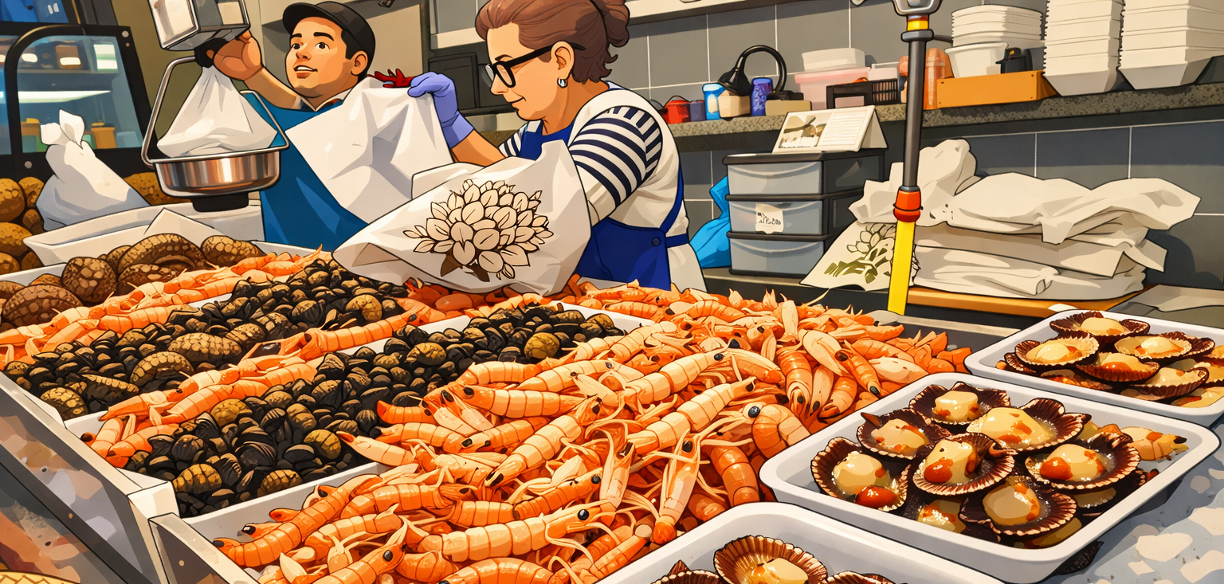
Galicia is famous for its shellfish. Clams, cockles, goose barnacles (percebes), scallops, and prawns appear frequently at the table.
Goose barnacles, in particular, show how Galician coastal cuisine respects nature. They grow on dangerous rocky shores, and harvesting them requires skill and bravery. Because of this, they are treated with care and cooked very simply.
Usually, they are boiled briefly in seawater and eaten plain.
How Galician Seafood Is Shared at the Table
Seafood meals in Galicia are often shared. Large platters sit in the centre of the table, encouraging conversation and slow eating.
This style of eating reflects community values. Food supports social connection rather than formality. Wine, usually a crisp local white, accompanies the meal without stealing attention.
Sharing reinforces the idea that seafood is part of daily life, not a special occasion reserved for restaurants.
Why Galician Seafood Traditions Feel Light but Satisfying
Galician seafood traditions feel light because they rely on gentle cooking and natural flavours. At the same time, they are satisfying because seafood provides richness and texture without heaviness.
Boiled, grilled, or lightly steamed seafood fills you up without making you feel tired. That balance suits the coastal climate and long meals enjoyed with family and friends.
What Galician Seafood Traditions Teach About Cooking
These traditions show that good cooking does not require complexity. Respect for ingredients, seasonality, and restraint often produces the best results.
By trusting the quality of seafood and avoiding unnecessary additions, Galician cooking creates food that feels honest and nourishing.