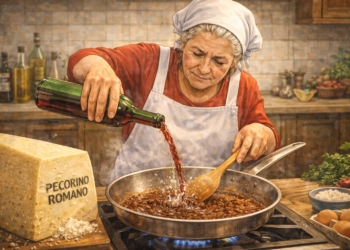
Few cooking methods feel as luxurious and traditional as confit. Rooted in French culinary heritage, it transforms humble ingredients through slow cooking in fat, creating tender texture and deep, concentrated flavour. While many people associate confit with duck legs, the technique extends far beyond poultry.
At its heart, it is about patience. It is a method that values low heat, careful timing, and preservation. When done properly, confit produces food that is meltingly soft inside, delicately crisp outside, and richly infused with flavour.
What Does Confit Mean?
The word confit comes from the French verb confire, meaning “to preserve.” Traditionally, this referred to food that had been slowly cooked and stored in fat as a preservation method. Before refrigeration, this technique allowed meat to last for weeks or even months.
Today, it still relies on the same principles, though it is often used more for flavour and texture than for storage. The ingredient — commonly meat, but sometimes vegetables or fruits — is gently cooked submerged in fat at a low temperature.
Unlike frying, it does not brown food quickly. Instead, it cooks slowly and evenly.
The Science Behind Confit
Confit works through low-temperature fat cooking. Typically, the food cooks between 85°C and 120°C. At this gentle heat, connective tissues in meat gradually break down, turning collagen into gelatin. This process creates an exceptionally tender texture.
Because the food is fully submerged in fat, it cooks evenly without exposure to air. The fat acts as both a cooking medium and a protective barrier. In traditional preservation, once cooled and stored under a layer of solidified fat, the food remained sealed from oxygen and bacteria.
Modern kitchens often use refrigeration, but the technique itself remains unchanged.
Duck Confit: The Classic Example
Duck confit is the most famous example of this method. Duck legs are first cured with salt, garlic, and herbs such as thyme. The curing stage draws out moisture and seasons the meat thoroughly.
After curing, the legs are rinsed and slowly cooked in duck fat for several hours. The temperature remains low enough to avoid frying. When finished, the meat becomes tender enough to fall off the bone.
To serve, the duck leg is removed from the fat and crisped in a hot pan or oven. The result is crisp skin with succulent interior — a contrast that defines good confit.
Confit Beyond Duck
Although duck remains traditional, confit works beautifully with other ingredients.
Chicken Confit
Chicken thighs can be prepared similarly, offering a lighter version of the classic.
Garlic Confit
Garlic cloves slowly cooked in olive oil become soft, sweet, and spreadable. The oil itself absorbs flavour and can be used for dressings.
Tomato Confit
Cherry tomatoes cooked gently in olive oil with herbs develop concentrated sweetness and silky texture.
Fruit Confit
In pastry, fruits cooked slowly in sugar syrup also fall under the broader meaning, focusing on preservation and flavour concentration.
The versatility makes it both traditional and adaptable.
Step-by-Step: How to Make Meat Confit
While it may sound complex, the process follows clear stages:
- Season the meat generously with salt and herbs.
- Allow it to cure in the refrigerator for several hours or overnight.
- Rinse and pat dry.
- Submerge completely in fat in a heavy pot.
- Cook gently at low temperature until tender.
- Cool in the fat before storing or crisping for serving.
Temperature control is essential. The fat should never reach a frying temperature. Instead, it should appear calm, with only gentle movement.
Choosing the Right Fat
The fat used in confit influences flavour. Duck fat is traditional for duck confit because it complements the meat naturally. However, other fats work as well:
- Olive oil for vegetables or garlic
- Chicken fat for poultry
- Neutral oils for milder flavour
The key requirement is that the fat fully covers the ingredient. Partial exposure can cause uneven cooking.
The Difference Between Confit and Frying
Although both use fat, confit and frying are entirely different techniques. Frying uses high heat to create rapid browning and crisp texture. Confit uses low heat to cook gently without browning.
In confit, the goal is tenderness and preservation. Browning typically occurs later during reheating or crisping. Understanding this distinction prevents common mistakes.
Common Mistakes to Avoid
Because confit requires patience, rushing can lead to poor results.
Too High Temperature – Overheating turns the process into frying.
Incomplete Submersion – Meat must be fully covered by fat.
Insufficient Curing – Skipping the salt stage reduces flavour and preservation quality.
Improper Storage – If preserving, ensure the meat remains sealed beneath solidified fat.
Attention to detail ensures authenticity and safety.
Modern uses
Today, chefs use confit for both flavour and texture innovation. Garlic confit spreads on bread. Tomato confit enriches pasta. Confit duck appears in salads, cassoulet, and gourmet sandwiches.
The technique also reflects a sustainable philosophy. In earlier centuries, preserving meat through confit reduced waste and maximised resources. Even now, it encourages mindful cooking.
Why it Remains Relevant
In a world of fast cooking methods, it stands as a reminder that flavour deepens with time. It rewards patience and respect for ingredients. The method transforms simple components into something refined and memorable.
Beyond technique, confit teaches control over heat and texture. It demonstrates how gentle cooking can achieve extraordinary tenderness without harsh treatment.
Final Thoughts: Slow Cooking, Lasting Flavour
Confit is more than a recipe; it is a tradition. It preserves, enriches, and transforms. Whether preparing duck legs, garlic cloves, or sweet fruits, the method remains consistent: low heat, full immersion, and patience.
When mastered, it offers both rustic comfort and culinary elegance. It invites you to slow down, trust the process, and discover how time and care can turn simple ingredients into something remarkable.