Introduction: A Dish Built for Long Days
Cocido madrileño is the opposite of hurried cooking. It is a dish that asks for time, patience, and respect, rewarding the cook with layers of flavor and warmth. In Madrid, cocido madrileno is not merely a meal but a ritual, especially during cold months when the city slows down just enough to appreciate a long lunch. I first encountered cocido madrileno in a small neighborhood restaurant where the pot had clearly been simmering since morning, filling the room with a comforting aroma that felt almost nostalgic, even to a first-time visitor.
Historical Origins and Social Context
The roots of cocido madrileño stretch back to medieval Spain, where slow-cooked stews sustained working families through harsh winters. Its earliest ancestor, the olla podrida, was a humble mixture of legumes, vegetables, and meats cooked together for hours. Over time, Madrid shaped its own identity around the dish, refining ingredients and establishing a recognizable structure. Cocido became a social equalizer, served in aristocratic homes and modest taverns alike, proving that hearty food belongs to everyone. Furthermore, cocido madrileno is celebrated as an essential part of Madrid’s culinary heritage.
Ingredients That Define the Dish
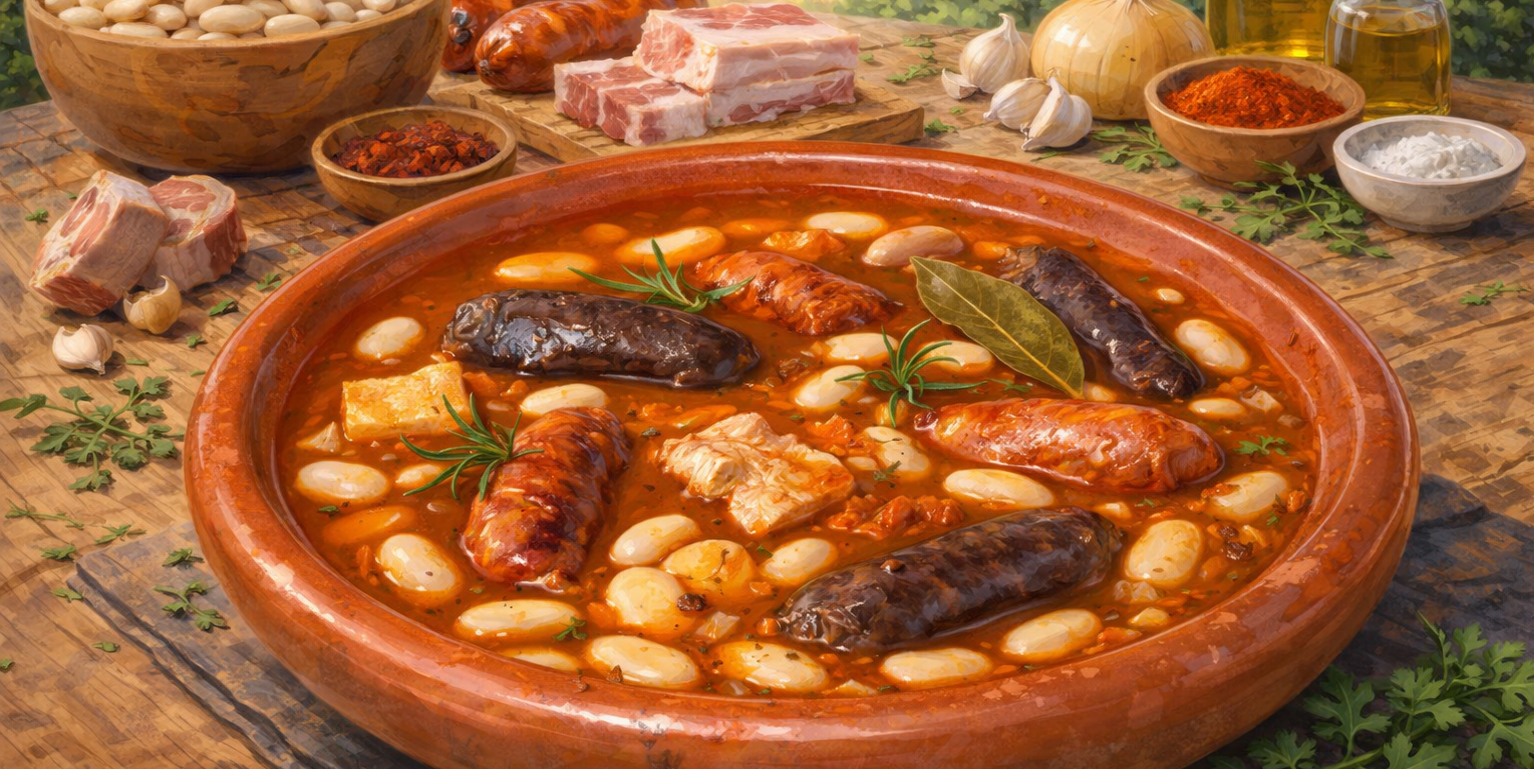
What distinguishes cocido madrileño is its generous yet deliberate selection of ingredients. Chickpeas are the foundation, traditionally soaked overnight and prized for their creamy texture after long cooking. Various cuts of meat, including beef, pork, and sometimes chicken, contribute richness and depth, while cured meats add salt and intensity. Vegetables such as cabbage, carrots, and potatoes balance the heaviness, ensuring the stew remains wholesome rather than overwhelming. Each ingredient has a role, and removing one alters the soul of cocido madrileno.
The Three-Course Tradition
One of the most fascinating aspects of cocido madrileño is how it is served in “tres vuelcos,” or three courses. First comes the broth, strained and served as a simple noodle soup, warming the stomach and preparing the palate. Next, the chickpeas and vegetables are presented, often dressed lightly with olive oil. Finally, the meats arrive, rich and satisfying, marking the climax of the meal. When I experienced this for the first time, I realized cocido is not rushed; it teaches diners to slow down and savor. As a result, cocido madrileno has developed a reputation as a dish meant to be enjoyed slowly.
Technique, Time, and Respect
Cooking cocido is an exercise in patience. The pot simmers gently for hours, never aggressively boiling, allowing flavors to merge gradually. Skimming the surface, adjusting seasoning, and timing the addition of vegetables require attention and care. Many Madrileños insist that cocido tastes better the next day, once flavors have fully settled, a belief I found undeniably true after reheating leftovers that somehow tasted even richer. In summary, cocido madrileno embodies both culinary tradition and comfort.
Nutritional Strength and Seasonal Importance
Cocido madrileño is nutritionally dense, offering protein, fiber, and essential minerals in a single meal. Its high energy content made it ideal for laborers and remains comforting for modern city life. During winter, cocido is as much about warmth as nourishment, providing emotional comfort alongside physical sustenance.
Cocido in Modern Madrid
While contemporary chefs experiment with lighter versions, traditional cocido remains deeply respected. Many restaurants serve it only on specific days, reinforcing its status as a special meal rather than everyday fare. Even today, families gather around a pot of cocido as a symbol of togetherness and continuity. To conclude, cocido madrileno continues to unite generations in Madrid.
Traditional Cocido Madrileño Recipe
Ingredients
- Dried chickpeas – 300 g
- Beef shank or brisket – 400 g
- Pork belly – 200 g
- Chorizo – 1 piece
- Morcilla – 1 piece
- Chicken thigh – 1
- Potatoes – 2 medium
- Carrots – 2
- Cabbage – ½ small
- Onion – 1
- Garlic – 2 cloves
- Thin noodles – 100 g
- Salt – to taste
Method
Soak the chickpeas overnight in warm salted water. In a large pot, add chickpeas, beef, pork, chicken, onion, garlic, and enough water to cover. Bring to a gentle simmer and cook slowly for about two hours, skimming occasionally. Add chorizo and morcilla and continue cooking. In a separate pot, boil cabbage and potatoes until tender. Remove meats and chickpeas once cooked. Strain the broth and cook noodles in it for the first course. Serve chickpeas and vegetables as the second course and meats as the third. In this way, you experience the complete tradition of cocido madrileno.