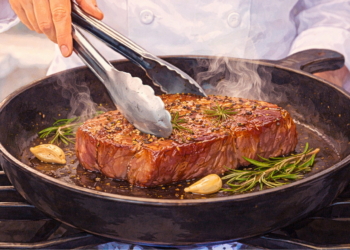
In Italian cooking, fat is never a neutral choice. The butter vs olive oil debate illustrates how whether a cook reaches for butter or olive oil depends on geography, tradition, and intention. Outside Italy, this choice is often reduced to health debates or personal preference. Inside Italy, the butter vs olive oil decision reflects regional identity and culinary logic.
Understanding why Italians choose butter in some dishes and olive oil in others reveals how thoughtfully Italian cooking approaches fat. Furthermore, exploring butter vs olive oil in various recipes highlights the importance of each fat in shaping flavour.
A Country Divided by Fat
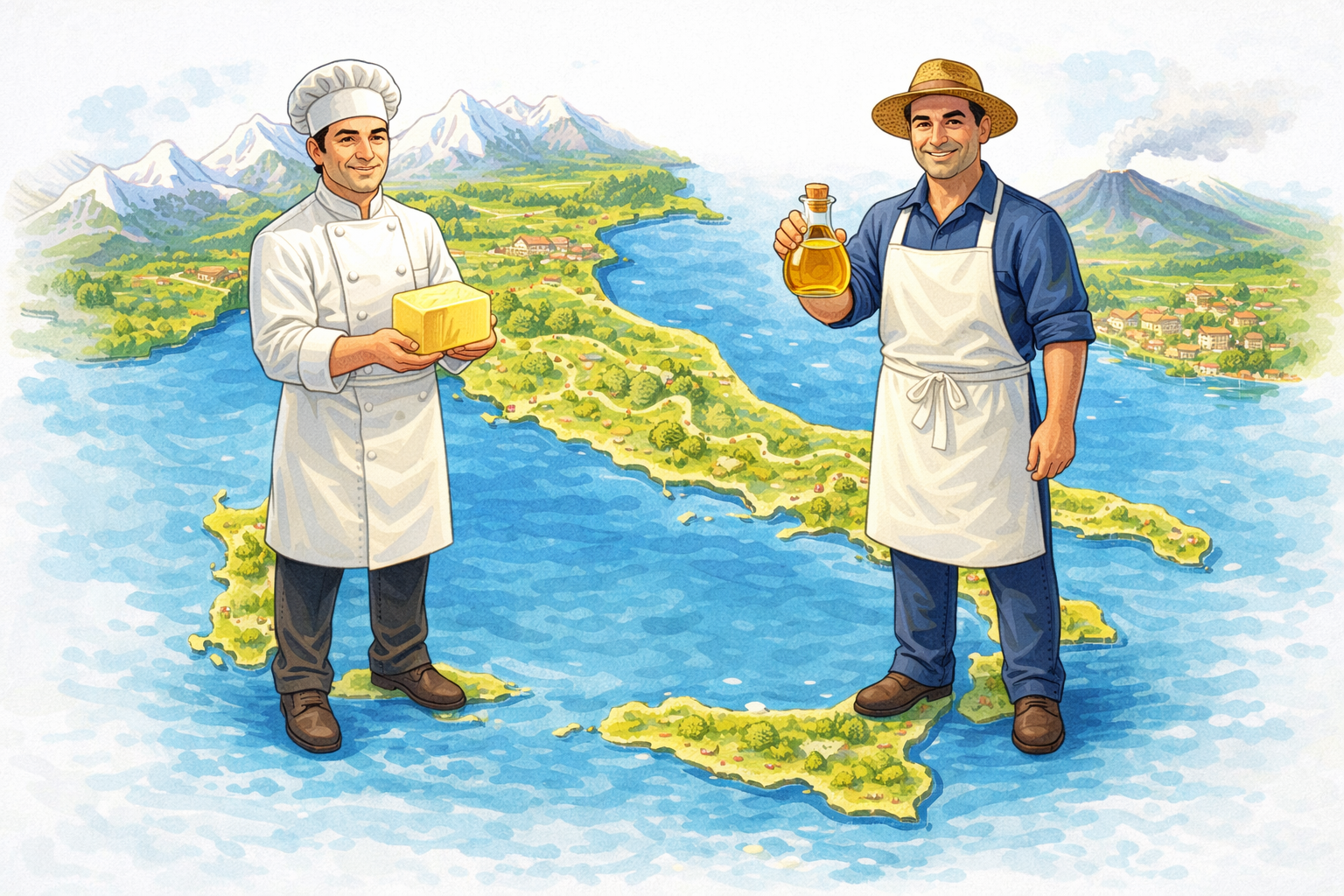
Italy’s use of butter versus olive oil follows geography. In the north, butter dominates. In the center and south, olive oil reigns.
Northern regions such as Lombardy, Piedmont, and Veneto developed dairy-rich cuisines because the climate favored cattle farming. Butter became abundant and practical. Meanwhile, central and southern Italy relied on olive trees, making olive oil the natural fat of choice.
This division is not ideological. It is agricultural.
Butter: Softness, Roundness, and Comfort
Butter brings richness and sweetness. It softens flavors and creates a rounded mouthfeel.
In northern Italian cooking, butter appears in risotto, polenta, and stuffed pastas. Dishes like risotto alla Milanese rely on butter to build creaminess and warmth. Butter melts smoothly, binding starch and liquid gently.
I noticed this difference when cooking risotto with olive oil instead of butter. The result felt sharper and leaner. Butter made the dish feel cohesive and comforting. Clearly, the butter vs olive oil comparison makes a significant difference in texture and flavour.
Butter supports dairy-based flavors. It pairs naturally with cheese, mushrooms, and grains.
Olive Oil: Structure, Aroma, and Clarity
Olive oil defines central and southern Italian cooking. It carries aroma, bitterness, and freshness.
Unlike butter, olive oil sharpens rather than softens. It highlights vegetables, legumes, seafood, and bitter greens. In pasta sauces, olive oil creates clarity instead of richness. The butter vs olive oil debate continues even in sauce choices.
Olive oil also performs better at higher temperatures. It supports sautéing and long cooking without losing structure. For this reason, Italian kitchens rely on olive oil for everyday cooking.
Function Matters More Than Preference
Italian cooks choose fat based on what the dish needs.
Butter rounds and enriches. Olive oil sharpens and lifts. Neither replaces the other without consequence.
For example, cacio e pepe relies on olive oil for structure and heat tolerance. A butter-based version would feel heavy. Conversely, butter suits risotto’s slow starch release.
This decision reflects technique, not dogma.
When Italians Use Both
Some dishes use both fats intentionally. Butter finishes a risotto, while olive oil starts the soffritto. Each fat plays a role.
I learned this while making vegetables. Olive oil provided structure during cooking. Butter added softness at the end. Together, they created balance. Ultimately, understanding butter vs olive oil helps you to layer flavour and texture effectively.
Italian cooking often blends fats subtly rather than choosing sides.
Why This Choice Teaches Better Cooking
Understanding butter versus olive oil teaches intention. Instead of asking which fat is better, Italian cooking asks which fat is right.
This shift improves decision-making. It also prevents overcomplication.
In Italy, fat is not about rules. It is about respect—for ingredients, region, and outcome. Once you understand that logic, the butter vs olive oil choice becomes a matter of thoughtful cooking as well as flavour. Cooking becomes clearer and more confident.