
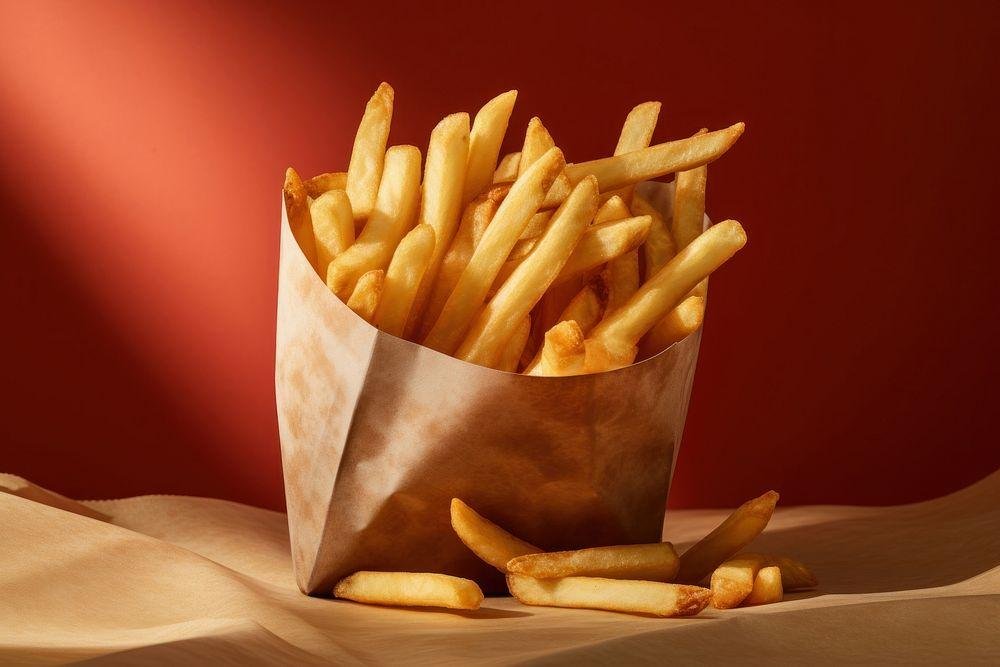
French fries might be the world’s most famous food with a misleading name.
They’re called French fries, yet Belgium has spent decades claiming them as its own. Some stories credit French street vendors, others point to Belgian fishing villages, and one popular explanation involves American soldiers during World War I. So, who actually invented French fries? And why do we call them French if their origins remain disputed?The answer takes us through European street markets, potato history, and a centuries-old culinary rivalry.
Are French Fries Really French?
Despite their name, French fries do not have a universally accepted birthplace. Both France and Belgium have strong connections to the development of fried potatoes. France has documented traditions of selling fried potatoes in Paris, while Belgium has developed a particularly rich culture around fries, known locally as frites. The disagreement comes down to an important distinction: the history of fried potatoes is not necessarily the same as the history of modern French fries. People have cooked potatoes in fat in different ways for centuries. Identifying the first person to cut potatoes into strips and fry them as we do today is much more difficult.
The Belgian Story: Were French Fries Invented in Belgium?
One of the most frequently repeated stories places the invention of French fries in Belgium’s Meuse Valley. According to this account, people living near the river traditionally fried small fish. When the river froze during winter, they supposedly cut potatoes into fish-like shapes and fried them instead. The story is often traced to the late seventeenth century.
It is a memorable explanation, but there is a problem. Food historians have questioned whether the evidence supports such an early date. The story is difficult to verify through contemporary documents, and potatoes were not yet established as an everyday food throughout the region at the time described.
This does not mean Belgium has no legitimate connection to French fries. Belgian fry culture is deeply established, and the country is famous for its dedicated fry shops, known as friteries or fritkots. However, the popular frozen-river story should be treated as a traditional account rather than a proven historical fact.
The French Connection: Fried Potatoes in Paris
France also has an important place in the history of French fries. By the nineteenth century, fried potatoes were associated with Parisian street food. Vendors sold hot potato preparations to people walking through busy public spaces. The Pont Neuf area in Paris is frequently mentioned in historical accounts of fried potato vendors. French culinary traditions also included pommes de terre frites, meaning fried potatoes. These preparations were not necessarily identical to the thin, uniform fries served by modern fast-food restaurants. Potato shapes, cooking methods, and serving styles changed over time. Still, the documented presence of fried potatoes in French cooking makes the French connection more substantial than the name alone might suggest.
Why Are They Called French Fries?
The simplest explanation is that the English-language name became associated with French-style fried potatoes. In English, the expression French fried potatoes appeared before the shorter term French fries became widespread. The word French may have described a cooking style or reflected the association of fried potatoes with French cuisine. There is also a popular claim that American soldiers encountered fries in Belgium during World War I and called them French fries because French was spoken in the region. Although this story is repeated widely, it cannot explain the original name. The term French fried potatoeswas already in use before World War I. American soldiers may have helped popularize the food, but the name was not invented during that conflict. The exact linguistic path by which French fried potatoes became French fries is less certain than many internet explanations suggest.
Thomas Jefferson and the Early American History of French Fries
One surprising chapter in the story involves Thomas Jefferson, the third president of the United States. Jefferson developed an interest in French cooking while serving as an American diplomat in France during the eighteenth century. His household’s culinary records included a preparation described as potatoes fried in small pieces. This is frequently cited as an early American reference to a dish resembling French fries. However, Jefferson did not invent French fries, and the recipe does not prove that the modern version originated in France.What it does show is that French-influenced fried potato preparations had entered elite American culinary circles long before fast-food restaurants existed.
How French Fries Became a Global Favourite
French fries gradually moved from European cooking traditions into restaurants, cafés, and popular street food. Their international success accelerated during the twentieth century. Several developments helped make this possible.
1. The Rise of Fast-Food Restaurants
Fast-food restaurants made French fries a standard companion to hamburgers and sandwiches. Their convenient size, relatively simple ingredients, and familiar taste helped them become one of the most recognizable side dishes in the world.
2. Frozen French Fries
Commercial frozen fries transformed restaurant kitchens. Instead of peeling and cutting potatoes for every batch, restaurants could purchase prepared potatoes and cook them quickly. This made it easier to deliver consistent portions and manage large numbers of orders.
3. Industrial Potato Processing
Specialized potato varieties, cutting equipment, blanching, freezing, and controlled frying methods helped create a more standardized product. These developments also influenced the texture people now expect from French fries.
4. Global Adaptation
As fries spread internationally, different countries developed their own serving traditions. In Belgium, fries are commonly served with mayonnaise and other sauces. In Canada, fries form the foundation of poutine, a dish topped with cheese curds and gravy. In Britain, thicker-cut chips are closely associated with fish and chips. In India, French fries are frequently served with spicy seasonings, ketchup, and other flavourful toppings. The potato may be the same basic ingredient, but local food cultures have transformed how it is enjoyed.
Why Are Belgian Fries So Famous?
Belgian fries are especially celebrated for their texture. A traditional Belgian approach often involves frying potatoes twice. During the first frying stage, the potato cooks through and begins developing its internal texture. After a resting period, a second frying stage at a higher temperature helps create a crisp exterior. The result is a contrast between a golden, crunchy surface and a soft interior. Belgian fries are also associated with a strong street-food culture, where freshly fried potatoes are served in paper cones or containers with a selection of sauces. Double-frying is not exclusive to Belgium, but it remains an important part of the country’s fry-making tradition.
The Science Behind Crispy French Fries
French fries are more than a historical curiosity. Their texture is also a fascinating example of food science. Potatoes contain large amounts of water and starch. When potatoes enter hot oil, heat moves into the food and moisture begins escaping from the surface. As the outer layers lose water, they can become crisp. Meanwhile, the starch inside the potato absorbs moisture and gelatinizes as it heats, helping create a soft interior. Browning reactions, including the Maillard reaction, contribute to the golden colour and complex roasted flavours.
Several factors affect the final result:
- Potato variety: Starch and moisture levels influence texture.
- Cutting thickness: Thin fries cook differently from thick-cut chips.
- Oil temperature: Temperature affects moisture loss, browning, and cooking time.
- Surface moisture: Excess water can interfere with crisping.
- Frying method: Multiple frying stages can improve the contrast between the interior and exterior.
This is why two servings of French fries made from the same basic ingredients can taste remarkably different.
French Fries vs. Chips: What’s the Difference?
The terminology changes depending on where you are. In the United States, French fries generally refers to strips of deep-fried potatoes, while chips usually means thin, crispy potato slices sold as snacks. In the United Kingdom, chips commonly refers to thicker pieces of fried potato served hot, particularly with fish. The British term crisps refers to what Americans usually call potato chips. In Belgium and France, frites is a familiar term for fried potato pieces.
These differences show how a globally popular food can develop different names and identities across cultures.
Frequently Asked Questions
Who invented French fries?
There is no universally accepted inventor of French fries. France and Belgium both have important historical connections to fried potatoes, but the precise origin of modern French fries remains disputed.
Why are French fries called French fries if they are Belgian?
The English-language name developed through associations with French-style fried potatoes. Belgium’s strong fry tradition does not establish exactly where the English name originated.
Did American soldiers invent the name French fries?
No. The expression French fried potatoes existed before World War I, so the popular soldiers-in-Belgium explanation cannot account for its original appearance.
Are French fries originally from France or Belgium?
Both countries have historical claims. French fried-potato preparations are documented in culinary history, while Belgium is renowned for its fry culture. The available evidence does not establish one definitive birthplace for the modern dish.
Why are French fries fried twice?
Double-frying helps cook the potato interior and develop a crisp exterior. The resting and second-frying stages allow cooks to manage texture and browning more effectively.
So, Are French Fries French or Belgian?
French fries belong to a history shared by several countries.
France contributed documented fried-potato traditions and culinary terminology. Belgium developed an enduring culture around freshly cooked frites. Later, American restaurants and industrial food production helped turn fries into an international favourite.
The question of who invented them remains open, but one thing is clear: French fries became famous because generations of cooks continued improving a simple combination of potatoes, fat, heat, and salt.
And perhaps that is the most interesting part of their history. A food that now appears on menus around the world still has a surprisingly uncertain beginning.
Sources and Further Reading
For historical context and additional research:
- Encyclopaedia Britannica: French fries, for an overview of the food and its disputed origins.
- Smithsonian Magazine: Food-history coverage of Thomas Jefferson and early American culinary traditions.
- Pierre Leclercq: Historical research into Belgian fries and the traditional Meuse Valley origin story.
- Oxford English Dictionary: Historical usage of the terms French fried and French fries.
- Harold McGee, On Food and Cooking: Food science related to potatoes, starch, and frying.
Editorial note: The origins of French fries are contested. Traditional stories have been identified as such rather than presented as established historical facts.


