
What Does Terroir Really Mean?
The word terroir comes from the French terre, meaning “land.” But in French cooking, terroir means far more than soil. It describes the entire natural environment behind a food or wine — climate, landscape, soil composition, water, altitude, and even the human traditions layered on top of them over centuries.
Terroir is the reason a Sauvignon Blanc grape grown in the Loire Valley tastes crisp and flinty, while the same grape grown in Bordeaux takes on a rounder, riper character. It’s why a wheel of Camembert made in Normandy has a grassy, buttery depth that a similar soft cheese made in another region simply can’t replicate. In French cuisine, flavour doesn’t start in the kitchen — it starts with geography.
Rather than forcing ingredients into a predetermined taste, French cooking listens to what the land naturally offers. The result is food that feels rooted, honest, and inseparable from the place it came from.
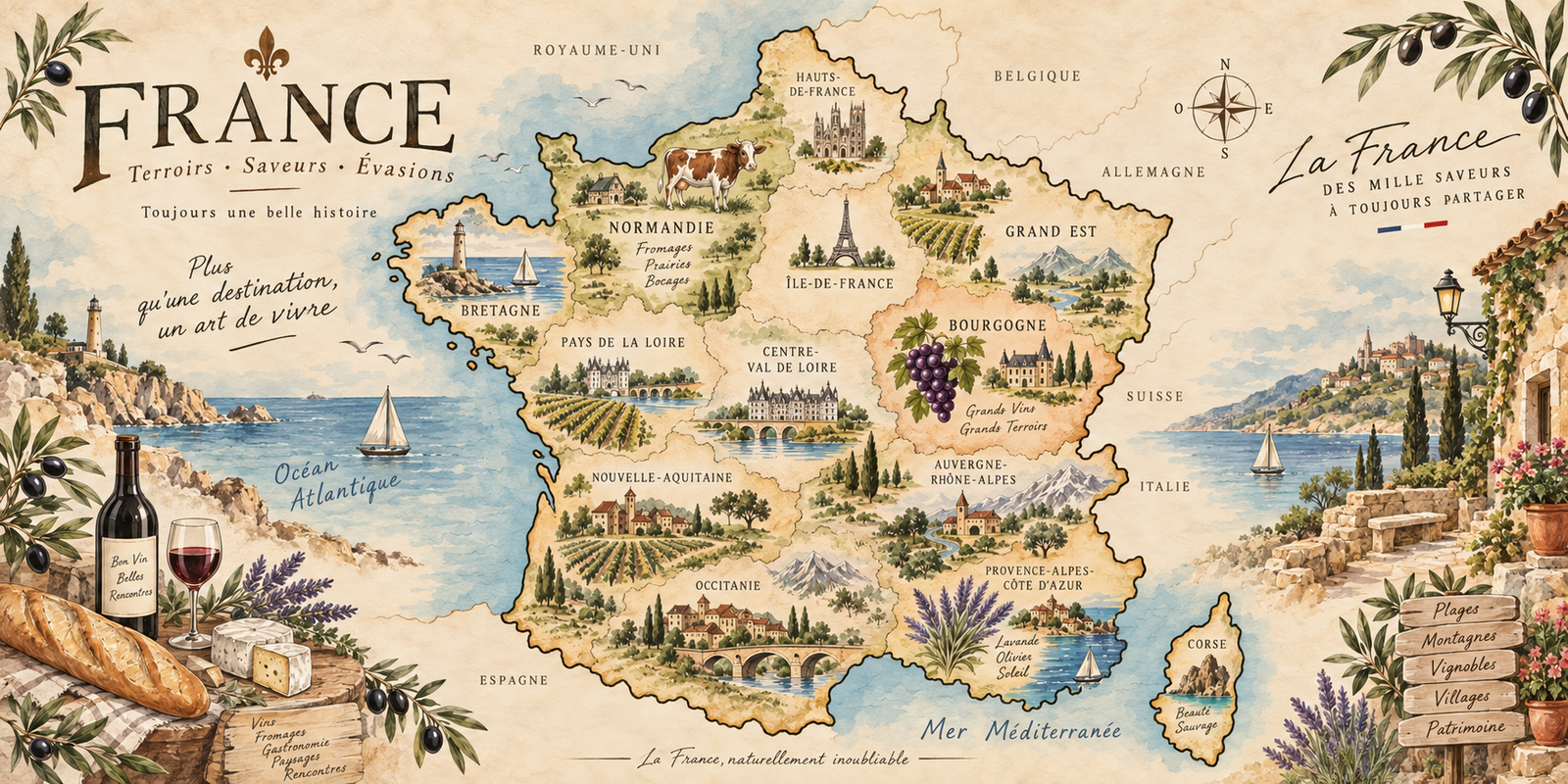
[Image suggestion: a rustic map-style illustration of France with regional icons — grapes in Burgundy, lavender in Provence, a cow in Normandy]
Climate and Landscape: Nature as the First Chef
France’s geography is remarkably varied for a country its size — windswept Atlantic coastline, sun-drenched Mediterranean shores, alpine peaks, and fertile river valleys all within a day’s drive of one another. Each of these environments quietly writes its own recipe.
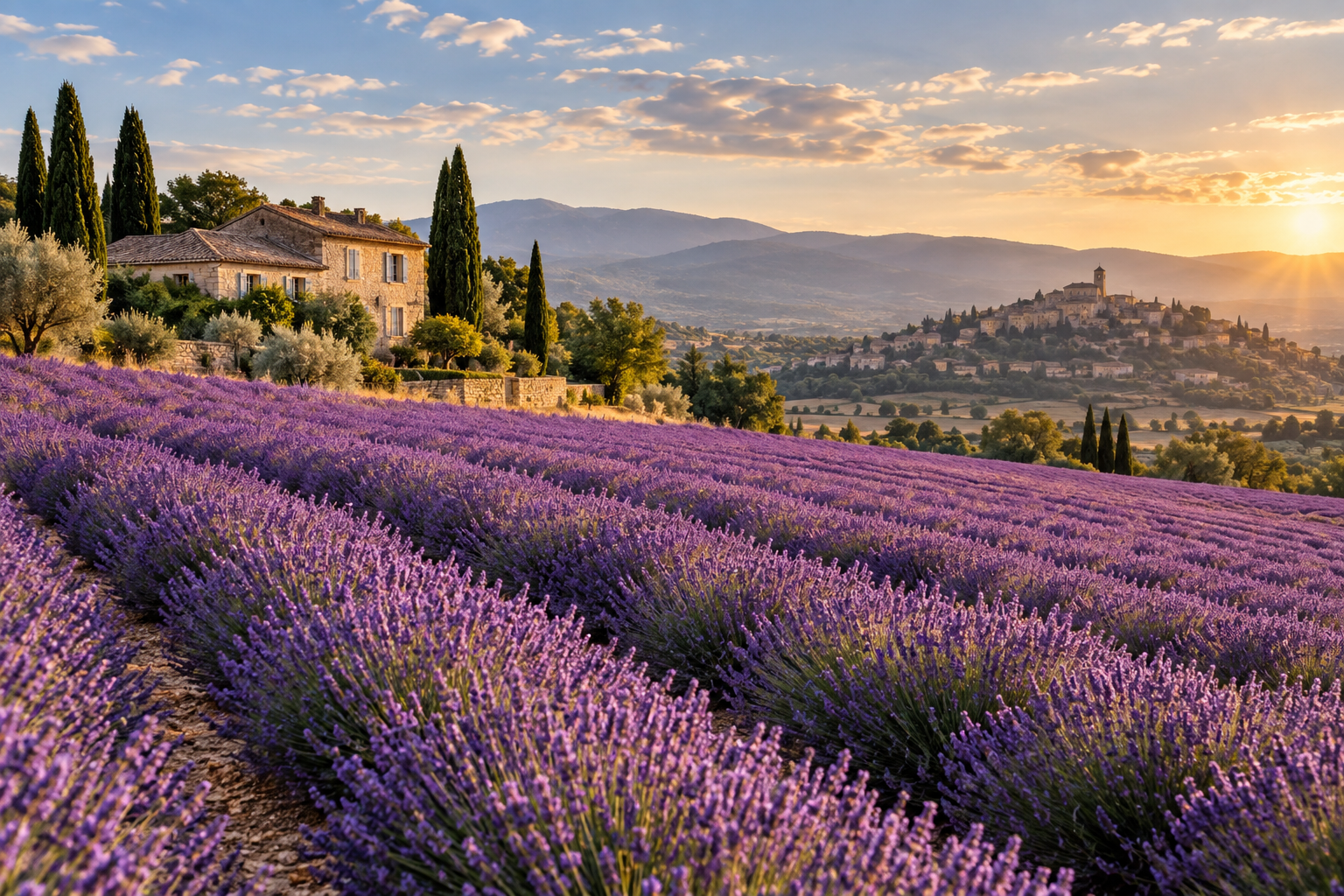
In Provence, long hours of sunshine and dry, aromatic air are perfect for herbs like thyme, rosemary, and lavender — the backbone of herbes de Provence. The same sun ripens olives into deeply fruity oils that define the region’s cooking, from tapenade to ratatouille.
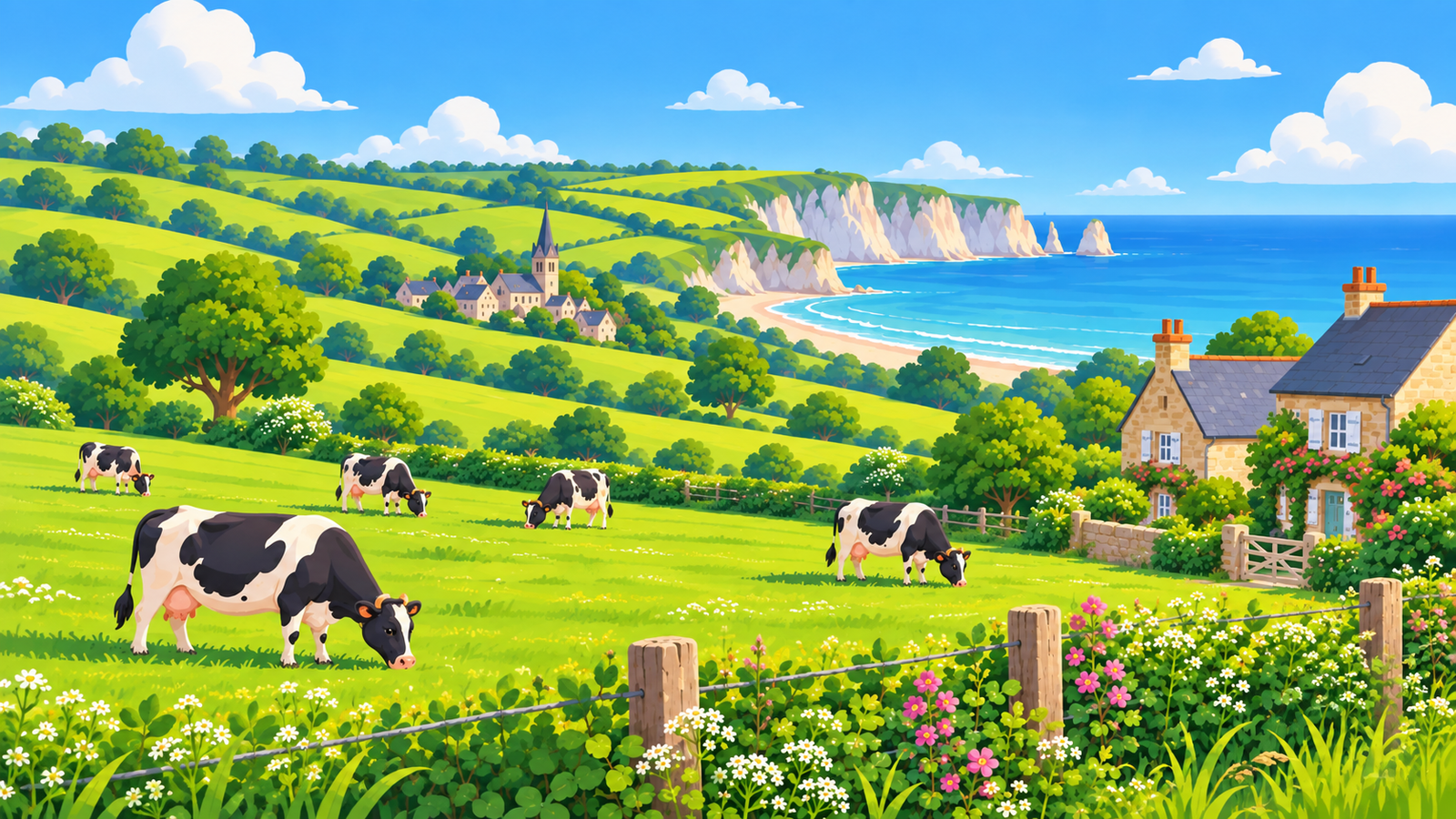
Travel north to Normandy, and the climate flips entirely. Cool, damp weather and lush green pastures make it one of the best dairy regions in Europe. Cows graze on rich grass nearly year-round, producing the cream and butter that give Norman cooking its signature richness — and cheeses like Camembert and Pont-l’Évêque their distinctive character.
Further inland, the Alps shape an entirely different food culture. Hardy mountain cattle produce milk suited to firm, nutty cheeses like Beaufort and Comté, aged in cool cellars to develop complexity. Meanwhile, coastal Brittany, battered by Atlantic winds and tides, is famous for briny oysters, sweet scallops, and salted butter — its cold, mineral-rich waters practically seasoning the seafood before it’s even cooked.
[Image: Provence lavender fields vs. Normandy pastures]
Regional Identity on the Plate
Terroir doesn’t stop at raw ingredients — it shapes entire cooking traditions. For centuries, French communities cooked with whatever their land provided, and those habits calcified into regional identity.
In Burgundy, rolling vineyards dominate the landscape, so it’s no surprise that wine became a cooking ingredient, not just a beverage. Boeuf Bourguignon — beef slow-braised in local red wine with mushrooms and pearl onions — is a direct product of a wine-growing terroir. The same logic applies to Coq au Vin.
In the Southwest, around Gascony and the Dordogne, duck farms and maize fields dominate. This gave rise to confit de canard (duck leg slow-cooked in its own fat) and foie gras, both built around what the land could sustainably produce in abundance.
Along the Mediterranean coast, Provençal and Niçoise cooking leans on olive oil, tomatoes, garlic, and fresh seafood — light, sun-forward dishes that mirror the climate itself. Compare that to hearty Alsatian cooking near the German border, built around pork, cabbage, and beer, shaped by a colder climate and different cultural influences.
When you eat a genuinely regional French dish, you’re tasting the intersection of soil, weather, and generations of people adapting to both.
[Image suggestion: a plated dish of Boeuf Bourguignon or Coq au Vin]
Terroir and French Cheese
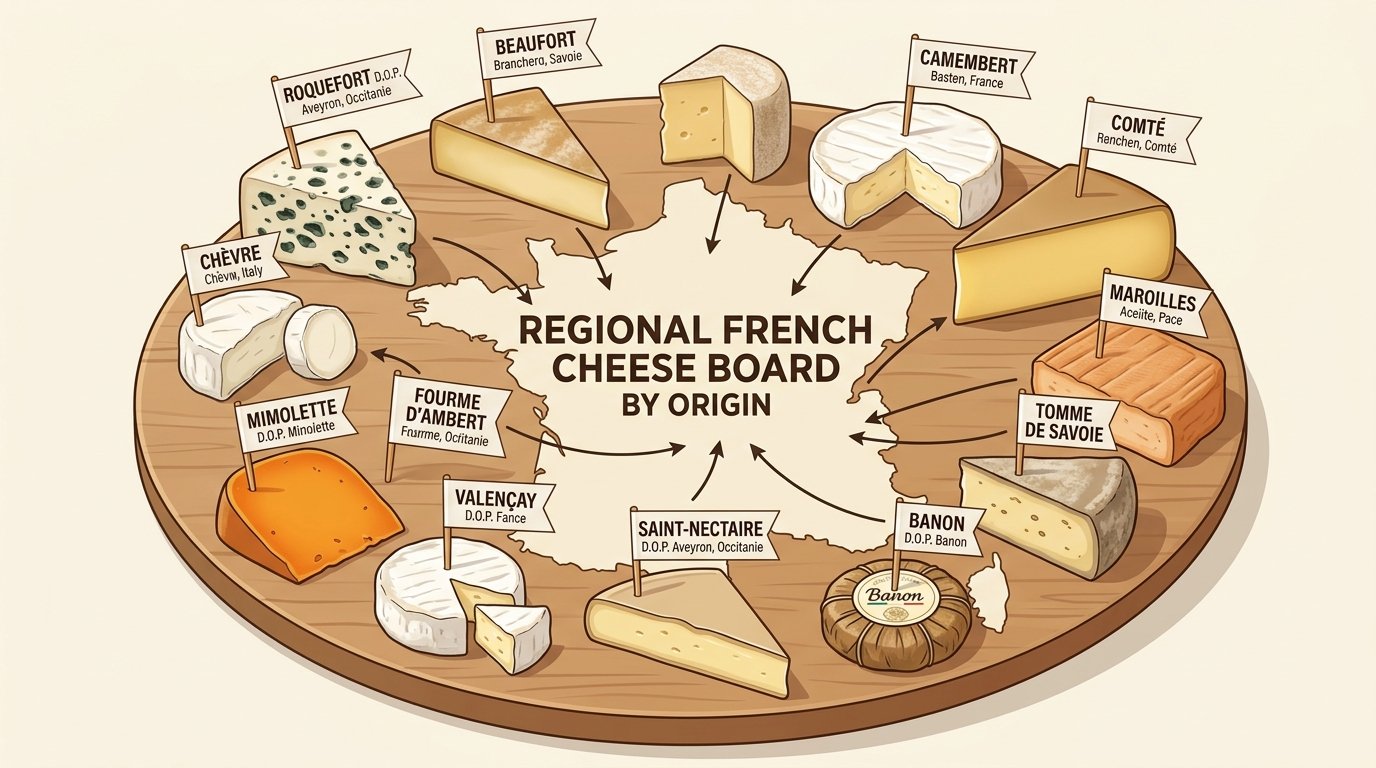
Cheese may be the clearest, most tangible expression of terroir in French food. France produces well over a thousand varieties, and many carry protected origin labels — AOP (Appellation d’Origine Protégée) — that legally tie a cheese to a specific place and method.
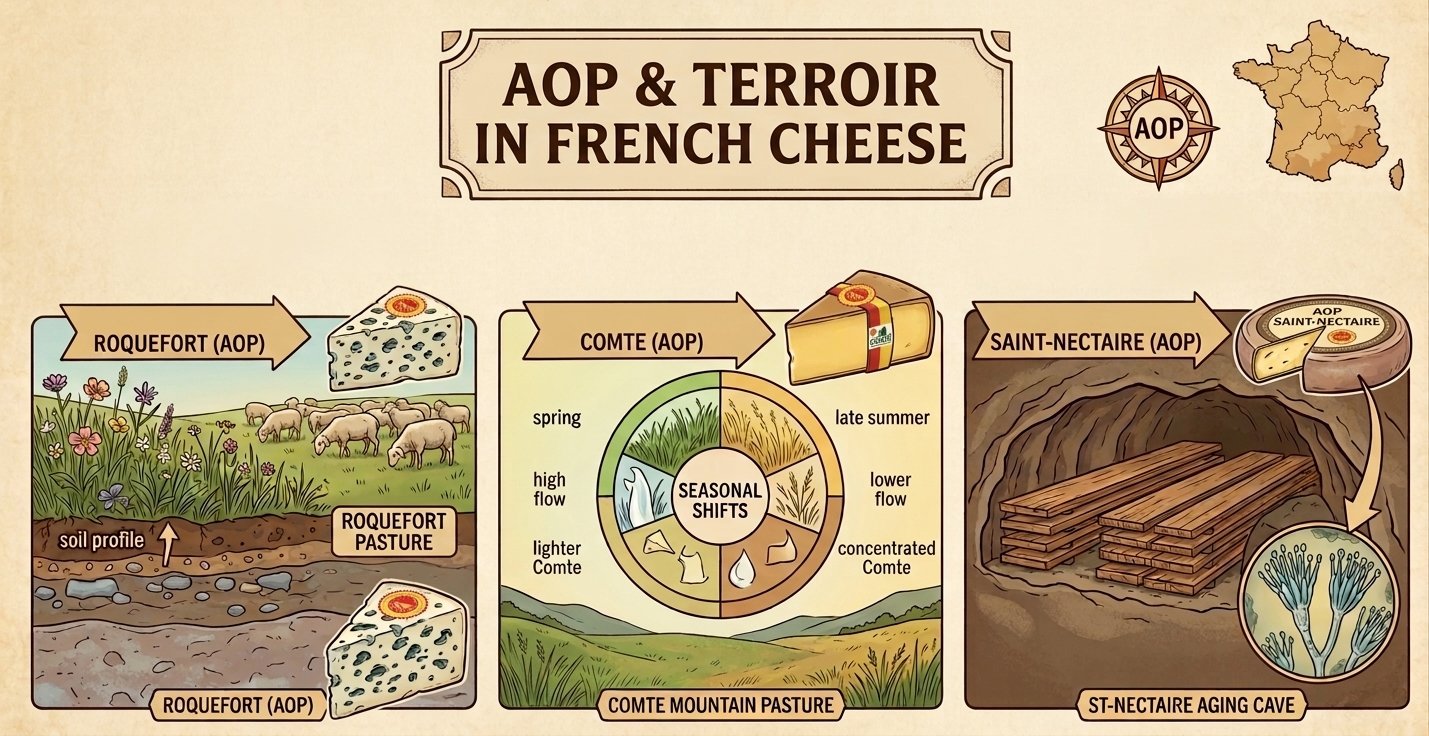
These labels aren’t just bureaucratic stamps. They guarantee that a cheese was made from milk produced in a defined region, often from animals grazing on specific pasture. The grass a cow or goat eats changes the flavor of its milk. Seasonal shifts alter the fat content and aroma. Even the caves where a cheese ages — their humidity, airflow, and native mold cultures — become active ingredients in the final product.
Roquefort is a perfect example: it can only be aged in the natural limestone caves of Combalou, near the village of Roquefort-sur-Soulzon. Airflow through cracks in the rock carries the specific strain of Penicillium roqueforti that gives the cheese its blue veining and sharp, tangy flavor. Move the same recipe to a different cave, and you get a different cheese entirely — the environment truly is part of the recipe.
[Image: A cheese board with regional French cheeses labeled by origin]
Wine: The Classic Expression of Terroir
If cheese is the edible proof of terroir, wine is its most celebrated ambassador. French winemakers have long believed that soil composition, altitude, drainage, rainfall, and sun exposure all leave a fingerprint on a wine’s character — sometimes down to a single vineyard.
Two plots planted with the exact same grape variety, sometimes just meters apart, can produce noticeably different wines. Limestone-heavy soils, common in parts of Burgundy and Champagne, tend to produce wines with elegance, minerality, and precision. Clay-rich soils, by contrast, often yield wines with more body, weight, and ripe fruit character.
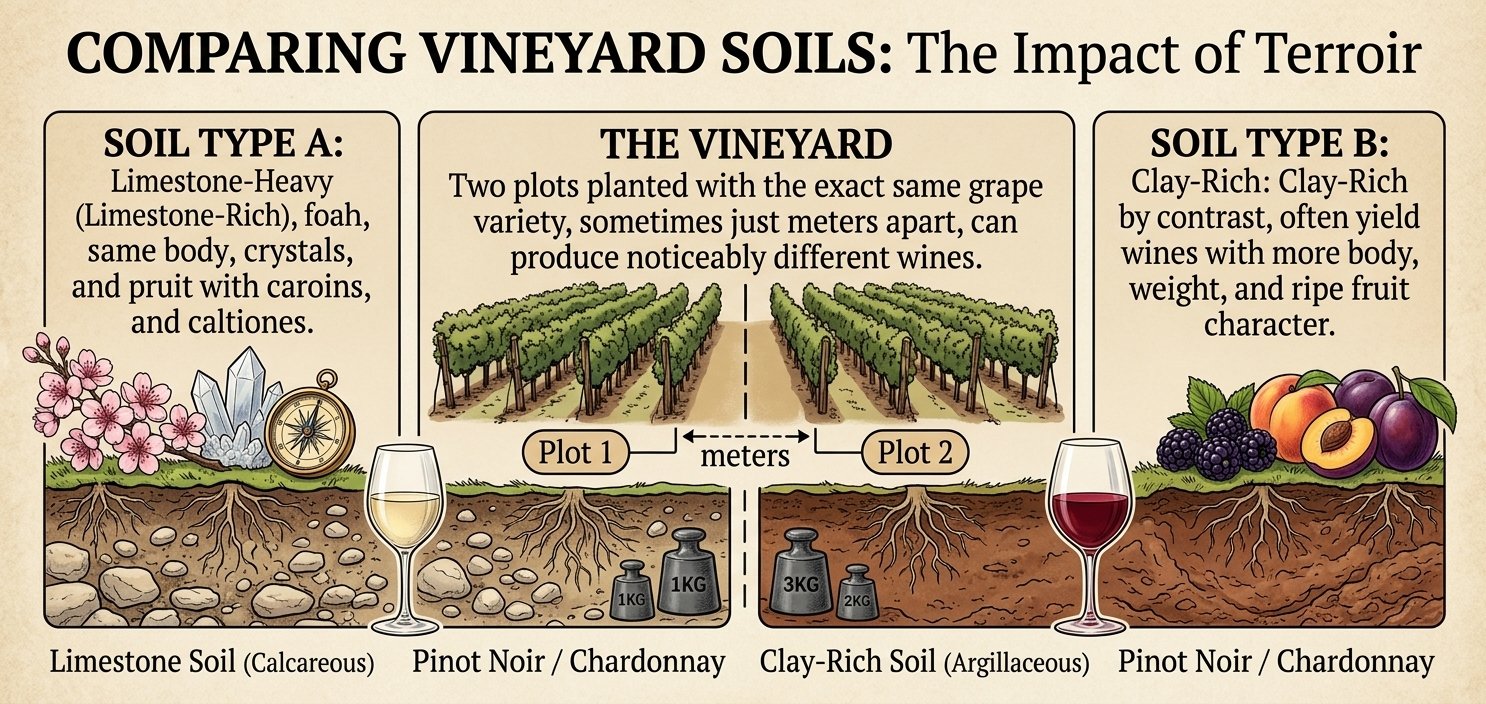
This isn’t abstract theory — it’s the foundation of France’s entire wine classification system, from village-level appellations up to Grand Cru vineyards, where price and prestige are tied directly to a specific patch of earth. It also shapes how French meals are built: a dish and its regional wine aren’t paired as an afterthought, they often evolve together, reinforcing the same terroir on the plate and in the glass.
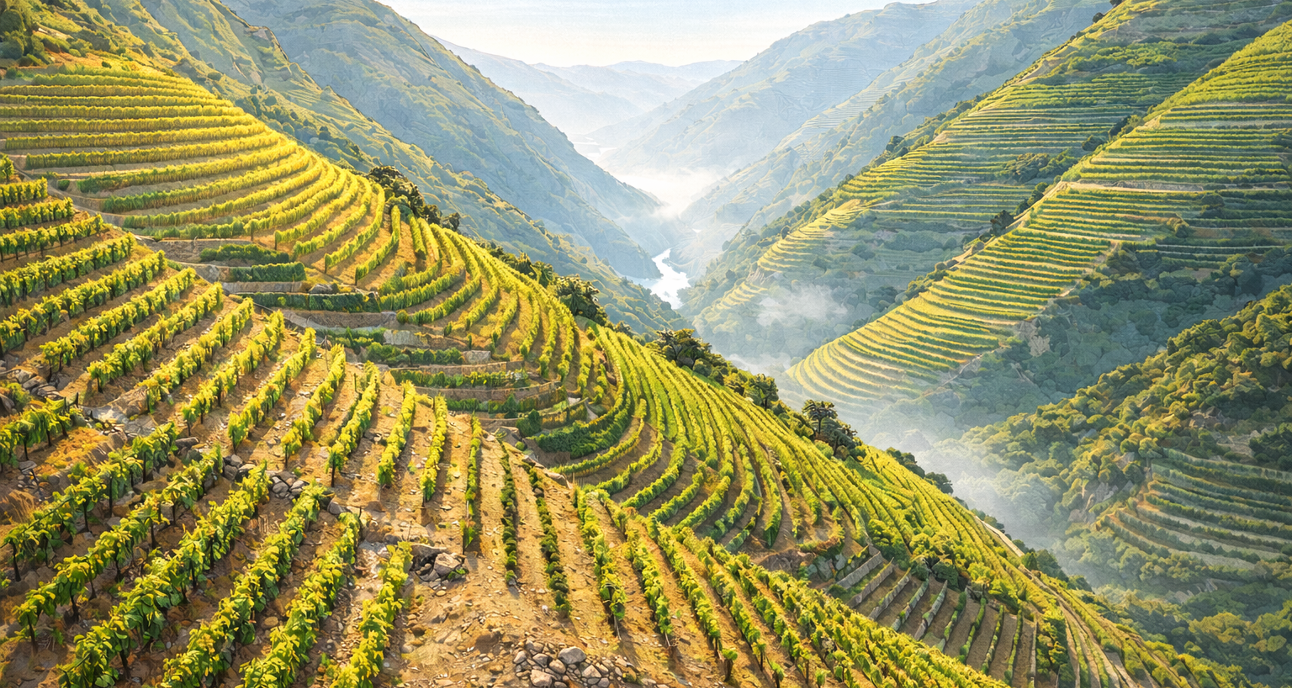
[Image suggestion: a vineyard landscape shot, ideally showing visible soil texture]
Why Terroir Still Matters Today
In an era of global supply chains and produce available year-round regardless of season, terroir is a quiet act of resistance. It insists that place still matters — that a tomato in August tastes different from one flown in during January, and that this difference is worth preserving.
French chefs frequently build menus around what is freshest and most authentic to their region that week, not what’s simply available. Modern farm-to-table movements around the world, whether they know it or not, are echoing this centuries-old French principle. By celebrating terroir, cooks help preserve biodiversity, support smaller local farms, and safeguard culinary traditions that could otherwise disappear.
Terroir, in the end, isn’t just a wine term or a cheese label. It’s a way of thinking about food itself — one that honors the land, respects tradition, and lets flavor tell the story of a specific place.
When you taste a true regional French dish, you’re not simply eating a recipe. You’re tasting a landscape.


