Preservation as Culture, Not Convenience
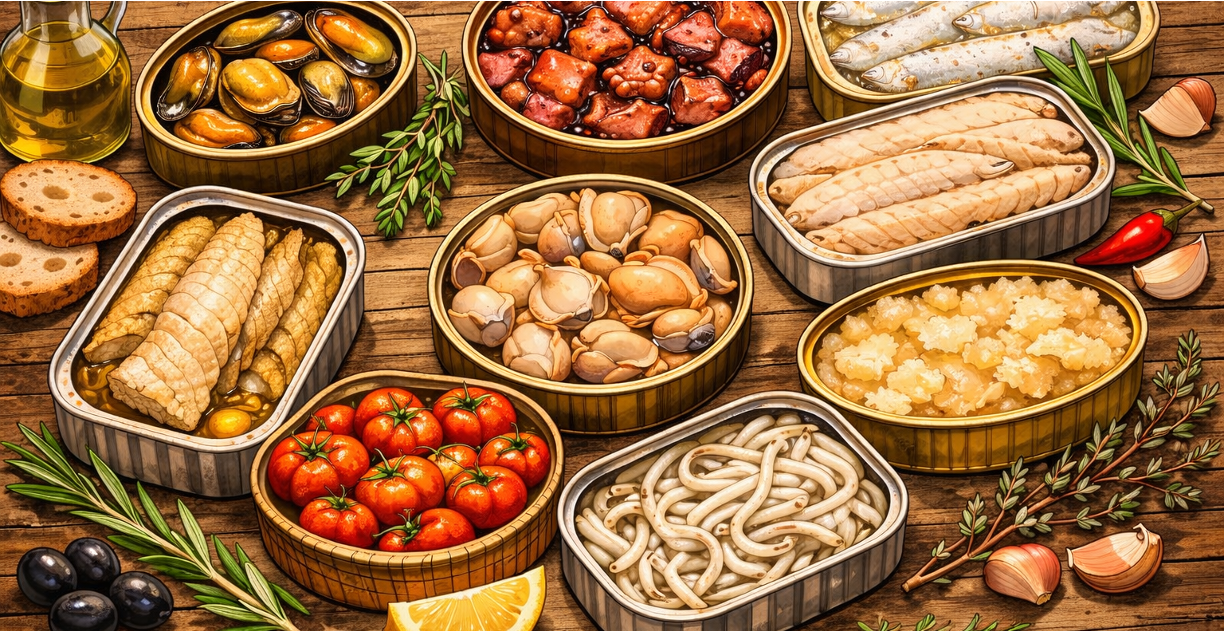
Long before refrigeration, Spanish cooks perfected the art of keeping the sea alive beyond the day’s catch. Conservas — seafood preserved in oil, escabeche, or lightly cooked and sealed — were not born of thrift alone, but of taste. What began as a practical necessity for fishermen, sailors, and inland communities gradually became one of Spain’s most refined gastronomic traditions.
In ports like Galicia, the Basque Country, Cantabria, and Cádiz, canneries grew alongside fishing fleets. Families built livelihoods around small workshops that cleaned, cooked, packed, and sealed fish by hand. Over time, these conservas stopped being merely “stored food” and became a point of pride — an edible record of place, season, and skill.
The Role of the Sea and Season
Spanish conservas are inseparable from the rhythms of the Atlantic and Mediterranean. Sardines are best in summer when they are plump with fat; bonito and tuna are prized in late summer and early autumn; anchovies from the Cantabrian Sea are cured in salt before being packed in olive oil.
Unlike industrial canning elsewhere, Spanish producers often insist on minimal processing. Fish is cooked once — gently — then packed with high-quality olive oil, sometimes garlic, bay, or pimentón. The aim is not to mask flavour but to stabilise and deepen it. The can becomes a tiny aging vessel where texture softens and flavour mellows over months.
From Pantry Staple to Gourmet Treasure
For decades, conservas were everyday food: quick lunches, worksite meals, picnic supplies, or tapas with bread and wine. A tin of sardines, a wedge of Manchego, and a crusty pan gallego could feed a family with grace and simplicity.
In recent years, conservas have undergone a renaissance. Boutique brands such as La Brujula, Ramón Peña, and Angelachu have elevated packaging, storytelling, and sourcing. High-end restaurants now serve conservas deliberately — not as rustic filler, but as a celebration of craftsmanship.
The tin is opened tableside; oil is spooned onto bread; fish is treated like charcuterie of the sea.
Technique: What Makes Conservas Special
Three elements define great conservas:
- Quality of the catch — fish must be fresh, seasonal, and handled quickly.
- Cooking control — usually poached or lightly fried before packing.
- Oil and seasoning — Spanish extra virgin olive oil is essential; cheap oil flattens flavour.
Common styles include:
- En aceite de oliva — clean, rich, silky.
- En escabeche — fish marinated in vinegar, garlic, and pimentón; bright and tangy.
- En salsa gallega — tomato, paprika, and onion-based.
How Spaniards Actually Eat Conservas
Conservas are rarely “cooked” further. Instead, they are dressed simply:
- On toasted bread with tomato and salt.
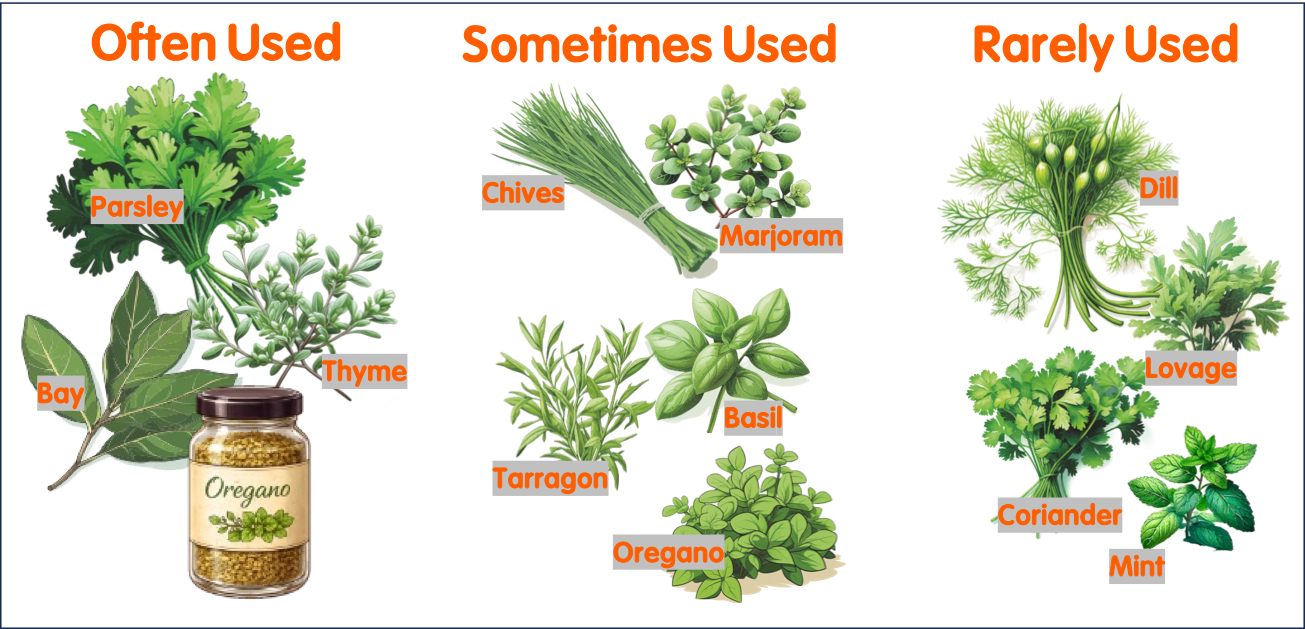
- With chopped onion, parsley, and lemon.
- Mixed into ensaladilla rusa.
- Served alongside piquillo peppers or roasted vegetables.
The ritual is as important as the food: slow opening, careful plating, shared bites, and wine.
A Quiet Sustainability Lesson
Conservas also carries an environmental story. Smaller fish, such as sardines and mackerel, tend to have a lower ecological impact than large predators, such as tuna. Traditional canneries often use whole fish and minimise waste, honouring the catch rather than discarding it.
A Simple Conservas Plate (no-cook “recipe”)
Serves 2
- 1 tin good sardines in olive oil
- 2 thick slices of toasted sourdough
- ½ small red onion, finely sliced
- Lemon zest and a few drops of juice
- Chopped parsley
- Flaky sea salt
- Extra drizzle of olive oil
Open the tin gently. Place sardines on toast. Scatter onion, parsley, zest, and salt. Finish with a squeeze of lemon and more oil. Eat slowly, with sherry or Albariño.