
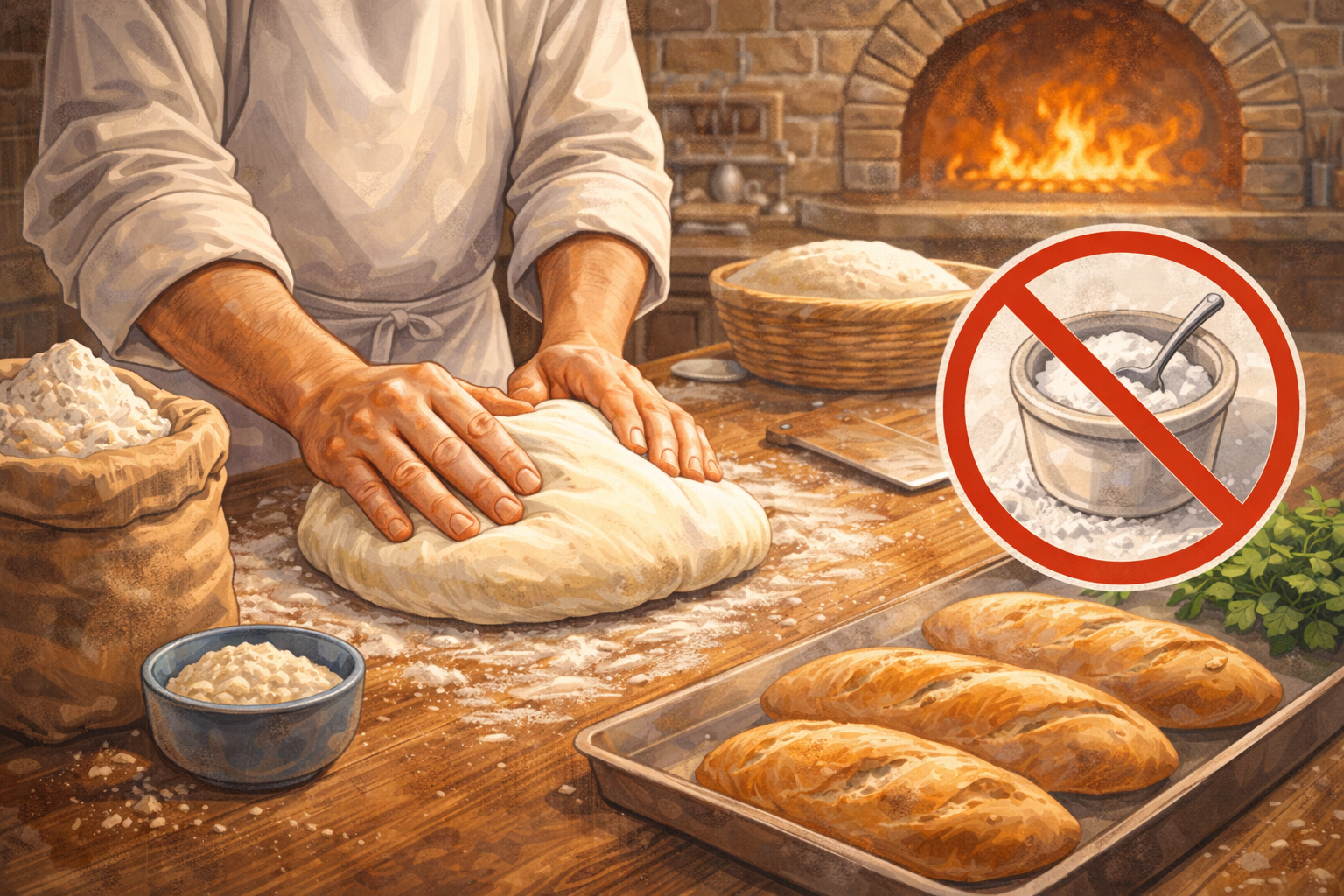
Why Italian Bread Is Often Unsalted in Traditional Baking
Many people are surprised the first time they taste Italian bread. Instead of being salty, it often tastes plain, wheaty, or slightly sweet. This is not a mistake. There is a long cultural and culinary explanation behind this tradition, especially in central Italy. Unsalted Italian bread is designed to support the rest of the meal rather than compete with it.
Once this idea is understood, the bread feels purposeful instead of unfinished.
The History of Unsalted Italian Bread
The origins of this tradition go back to the Middle Ages. In parts of Italy, especially Tuscany, salt was heavily taxed and difficult to obtain. Bakers adapted by removing salt from bread entirely. Over time, unsalted Italian bread became a normal part of daily life rather than a temporary solution.
Even when salt became affordable again, the habit remained. What began as necessity slowly transformed into regional identity and culinary pride.
Regional Food Culture and Bread Traditions
Italian cuisine is deeply regional, and bread reflects this diversity. In northern Italy, bread is usually salted. In central regions, unsalted Italian bread is expected. This difference exists because of the foods eaten alongside it.
Meals in these areas often include salty cheeses, cured meats, olives, and rich sauces. A neutral bread prevents the meal from becoming overwhelming and keeps flavors balanced.
How Plain Bread Balances Salty Dishes
Salt enhances flavor, but too much can dull the palate. Unsalted Italian bread softens the intensity of salty ingredients and creates contrast. Prosciutto tastes more nuanced, cheeses feel less sharp, and sauces seem more layered.
This balance is especially noticeable in Tuscan meals, where bread quietly supports every dish without drawing attention to itself.
Flavor and Texture Without Added Salt
Without salt, the natural flavor of wheat becomes more noticeable. Unsalted Italian bread often tastes gently sweet and earthy, with a clean finish. The texture also becomes more apparent, from the chewy crumb to the crisp crust.
Rather than being bland, the bread acts as a neutral base that highlights everything served with it.
Cooking With Bread in Italian Cuisine
Italian cooking frequently uses bread as an ingredient, not just as something on the side. Dishes like panzanella, ribollita, and pappa al pomodoro rely on unsalted Italian bread to absorb liquid and seasoning effectively.
Because the bread contains no salt, it takes on flavor beautifully and helps create balanced, comforting dishes.
Why This Tradition Still Matters Today
Today, unsalted Italian bread is baked by choice, not necessity. Italians grow up with it, so the taste feels familiar and comforting. When paired with the right foods, it makes perfect sense.
Visitors may find it unusual at first, but with proper pairings, its role becomes clear.
What This Bread Teaches About Italian Cooking
Italian cuisine values balance, restraint, and respect for ingredients. Unsalted Italian bread reflects this philosophy perfectly. It shows that good cooking is not about adding more seasoning, but about letting ingredients work together in harmony.
Understanding this tradition offers a deeper appreciation of Italian food culture as a whole.


